

How to Start a Coffee Shop Business in the Philippines: Ultimate Guide for Aspiring Coffee Shop Owners
Last updated: September 2026
The coffee shop business in the Philippines is one of the most in-demand businesses an aspiring entrepreneur can start today. In 2020 there were 2,752 coffee shops in the country. Since then the market has exploded: the top five major brands alone now operate over 2,100 outlets, and the total number of registered cafes nationwide is estimated to have doubled as of 2026.
We are a country of coffee lovers. Nine out of 10 Filipino households consume coffee regularly, making the Philippines the leading coffee consumer in Southeast Asia. Total consumption has reached around 7 million 60-kilogram bags a year, up from 3.3 million bags just a few years ago.
In this guide, we cover why people start a coffee shop, the eight steps to open one in the Philippines, what it costs, franchise vs. your own brand, the permits you need, and the success factors and challenges most guides skip.
Quick Answer: How to Start a Coffee Shop in the Philippines
- Set your budget and pick a model (home-based, cart/kiosk, small cafe, or franchise).
- Decide between a franchise and your own brand.
- Register with DTI or SEC, then secure your barangay clearance, Mayor's permit, and BIR registration.
- Learn cafe management: hiring, inventory, and bookkeeping.
- Choose a high-foot-traffic location and buy the right equipment.
- Pick your concept and design.
- Plan your sales targets and marketing.
- Set up operations and customer service, then open.
Capital: from about ₱10,000 for a home-based coffee business, to ₱50,000-₱300,000 for a cart or kiosk, to around ₱1,250,000 for a small cafe, plus roughly ₱155,000 a month to operate.
In This Article
- Why start a coffee shop business?
- Step 1: Decide on a budget
- Step 2: Franchise or start your own brand?
- Types of coffee shop businesses
- Step 3: Business permits and legal requirements
- Step 4: Learn cafe management
- Step 5: Choose a location and equipment
- Step 6: Pick your aesthetic and concept
- Step 7: Understand sales and marketing
- Step 8: Cafe operations and customer service
- Per-cup costing and break-even math
- Success factors and challenges
- Common mistakes and why cafes fail
- Frequently asked questions
Why Start a Coffee Shop Business?
Like any business, you start by defining your purpose. Once you know your why, the nitty-gritty of starting a business becomes much easier to learn.
We surveyed aspiring coffee entrepreneurs and franchisees on why they wanted to start. Their answers came down to these reasons:
- Be an entrepreneur — lead a team, make the important calls, and leave a legacy through the business.
- Add another income stream — many owners keep their full-time corporate job and have a team run day-to-day operations.
- Positively impact others — giving people jobs is one of the most meaningful parts of owning a business.
- Unleash your creativity — former baristas especially want a menu of their own, built on their own taste.
- Turn a dream into reality — you've tasted great coffee, heard the success stories, and want one of your own.
- Be part of coffee culture — suppliers, roasters, retailers, and baristas meet at conventions and seminars to share best practices and trends.
- Flexibility for your family — once systems and processes are in place, you can grow the cafe and still have time for your loved ones.
Identify your own reason and let it be your source of courage as you grow. Now, the steps.
Step 1: Decide on a Budget
The first capital in any business is financial capital. Knowing your numbers lets you prepare for every expense you'll incur before opening day.
Start this conversation with yourself if you're going solo — or with your spouse first if you have a family. How much are you willing to invest? Set the amount and write it down. You may not have it yet, but you can save toward it every month.
| Cost | Typical amount | What it covers |
|---|---|---|
| One-time setup | ~₱1,250,000 | Shop fit-out, equipment, and permits |
| Monthly operating | ~₱155,000 | Rent, utilities, supplies, marketing, and staff |
| Franchise add-ons | Franchise fee + 3–8% royalty | Brand use, systems, training — royalty is on monthly gross sales |
How much capital is needed for a coffee shop?
It depends first on the model you choose. Here's how the four common starting points compare:
| Model | Startup capital | Monthly costs | Risk |
|---|---|---|---|
| Home-based / online | ₱10,000-₱50,000 | Low - ingredients, packaging, delivery | Lowest - good for testing your menu |
| Cart or kiosk (own brand) | ₱50,000-₱300,000 | Space rental, 1-2 staff, supplies | Low to medium - depends on foot traffic |
| Small cafe (own brand) | ~₱1,250,000 | ~₱155,000 | Medium to high - no proven model |
| Franchise (cart to full store) | From ~₱500,000 for a cart; more for a full store plus construction | Operating costs, plus royalty if the brand charges one | Lower - tested system and support |
If you're leaning toward the smallest setup, see our coffee cart franchise or this list of food franchises in the Philippines under ₱1 million.
Beyond the model, it depends on whether you start your own brand or franchise an existing one. In most cases, franchising needs a higher budget because of the franchise fees involved. So the next decision is the route: startup or franchise.
Step 2: Franchise or Start Your Own Brand?
Once you've set a budget, choose between a coffee shop franchise in the Philippines or your own brand. Both work — they solve different problems. Here's a quick comparison. (For the full franchising process, read how to start a franchise business in the Philippines, and see the latest coffee franchise trends in the Philippines.)
| Coffee Franchise | Your Own Brand (Startup) | |
|---|---|---|
| Initial investment | Higher — includes franchise fee | Lower — scale it to your budget |
| Ongoing fees | Royalty, often 3–8% of monthly gross sales | None |
| Brand recognition | Built-in from day one | Built from scratch |
| Creative control | Limited — menu and standards set by franchisor | Full — menu, branding, decor, direction |
| Training and support | Operations, barista training, marketing | On you |
| Supplier bargaining power | Network pricing | Built one relationship at a time |
| Risk | Lower — proven, tested model | Higher — no track record to replicate |
Benefits of Coffee Shop Franchising
- Established brand reputation — you benefit from the brand's recognition in the local market, which makes marketing and daily sales easier.
- Proven business model — the model has been tested in the market, which reduces your risk of failure.
- Training and support — the best franchises offer comprehensive training and ongoing support, so franchisees lead their baristas with confidence.
- Scalable marketing — national and regional campaigns from the franchisor lift sales at every branch.
Drawbacks of Coffee Shop Franchising
- Higher initial investment — franchise fees pay for the trade name, products, and a business model refined over years.
- Royalty fees — some agreements charge 3 to 8% of monthly gross sales. Ask your potential franchisor for the exact figure.
- Limited control — you operate within the franchisor's standards. In most cases, you can't add products to the menu on your own.
- Location and territory restrictions — you may be restricted from certain locations so branches don't compete, though you can agree on the number of branches you want in specific areas.
Benefits of Starting Your Own Coffee Shop
- Creative control — you decide the menu, branding, decor, theme, and where your next branch goes.
- Flexibility — experiment freely with new products, menu items, and marketing strategies.
- Lower initial investment — choose the size and scope that fits your budget.
- Strong customer relationships — build a loyal base through personalized service and a unique atmosphere.
- Higher profit potential — no royalties, and no additional franchise fees for new branches.
Drawbacks of Starting Your Own Coffee Shop
- No brand recognition — you build awareness and a customer base from the ground up.
- Limited support and resources — as a sole proprietor, you're the only one thinking through operations, marketing, and everything else.
- Higher risk of failure — there's no proven track record or business model to replicate.
- Limited bargaining power — supplier relationships start from zero, and supply costs can eat into your profits.
- Time-intensive — sourcing suppliers, building a menu, and marketing the brand all take significant time.
Quick Test: Franchise or Startup?
If you want a proven system, training, and marketing support — and you're fine following someone else's menu — franchise. If creative control matters more than a head start, and you have the time to build a brand from scratch, start your own. If you're unsure, the deciding question is usually: do you want to run a coffee shop, or build a coffee brand?
Hills & Valleys: A Coffee Franchise Built for Growing Markets
Proven, profitable system. Affordable yet high-quality coffee beverages that attract and keep a loyal customer following.
Targeted market. We serve the rural and provincial markets that more expensive competitors overlook — while still placing branches in high-traffic areas.
Holistic support. Barista and staff training, marketing for our best-selling products, and ongoing assistance every step of the way.
Flexible packages, no royalty fees. Choose from Deluxe Cart, Fit Out, or full Store packages, depending on your location and capital.
Types of Coffee Shop Businesses
Whether you franchise or build your own brand, pick the format that fits your location, budget, and style.
| Format | What it is | Best for |
|---|---|---|
| Coffee bar, cart, or kiosk | Small, compact, grab-and-go | Fast-moving foot traffic — transit stations, urban corners, where people won't sit down |
| Coffee store | Traditional cafe with seating, pastries, sandwiches | Owners who want to build a community where customers stay, socialize, and work |
| Drive-thru | Order from the car, no seating needed | Commuter routes — often paired with a dine-in store, as Starbucks, The Coffee Bean and Tea Leaf, and Dunkin' do |
| Pop-up or mobile | Temporary setups at markets, festivals, events | Testing locations and specialty drinks with the lowest rent |
Step 3: Business Permits and Legal Requirements
Business registration in the Philippines can be complex, so know which documents you need before you start. Here's the typical sequence.
| Requirement | Who needs it | What it does |
|---|---|---|
| DTI Registration Certificate | Sole proprietors | Authorizes and protects your trade name |
| SEC Articles of Incorporation | Corporations and partnerships | Proves registration under Philippine law (name verification slip, articles of incorporation, and more) |
| Barangay Clearance | All | Certifies compliance with your barangay's local requirements |
| BIR Registration / Clearance | All | Registers you for taxes; the BIR form depends on your business type |
| Fire Safety Inspection Certificate (FSIC) | All physical stores | Issued by the Bureau of Fire Protection after inspecting your space; usually required for the Mayor's permit |
| Sanitary Permit | All food businesses | Issued by your city or municipal health office after checking food handling and sanitation |
| Health Certificates | Every food handler, including baristas | Proves each staff member passed the required medical exams |
| Mayor's (Business) Permit | All | Allows you to operate under city ordinances — issued only after DTI/SEC registration and clearances; renewed every January |
Permit Checklist: What to Prepare
Requirements vary by LGU, so call your city hall's business permits and licensing office (BPLO) first. Most will ask for:
- DTI certificate or SEC registration
- Lease contract, or land title if you own the space
- Barangay clearance
- Fire safety inspection (BFP) and sanitary inspection
- Health certificates for all staff
- Valid IDs and a sketch or vicinity map of the location
After the Mayor's permit, register with BIR to get your Certificate of Registration, books of accounts, and official invoices before your first sale.
Also check local zoning and building codes, and make sure you understand your tax obligations before opening. For step-by-step registration guides, see:
- How to register your business with BIR and DTI (Security Bank)
- How to register a corporation (Grit PH)
Step 4: Learn Cafe Management
Cafe management is where you learn to hire and manage people, control inventory, keep the books, and maintain a clean and safe store.
Hiring and Managing Employees
A coffee shop is a service business. Your baristas brew the coffee and serve your customers, so hiring the right people matters more than almost anything else.
Start by setting clear criteria. The Iceberg Model of Competencies is a useful framework: it looks beyond knowledge and skills to social role, self-image, traits, and motives.

Quick Note
Set realistic experience requirements. For both startups and franchises, fresh graduates with no coffee experience can be great hires — skills can be trained; attitude and motives are much harder to teach. Use the list below as the competencies to train toward.
| Competency | What to look for in a barista |
|---|---|
| Knowledge | Brewing techniques and espresso-based drinks; bean types and flavor profiles; bonus for coffee history and culture |
| Skills | Latte art and speed; handling multiple orders at once; managing difficult customers and complaints |
| Social role | Friendly and approachable; works well in a team; can represent your brand and culture |
| Self-image | Calm under pressure; organized during rush hours; positive energy through the whole shift |
| Traits | Detail-oriented; adaptable; takes pride in the work |
| Motives | Passionate about coffee; stays motivated during slow periods; open to feedback and continuous learning |
Franchise owners usually get help with hiring baristas, which lightens the workload of opening.
Inventory Management
Track everything you use to make drinks — coffee beans, milk, syrups, sauces — plus cups, napkins, straws, and stirrers. Keep your own inventory system and records so you never run out mid-rush, and so you can spot waste early. Franchises typically come with the franchisor's inventory system built in.
Bookkeeping and Accounting
Keep accurate records of sales, expenses, payroll, and taxes. A Point of Sale (POS) system captures every transaction, so you can export your gross sales at the end of each month. At our coffee shop in Bulacan, we use Utak POS, an affordable POS many Philippine coffee shops use.
For expenses, a bookkeeper or accountant can organize receipts and track spending, which frees you to focus on growing the business.
Maintaining a Clean and Safe Environment
- Clean and sanitize all surfaces and equipment regularly — countertops, tables, chairs, and coffee machines.
- Store and handle food properly, and train every staff member in food safety and hygiene.
- Set hand-washing and sanitizing protocols for staff and customers.
- Use single-use items where they reduce contamination risk.
- Keep the shop tidy and welcoming — cleanliness is part of the customer experience.
Step 5: Choose a Location and the Right Equipment
Find a great location and you've won half the battle. Stores with medium to high foot traffic simply get more customers than those in out-of-the-way areas.
Best Locations for a Coffee Shop
- Near hospitals, schools, or parks — high, steady foot traffic. Scout the area at different times of day and watch how potential customers move before you sign a lease.
- Inside malls — a steady stream of customers all day, but check the percentage of sales the mall takes, since it directly affects your margin.
Location Checklist
Before you sign a lease, check each of these:
- Foot traffic - count passersby at morning, lunch, and evening peaks, on weekdays and weekends.
- Target customers - students, office workers, families, or commuters? Match them to your menu and prices.
- Nearby competition - how many coffee shops are within walking distance, and what do they charge?
- Visibility and access - can people see your sign from the street? Is there parking or a jeepney/tricycle stop nearby?
- Rent vs. expected sales - including the mall's share of sales, if any.
- Utilities and permits - enough power for an espresso machine, water supply, and zoning that allows food businesses.
Pro Tip
Don't compare locations on rent alone. A cheaper spot with half the foot traffic usually costs you more in lost sales than you save on rent. Compare the expected daily customers against the monthly rent (or mall share) for each option.
Equipment and Supplies
If you start from scratch, equipment is one of your biggest investments — and it directly affects the quality of your coffee.
| Equipment | What to know |
|---|---|
| Espresso machine | The heart of an espresso-based menu. Brands to consider: Breville, La Marzocco, Nuova Simonelli, Rocket Espresso. At Hills & Valleys, we prefer espresso machines. |
| Coffee grinder | Grinds beans to the right consistency — as important as the machine itself |
| Brewing equipment | Drip machines, French presses, and other brewers for consistent non-espresso coffee |
| Refrigerators and freezers | For milk, cream, and other perishables |
| Cups, saucers, utensils | Sturdy, high-quality items that survive repeated use |
| Marketing materials | Menu boards, A4 posters, and a graphic designer for daily social media content |
For inspiration on what a good espresso machine makes possible, see this list of Starbucks drinks in the Philippines.
Philippine Coffee Beans
Invest in high-quality beans and ingredients — they're what keep customers coming back. The Philippines produces four types:
- Arabica — grown in the highlands; mild, fruity flavor and aroma.
- Robusta — grown in lowland areas; strong, bitter, and high in caffeine.
- Excelsa — grown mostly in the south; often described as fruity and smoky.
- Liberica — associated with Batangas; distinctive aroma, often described as nutty and floral.
Many Philippine coffee shops also serve blends that combine beans for a signature flavor profile.
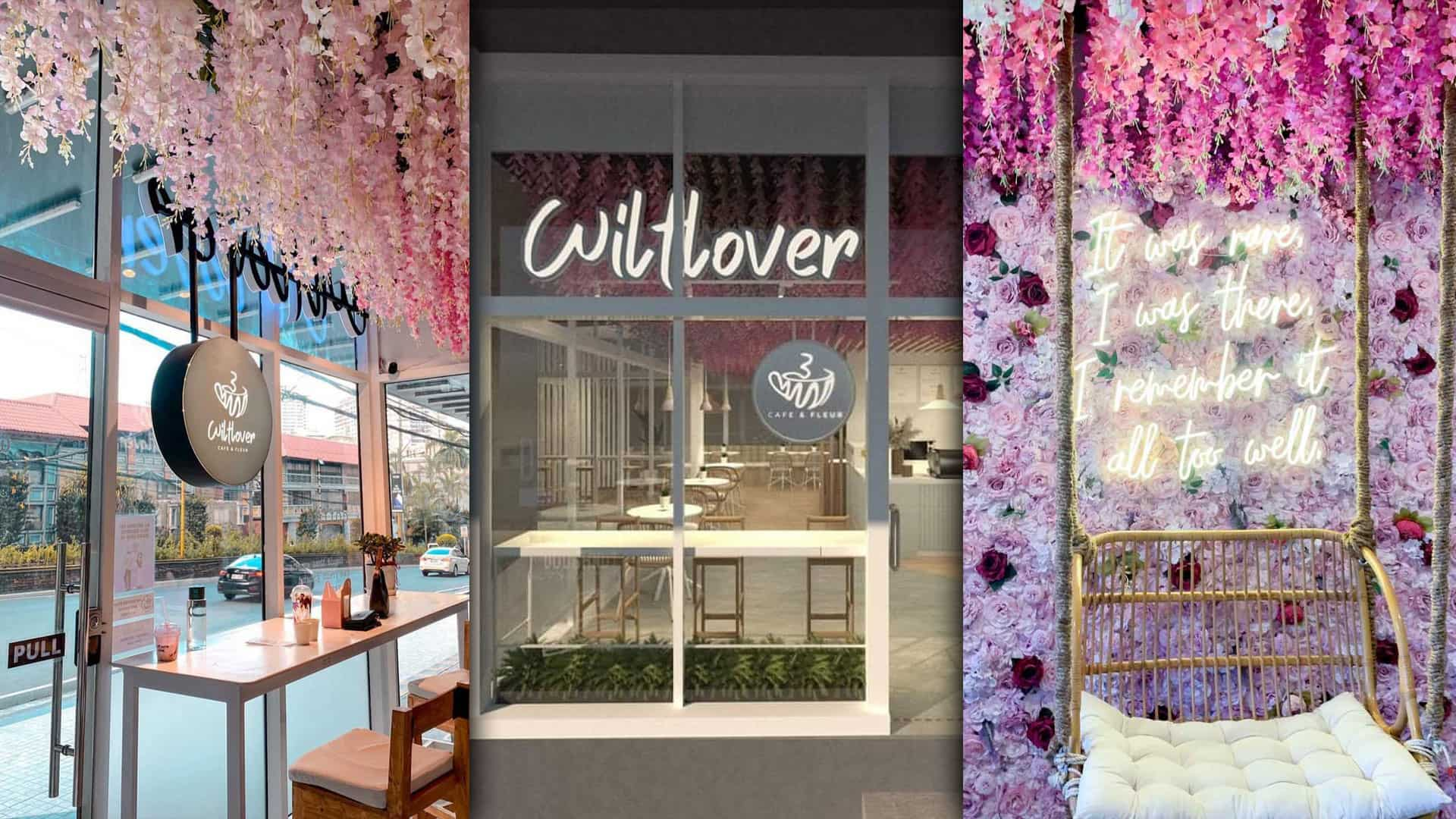
Step 6: Pick Your Coffee Shop Aesthetic and Concept
Your design and theme set the atmosphere. Choose based on what customers in your city or neighborhood actually want — the right concept makes your shop more inviting and shows you care about the experience. For inspiration, browse our list of the best coffee shops in the Philippines. Still naming your cafe? Try our coffee shop name generator.
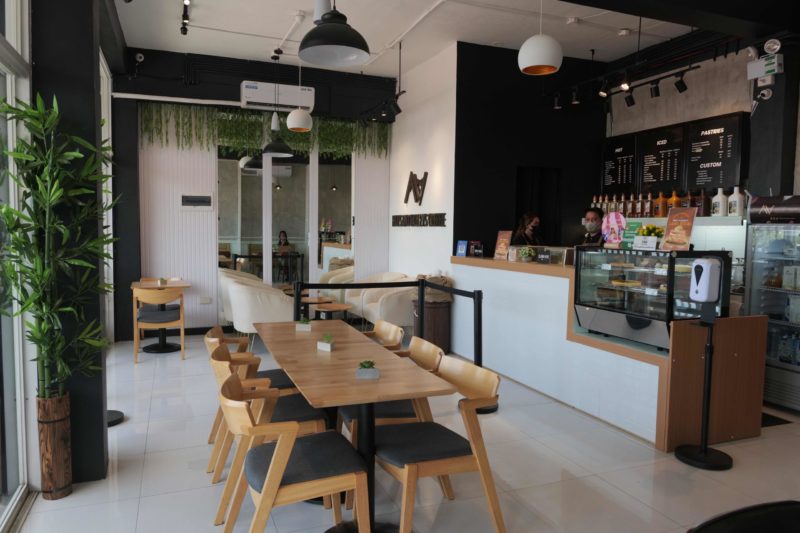
| Concept | Look and feel |
|---|---|
| Minimalist | Clean lines, neutral colors, simple decor — quiet and calming for work or rest |
| Korean | Inspired by Seoul cafes — minimalist design, pastel colors, unique food and drinks |
| Rustic | Cozy — wooden furniture, exposed brick, vintage decor |
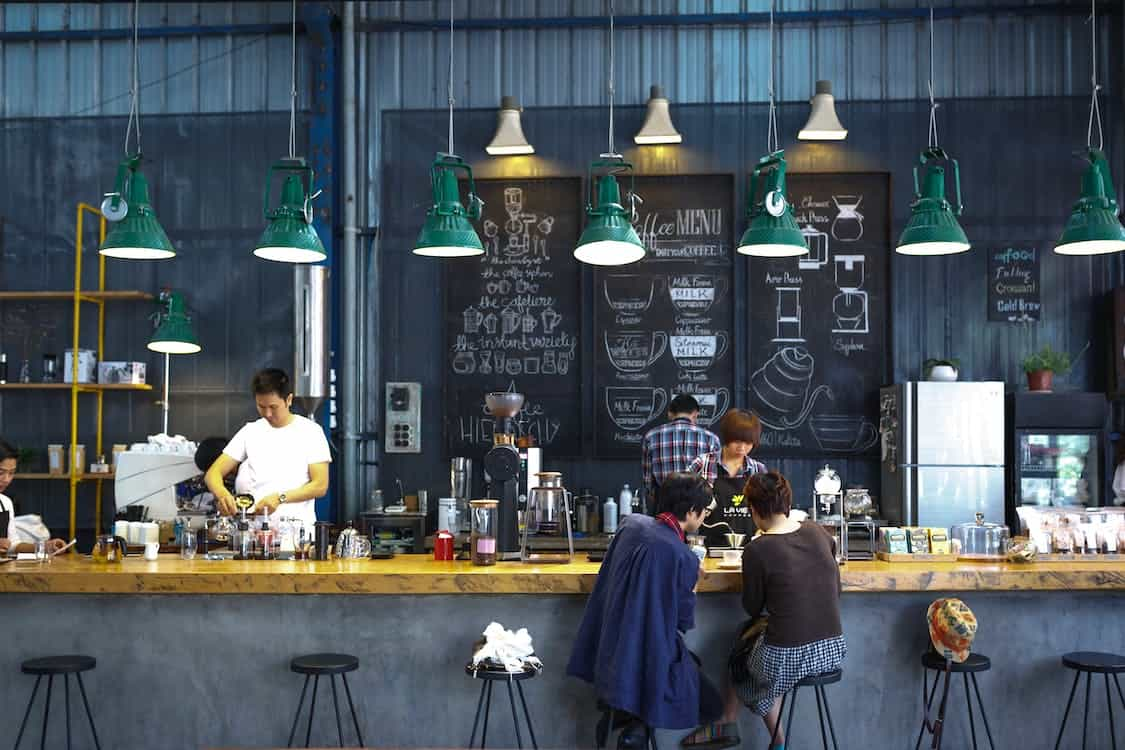
| Industrial | Raw concrete and metal — modern and edgy |
| Boho chic | Bright colors, bold patterns, an eclectic mix of furniture |
| Indoor garden | Plants and natural elements — serene and refreshing |
| Pop culture | Decor and menu items inspired by movies, TV, or music — built for fans |
Step 7: Understand Sales and Marketing
Sales are the lifeblood of a coffee shop, and marketing is what brings new customers through the door. Both matter whether you run a startup or a franchise.
Sales Forecasting
Sales forecasting estimates how much revenue you can expect. Many variables affect sales, but you still need a monthly target. Coffee shops typically forecast with three inputs: customers served per day, average ticket, and days open.
Example Forecast
80 customers a day × ₱140 average ticket × 30 days = ₱336,000 monthly revenue. To get profit, subtract your total expenses: cost of goods sold (COGS), rent, labor, utilities, and other operating costs. Plug in your own numbers — the structure is what matters.
Learn more about forecasting methods:
What Affects Coffee Shop Sales in the Philippines?
- Location — accessible, high-traffic cafes attract more customers.
- Customer demographics — know your target customer and market to them specifically.
- Competition — the more coffee shops nearby, the harder you have to work to stand out.
Marketing Strategies That Work
For a longer list of campaigns you can run through the year, see our coffee shop promotion ideas.
A common misconception is that franchise stores don't need to market because the franchisor handles it. The franchisor's campaigns help, but the best franchisees also market their own branch — aligned with the brand's overall strategy.
- Social media — post on Facebook, Instagram, and TikTok. Hire a freelance designer or use Canva, and write captions that entertain or educate with a clear call to action. Facebook Ads can promote discounts and seasonal campaigns in your area; in the Philippines, a customer message can cost as little as ₱10.
- Loyalty programs — reward repeat purchases with freebies to give customers a reason to come back.
- Live events — live music is one of the most effective cafe marketing trends in the Philippines right now.
- Google Business reviews — set up your Google Business profile, then display an A4 poster with a QR code linking to your review page. Reviews help you appear in local searches like "coffee shop san jose del monte bulacan."
Step 8: Master Cafe Operations and Customer Service
Cafe operations cover the day-to-day workflow: menu planning and pricing, food safety, workflow, quality control, staff training, and customer experience.
Menu Planning and Pricing
Offer a range of drinks and pastries that match your market's tastes. Research other Philippine coffee shops and global coffee trends for ideas, and set prices deliberately — pricing directly drives your monthly profit.
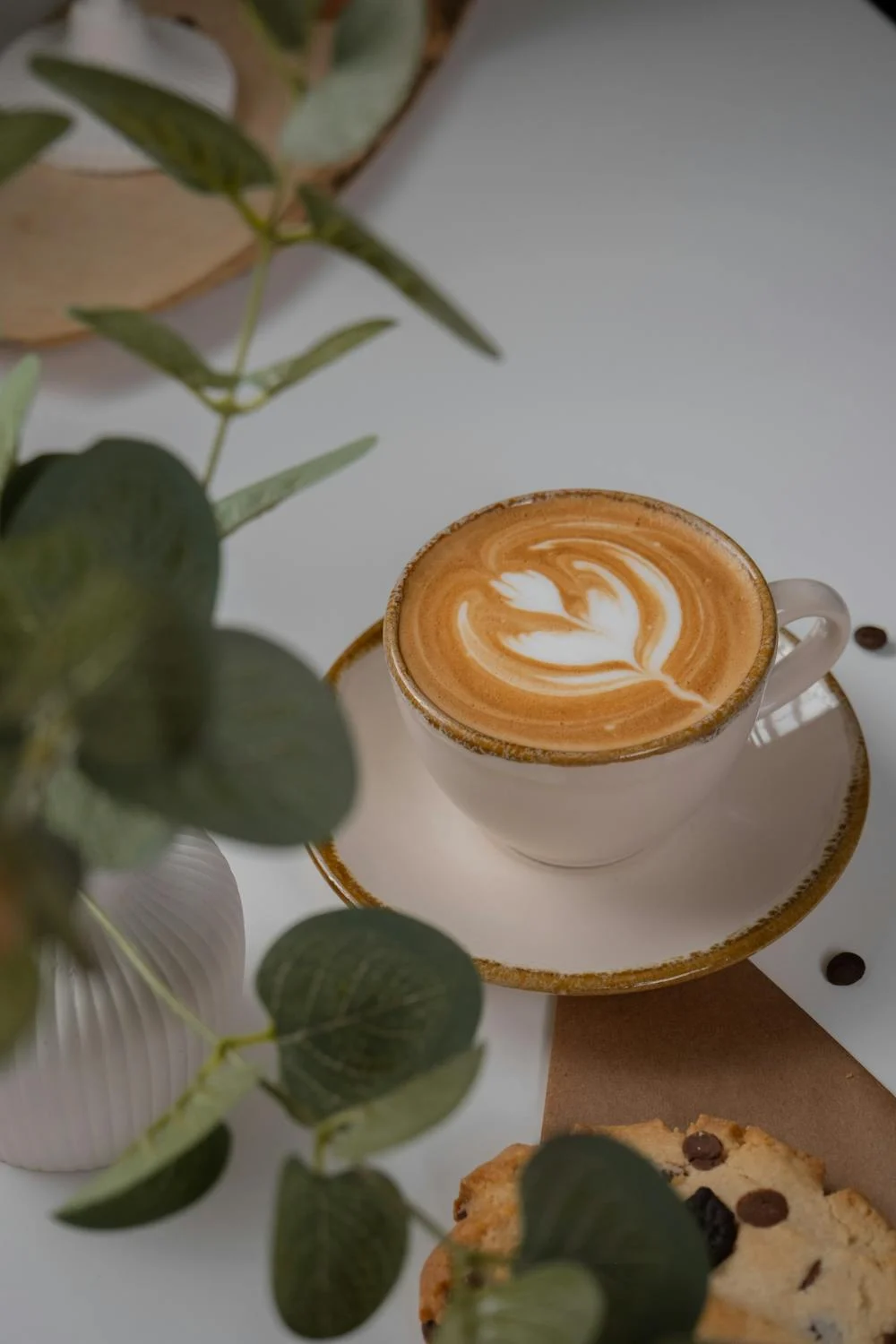
Build for Filipino tastes. Sweet, milky iced drinks like Spanish latte and Vietnamese latte sell well, and non-coffee options (matcha, chocolate, frappes) bring in customers who don't drink coffee. You can see how we structure ours on the Hills & Valleys menu. Here's a sample menu for reference:
| Coffee | ₱ | Non-Coffee | ₱ | Food | ₱ |
|---|---|---|---|---|---|
| Espresso | 90 | Hot Tea | 80 | Pastry | 60–120 |
| Americano | 120 | Iced Tea | 90 | Cake Slice | 100–150 |
| Cappuccino | 140 | Matcha Latte | 150 | Sandwich | 120–200 |
| Latte | 150 | Chai Latte | 140 | Salad | 150–250 |
| Mocha | 160 | Hot Chocolate | 120 | Pasta Dish | 200–280 |
| Iced Coffee | 120 | Chocolate Drink | 120 | ||
| Cold Brew | 140 | Fruit Smoothie | 180 | ||
| Classic Milkshake | 140 | ||||
| Special Milkshake | 180 | ||||
| Fresh Juice | 100 | ||||
| Bottled Water | 40 |
Food Safety and Sanitation
For any food business, high food safety and sanitation standards are non-negotiable. Learn the relevant regulations and guidelines that protect your customers' health.
Workflow Optimization
Shorter wait times mean happier customers. Walk through your production area, find what causes delays, and rearrange equipment and furniture if it creates a faster layout.
Quality Control
Every drink should meet the same standard every time — especially once you open more branches. Run regular taste tests of your coffee and other products.
Customer Service and Experience
The coffee shop with the best customer experience wins, because customers who feel well-served come back. Think about ambiance, music, lighting, and overall vibe. Ask customers for feedback directly, and train your baristas to handle complaints with empathy and a clear process for resolving issues quickly.
Per-Cup Costing and Break-Even Math
Before you open, know what each cup costs you and how many cups you need to sell to cover your monthly costs. Here's a sample for a 16 oz iced latte. Replace every number with your own supplier quotes.
| Ingredient / item | Sample cost per cup |
|---|---|
| Espresso (18 g beans at ~₱1,000/kg) | ₱18 |
| Milk (~200 ml) | ₱20 |
| Syrup or sweetener | ₱5 |
| Cup, lid, straw, sleeve | ₱10 |
| Ice | ₱2 |
| Total cost per cup | ₱55 |
Sell that latte at ₱140 and you keep ₱85 per cup, a cost of goods of about 39%. That ₱85 is what pays your rent, staff, and utilities.
Break-Even Example
Monthly operating costs of ₱155,000 ÷ ₱85 kept per cup = about 1,824 cups a month, or roughly 61 cups a day over 30 days. Every cup beyond that is profit. If your location can't realistically deliver that daily volume, lower your costs or rethink the location before you sign the lease.
Coffee Shop Success Factors and Challenges
What Makes a Cafe Successful?
- Quality of products and service — good ingredients, good equipment, and well-trained staff.
- Atmosphere and ambiance — decor, lighting, music, and seating that make people want to stay and return.
- Location and accessibility — high foot traffic that matches your target customer.
- A strong customer base — built through loyalty programs, live events, and social media.
Challenges Coffee Shop Owners Face
- High competition — high demand means new shops keep opening, so you need a clear point of difference.
- Rising ingredient costs — beans and milk prices fluctuate with inflation. Review costs regularly and adjust prices to stay profitable.
- Customer retention — more options mean less loyalty by default. Experience and consistent marketing keep people coming back.
- Employee turnover — hiring and training are resource-intensive, so retaining good staff directly cuts costs.
Three Signs Your Cafe Needs a Rethink
Your regulars stop coming back after the first month. Your staff changes every few months. Your ingredient costs have risen but your menu prices haven't. Any of these means the problem is in the system, not the season — and more marketing alone won't fix it.
To map these against your own cafe, try a SWOT analysis for your coffee shop.
Common Mistakes and Why Cafes Fail
Most cafes that close early don't fail because of bad coffee. They fail because of avoidable planning mistakes:
- No cash reserve - spending the whole budget on fit-out and leaving nothing for the first slow months. Keep at least three to six months of operating costs set aside.
- Choosing a location on rent alone - a cheap space with little foot traffic can't reach break-even volume.
- Pricing without costing - setting prices by copying competitors instead of computing your cost per cup.
- Copying big chains - competing with Starbucks on their terms instead of serving your local market better and at a better price.
- Too big a menu - more items mean more inventory, more waste, and slower service.
- Skipping permits - operating without complete permits risks fines or a closure order.
- Weak staff training - inconsistent drinks lose regulars faster than anything else.
- No marketing after opening week - customers forget quickly unless you keep giving them a reason to return.
Coffee Shop Philippines: Frequently Asked Questions
How much does it cost to open a coffee shop in the Philippines?
Around ₱1,250,000 for the shop setup, equipment, and permits, plus about ₱155,000 a month for rent, utilities, supplies, marketing, and staff.
Should I franchise or start my own coffee brand?
Franchise if you want a proven system, training, and marketing support. Start your own brand if creative control matters more and you have time to build a brand from scratch. See the franchise vs. startup comparison above.
How many cups a day does a coffee shop need to sell to break even?
With ₱155,000 in monthly costs and about ₱85 kept per cup, roughly 61 cups a day. Your number depends on your rent, staff, and per-cup cost. See the break-even math above.
Can I start a coffee business from home?
Yes. A home-based or online coffee business can start from around ₱10,000-₱50,000 for a machine or brewer, ingredients, and packaging. You still need to register with DTI and your barangay, and get a Mayor's permit and BIR registration.
How do I start a small coffee shop business on a low budget?
Plan expenses carefully, choose a strategic location, and consider a specialty coffee or unique blend to stand out. Save on furniture and equipment, lean on social media marketing, and build relationships with local suppliers to reduce costs.
Is a coffee shop a profitable business?
Yes. Most coffee shops start generating profit within the first few years, with sales expected to double by year five. The key is managing startup costs, keeping a contingency fund, and closely monitoring operating costs in year one.
What qualifications do you need to run a cafe?
None are required in the Philippines. Training, seminars, workshops, and certifications in food and beverage still help a lot.
Is owning a coffee shop stressful?
It can be, especially starting from scratch. With careful planning and proper execution, many owners find it rewarding and fulfilling.
What percentage of cafes fail?
Some studies show up to 60% of cafes fail within the first year — which is why planning, management, and market research matter so much before you open.
Can I run a cafe with no experience?
Yes, but experience or a business background helps you avoid early mistakes. A franchise with training and support is one way to close that gap.
What does a small cafe need?
An espresso machine and grinder, a menu, a point-of-sale system, and the business permits and licenses to operate legally.
Do coffee shop owners make money?
They can, depending on location, competition, pricing, and management. Careful planning and cost control make the difference.
Keep Reading
- Coffee shop franchise in the Philippines — packages, inclusions, and how franchising with us works.
- Coffee cart franchise Philippines — the lowest-capital way to start with a proven brand.
- How to start a franchise business in the Philippines — the franchising process, step by step.
- Coffee shop promotion ideas — campaigns to run after opening week.
- SWOT analysis of a coffee shop — map your strengths, weaknesses, and threats.
- Starbucks drinks in the Philippines — menu inspiration for espresso-based drinks.
- Hills & Valleys Coffee — visit our coffee shop in Bulacan.

Best Franchise Business in the Philippines
Last verified: September 2026
In the dynamic world of franchising, the best franchise opportunities in the Philippines span a diverse range of industries, reflecting the country's rich tapestry of business possibilities.
This sector has capitalized on the entrepreneurial spirit of Filipinos and played a critical role in fueling the nation's economic growth. As a steadily growing business model, franchising is transforming the business landscape of the Philippines, offering innovative and profitable options for both entrepreneurs and consumers alike.
This guide covers 25 franchise opportunities across coffee, convenience, fuel, food carts, and full-service restaurants, with investment figures, inclusions, payback periods, and contact details for each. Discover what fits your budget and start your own business today.
Quick Answer: Best Franchise Opportunities by Category
- Best overall and best coffee franchise - Hills & Valleys Coffee, ₱495,000, no royalty fees
- Best convenience store - 7-Eleven, ₱3.5M to ₱5M
- Best fuel station - Shell or Petron, ₱4M to ₱9M
- Best low-cost food cart - Hong Kong Style Fried Noodles, ₱165,000
- Best fastest payback - Waffle Time, 6 to 12 months
- Best full-service restaurant - Lydia's Lechon, ₱750,000
Our pick: Hills & Valleys Coffee at ₱495,000 is the only franchise on this list that combines a sub-₱500,000 entry point with zero royalty fees, a 5 km exclusivity radius, and premium pricing that earns more per transaction than a snack cart does. Most carts in this price band charge royalties or compete on ₱39 price points.
In This Article
- All 25 franchises compared
- Best franchise by budget
- Coffee and beverage franchises
- Convenience store and fuel franchises
- Food cart and snack franchises
- Restaurant and full-meal franchises
- How to choose the right franchise
- Hidden costs nobody quotes you
- Realistic payback math
- How to apply and what to ask
- Frequently asked questions
All 25 Franchises Compared
Sorted by entry investment, from lowest to highest. Franchisors change pricing without notice, so confirm the current figure during your orientation.
| Franchise | Category | Investment | Payback | Space |
|---|---|---|---|---|
| Potato Corner | Food cart | ₱128,800 to ₱500,000 | ~1.5 years | Cart to in-line |
| HK Style Fried Noodles | Food cart | ₱165,000 | Not published | Cart |
| Waffle Time | Food cart | ₱250,000 plus ₱50,000 deposit | 6 to 12 months | 4 sqm |
| Master Siomai | Food cart | ₱280,000 | Not published | Cart |
| Minute Burger | Food cart | ₱290,000 | 18 to 24 months | Cart |
| Citrus Zone | Beverage | ₱290,000 to ₱350,000 | Not published | 4 to 6 sqm |
| Fruitas | Beverage | ₱300,000 plus 5% royalty, 1.5% ads | ~1.5 years | Cart |
| Bibingkinitan | Food cart | ₱300,000 | Not published | Cart to in-line |
| Mr. Softy | Food cart | ₱300,000 to ₱495,000 | Not published | 3 sqm |
| Monster Wings | Food cart | ₱350,000 to ₱500,000 | Not published | Cart to kiosk |
| Siomai House | Food cart | ₱350,000 | 6 to 18 months | Cart |
| Fatboys Pizza | Restaurant | ₱395,000 to ₱950,000 | Not published | 4 sqm |
| Bang Bang Bangus | Restaurant | ₱450,000 to ₱550,000 | Not published | Counter |
| Lot's a Pizza | Restaurant | ₱450,000 to ₱850,000 | 1 to 2 years | Stall to full store |
| Hills & Valleys Coffee | Coffee | ₱495,000, no royalty | 9 to 18 months | Cart to full store |
| Famous Belgian Waffles | Food cart | ₱550,000 to ₱730,000 | Not published | 3 to 8 sqm |
| Nacho King | Food cart | ₱580,000 to ₱770,000 | Not published | 3 to 4 sqm |
| Shawarma Shack | Restaurant | ₱640,000 to ₱3,090,000 | Not published | 4 sqm |
| Lydia's Lechon | Restaurant | ₱750,000 | ~16 months | 8 sqm |
| Quickly | Beverage | ₱788,000 | Not published | 6 sqm |
| Brownies Unlimited | Food cart | ₱920,000 | Not published | 4 sqm |
| 7-Eleven | Convenience | ₱3.5M to ₱5M (fee ₱600,000) | Not published | Store |
| Petron | Fuel | ₱4M to ₱9M | Not published | Station lot |
| Shell | Fuel | ₱5M to ₱8M | Not published | 600 to 1,000 sqm lot |
| Turks | Restaurant | Not published | Not published | Mall kiosk |
What the Table Shows
Two things stand out. First, most brands here don't publish a payback period, so you are buying on faith unless you ask directly. Second, royalty is the line that separates them. Fruitas charges 5% plus a 1.5% advertising fee, Shell charges a monthly royalty, and most others quote royalties only at orientation. On ₱400,000 monthly sales, a 5% royalty costs ₱240,000 a year. Hills & Valleys charges none for the full 5-year term.
Best Franchise by Budget
| Budget | Your options | Our pick and why |
|---|---|---|
| Under ₱300,000 | Potato Corner, HK Style Fried Noodles, Waffle Time, Master Siomai, Minute Burger, Citrus Zone | Waffle Time, for the 6 to 12 month payback and a 4 sqm footprint. At this level you are buying volume economics, so the location does all the work. |
| ₱300,000 to ₱500,000 | Hills & Valleys Coffee, Fruitas, Mr. Softy, Monster Wings, Siomai House, Bibingkinitan, Bang Bang Bangus | Hills & Valleys Coffee at ₱495,000. It is the only option in this band with premium pricing, no royalty, and 5 km territory protection together. Fruitas sits at ₱300,000 but adds 5% royalty and 1.5% advertising on top, which costs more than the ₱195,000 difference within two years. |
| ₱500,000 to ₱1M | Famous Belgian Waffles, Nacho King, Lydia's Lechon, Quickly, Brownies Unlimited, Lot's a Pizza, Hills & Valleys Fit Out | Lydia's Lechon for its 16-month payback, or a Hills & Valleys Fit Out at ₱495,000 plus construction if you want a branded storefront rather than a kiosk. |
| ₱1M and up | 7-Eleven, Shell, Petron, Shawarma Shack, Hills & Valleys Store | 7-Eleven, because it shares profits instead of charging royalties on sales. Fuel stations need ₱4M and up plus a large lot, so treat them as a property play rather than a retail one. |
Coffee and Beverage Franchises
1. Hills & Valleys Cafe Store and Cart Franchise
Hills & Valleys Cafe, known for its welcoming and relaxing ambiance, has become a popular destination for premium coffee enthusiasts. Their offerings include favorites like the Vietnamese and Spanish Lattes, as well as non-coffee options such as their signature Frosted Hills drinks. With the tagline "Your coffee through ups and downs," the cafe is dedicated to providing high-quality beverages that cater to every taste, all served by friendly and attentive staff.
| Why franchisees choose us | What it means for your margin |
|---|---|
| No royalty fees | Every peso of profit stays with you. A typical 5% royalty on ₱400,000 monthly sales costs ₱1.2M over a 5-year term. |
| 5 km territory exclusivity | No second Hills & Valleys branch competing with yours. You own the catchment area. |
| Premium pricing, not volume pricing | Drinks start at ₱90, so you earn far more per transaction than a snack cart or a ₱39-coffee stall. |
| Underserved market focus | We place stores in rural and provincial areas with high foot traffic, so your rent is lower and your competition is thinner. |
| Support that continues after opening | Barista training, marketing, site visits, and business guidance for as long as you run the store. |
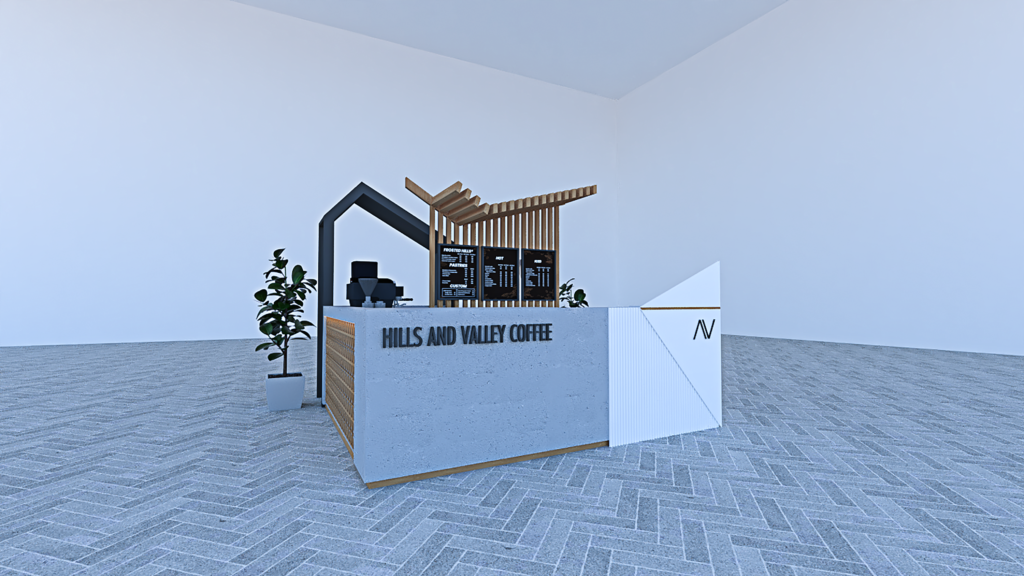
Deluxe Cart
₱495,000
Inclusions:
- 5 years franchise fee
- Full construction cost
- Franchisee training
- Operations manual
- Use of business name and logo
- Social media advertising (worth ₱10,000)
- Food delivery app application assistance
- POS (first 6 months subscription)
- Espresso machine
- Grinder
- JTC blender
- Supplies and accessories
- 1 month worth of free stock credits
Cafe Fit Out
₱495,000 plus construction cost
Inclusions:
- 5 years franchise fee
- Franchisee training
- Operations manual
- Use of business name and logo
- Social media advertising (worth ₱10,000)
- Food delivery app application assistance
- POS (first 6 months subscription)
- Espresso machine
- Grinder
- JTC blender
- 1 month worth of free stock credits
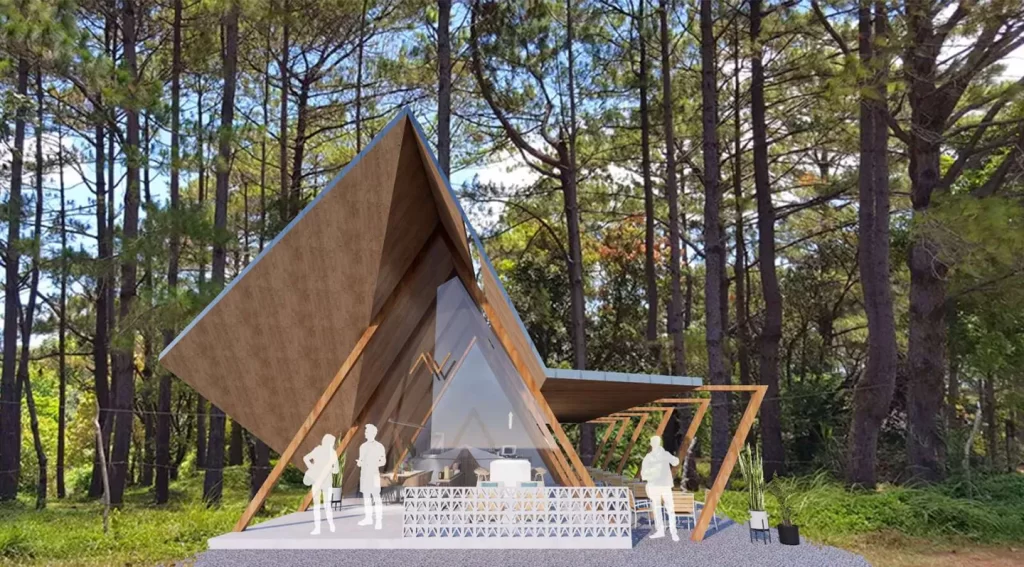
Store
₱495,000 plus construction cost
Inclusions:
- 5 years franchise fee
- Franchisee training
- Operations manual
- Use of business name and logo
- Social media advertising (worth ₱10,000)
- Food delivery app application assistance
- POS (first 6 months subscription)
- Espresso machine
- Grinder
- JTC blender
- 1 month worth of free stock credits
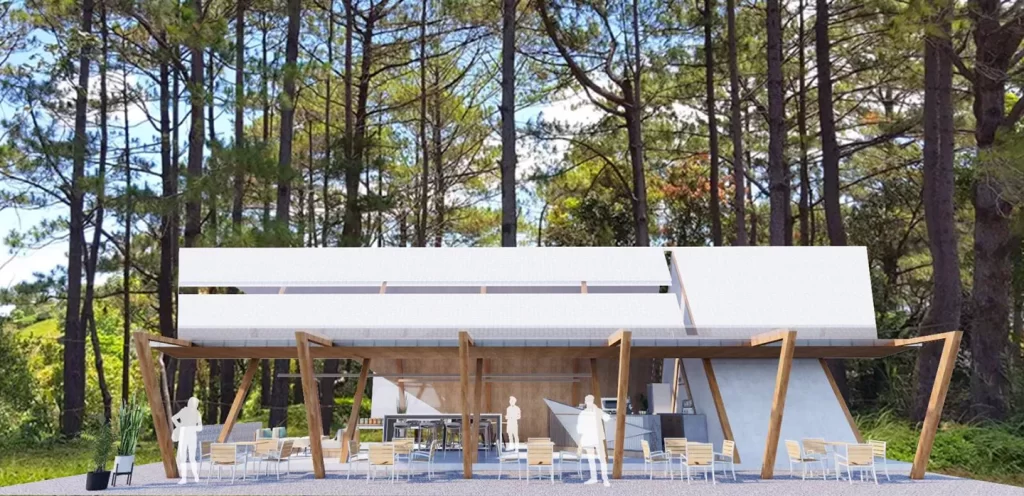
For inquiries:
- Mobile/Viber: 0906 232 0168
- Email: hillsandvalleyscoffee@gmail.com
Hills & Valleys at a Glance
Pros: No royalty fees. Entry at ₱495,000, under the ₱500,000 mark. 5 km territory exclusivity. Three formats, so you can scale from cart to full store within the brand. Continuing support after opening.
Cons: Smaller national footprint than 7-Eleven or Potato Corner, so brand recognition is still building outside our existing regions. Fit Out and Store need construction budget on top of the package fee.
Best for: First-time franchisees who want premium positioning under ₱500,000 and want to keep their full margin.
You can check out our available packages for coffee franchise in the Philippines, or see how we compare with other brands in our roundup of the best coffee shop franchises.
2. Fruitas Franchise
Minimum initial investment: ₱300,000. Additional costs: 5% royalty fee and 1.5% advertising fee.
Package includes: food cart, initial inventory, required equipment and supplies, training for franchisee and crew, marketing materials, and assistance during the opening. Contract length is 2 years, with an estimated 1.5 years to recover the initial investment.
Contact: franchise@fruitasholdings.com, 330-2889 / 0926-988-8988 / 0939-101-0101
About Fruitas. Fruitas Holdings has achieved success by offering fresh and affordable products to the middle class. Strong internal research and development, a capable marketing team, and a solid supply chain let them deliver high-quality products. Their expansive store network, facilitated by franchising, has made them a leader in the food cart industry in the Philippines.
Worth noting: the 5% royalty plus 1.5% advertising fee means 6.5% of gross sales leaves the business every month, on top of a 2-year contract that is short for recovering capital.
3. Citrus Zone Franchise
Franchise fee: ₱120,000. Complete setup package: ₱290,000 to ₱350,000.
Package includes: a cart equipped with juicing tools, crew uniforms, comprehensive training, and initial inventory. Space requirement is 4 to 6 sqm.
Contact: partners@citruszonerefreshment.com, (02) 782-7756 or 782-5923, mobile 0906-385-6785
About Citrus Zone. Citrus Zone Refreshment was established to counter the rise of fast food and junk food by promoting a healthier lifestyle through freshly-pressed juices. Committed to maintaining the freshness and nutritional value of fruits, Citrus Zone offers on-the-go fresh fruit beverages.
4. Quickly Franchise
Required starting capital: ₱788,000 upfront.
Package includes: franchise fee, essential equipment such as freezers, a sealer, counter, and menu board, comprehensive training, security deposit, and initial inventory. Agreement runs 2 years with an option to renew for another 2. Minimum area is 6 sqm.
Contact: franchise@quickly.com.ph, 365-2518 or 365-8516
About Quickly. Quickly, a pioneering bubble tea brand from Taiwan, offers a range of healthy, preservative-free beverages made from milk, fruit shakes, and low-fat cream. Starting thirty years ago with the innovation of tapioca pearl drinks, Quickly has expanded across Asia, the United States, Europe, and the Philippines. Since its launch in Manila's University Belt in 2000, Quickly has introduced new flavor combinations in response to consumer demand.
Start a Coffee Franchise from ₱495,000, with No Royalty Fees
Keep your full margin. No royalty fees for the entire 5-year term, unlike most franchises on this list.
Own your area. 5 km exclusivity means no second Hills & Valleys branch competing with yours.
Three ways in. Deluxe Cart, Cafe Fit Out, or full Store, so you can match the format to your location and capital.
Convenience Store and Fuel Franchises
5. 7-Eleven Franchise
7-Eleven is an iconic convenience store chain, well known for its round-the-clock availability and a diverse range of products, including food.
Franchise fee: ₱600,000. Capital investment: ₱3.5 million to ₱5 million.
Franchise process
- Initial contact. Complete the online inquiry form to schedule a franchise briefing, held every Monday and Thursday at 10 AM or 2 PM at the 7/F Columbia Tower, Ortigas Avenue, Mandaluyong City.
- Pre-qualification. Select a site from 7-Eleven's list or propose your location for evaluation.
- Interview with the approval committee. Undergo a three-level interview process.
- Memorandum of agreement signing. Review and sign the legal documents after passing the interviews.
- Training. Participate in a one-month comprehensive training program covering 7-Eleven operations.
- Store opening and turnover. Complete the process within 4 to 6 months.
Benefits and support. Unlike other franchisors, 7-Eleven shares profits with franchisees rather than taking royalties on sales. Support includes a four-week training program, bookkeeping assistance with daily and monthly reports and store audits, periodic property and equipment maintenance, weekly meetings with a field consultant, and monthly thematic promotions with in-store collaterals.
Qualifications. Ability to fund the investment requirement, willingness to undergo full-time training for 4 to 8 weeks, commitment to oversee day-to-day operations, compliance with the franchisor's guidelines, preferred experience in retail, management or customer service, and an entrepreneurial willingness to assume risk.
Contact: 7/F Columbia Tower, Ortigas Avenue, Mandaluyong City. Phone +63 (02)8-726-9968, fax +63 (02)705-5229, mobile +63 (920)950-8651 or +63 (917)871-1686, email franchising@7-eleven.com.ph
6. Shell Franchise Philippines
Shell is a globally recognized oil company with a strong presence in the Philippines for over 105 years. Known for innovative and reliable service, Shell offers franchisees the chance to operate under a trusted and established brand.
Franchise fee: not applicable. Instead, a monthly royalty fee applies for gas stations with Select Shops and/or Lube Bay/Service Bays. Capital investment: ₱5 million to ₱8 million.
Franchise process
- Submit application requirements. Download the application form from the Shell Philippines website, then email it with your details and proposed location to newbusiness-ph@shell.com.
- Examination and interview. Take the required exam and attend the interview.
- Retailer pool accreditation. Get accredited through the retailer pool.
- Retailer selection process. Participate in the selection process.
- Contract signing. Review and sign the contract after successful selection.
- Station turnover. Take over the station and begin operations.
Benefits and support. Over 1,000 stations in the Philippines and a presence in 106 countries. Integrated offers including branded service bays and Select convenience stores. Assistance with feasibility studies, construction, and staff training. Access to business advisers and marketing programs.
Qualifications. Not more than 55 years of age. Filipino national with an established residence in the Philippines. Experience managing a business or several staff. Not an ex-employee or ex-retailer from the oil industry for at least 2 years. For corporations, the managing partner should own at least 50.1% of shares.
Leasing your lot to Shell. Lot size requirement is 600 to 1,000 sqm with a frontage of 35 to 60 meters. Required documents: letter of intent, complete address and title of the lot, lot plan layout and vicinity map, recent real property tax copy, and lot size and frontage details. Email these to newbusiness-ph@shell.com, and Shell will conduct a feasibility study, lot ocular, and negotiations.
Contact: (02) 8789-3516, newbusiness-ph@shell.com
7. Petron Franchise Philippines
Petron is a leading local oil refinery, supplying nearly half of the country's petroleum needs. The company offers two types of service stations: Company-Owned Service Stations (COSS) and Dealer Owned Service Stations (DOSS).
Capital investment: ₱4 million to ₱9 million.
Franchise process
- Submit application requirements. Prepare a letter of intent with your complete name, home or office address, contact information, and the address of the proposed lot. Include a lot plan, vicinity map, and Transfer Certificate of Title.
- Review and approval. If your application is complete, Petron will review it for approval.
- Dealer management course. Upon approval, undergo a 4-week dealer management course.
Benefits and support. The dealership covers buying, storing, and reselling Petron's premium petroleum products such as fuels, lubricants, LPG, and specialty products. For DOSS, Petron provides signage and equipment such as underground tanks and dispensing pumps.
Contact, Luzon: (02) 884-9251 or #PETRON (#738766), fax (02) 884-0950 or (02) 884-0940, email Talk2Us@petron.com, Ground Floor, San Miguel Corp. Head Office Complex, 40 San Miguel Avenue, Mandaluyong City
Contact, Visayas and Mindanao: #PETRON (#738766), fax (032) 345-5616, email Talk2Us@petron.com, Petron Corp. Mandaue Terminal, Looc, Mandaue City
Food Cart and Snack Franchises
8. Potato Corner Franchise
Franchise options: customized store ₱128,800, school cart ₱145,600, food cart ₱200,000, standard cart ₱263,200, kiosk ₱400,000, in-line store ₱500,000.
Package includes: franchise fee, food cart or kiosk, training for franchisee and crew, essential equipment, small wares, and initial supplies. Payback period is approximately 1.5 years.
Location: 869 Katarungan St., Barangay Plainview, Mandaluyong City
Contact: (02) 534-5845 / 534-5846, iwantfranchise@potatocorner.com
About Potato Corner. A prominent food cart chain originating from the Philippines, renowned globally for its flavored fries and a popular entry point for aspiring entrepreneurs. Since 1992 the franchise has expanded into malls, schools, hospitals, and tourist destinations worldwide, earning the Franchise Excellence Hall of Fame Award and the Global Franchise Award.
9. Master Siomai Franchise
Initial investment: ₱280,000.
Inclusions: customized food cart, initial stock of food and paper goods valued at ₱7,000, essential equipment including a steamer, chest freezer, and acrylic plastic juicer, kitchen utensils and plasticware, staff uniforms, cleaning supplies, and promotional materials.
Contact: inquiry@mastersiomai.ph, 8709-5288 / 8709-0901
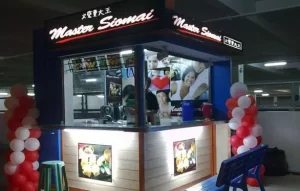
About Master Siomai. Established in 2007, MC Master Siomai Hut, formerly Masterrific Foods, has become the leading siomai manufacturer and distributor in the Philippines with over 900 outlets nationwide. Its GMP, Triple A, and HACCP certifications back a commitment to quality and safety.
10. Hong Kong Style Fried Noodles and Dimsum Food Cart Franchise
Initial investment: ₱165,000.
Inclusions: food cart, required equipment and utensils, essential small wares, initial batch of product supplies, training and orientation, assistance with site selection and grand opening, crew uniforms, and complimentary food cart delivery within Metro Manila.
Contact: apgf001@yahoo.com, 8343-0536, mobile 0967-315-9583 / 0922-830-7611
About the brand. Founded by Angelito Marcelino and Jo Ann Buenaventura in 2000, Asia Pacific and Global Franchising Corporation, initially known as Lin-Shin Noodles & Dimsum, has grown into a successful franchise model. The HK Style Fried Noodles brand has over a hundred outlets and has been featured on national TV.
11. Minute Burger Franchise
Initial investment: ₱290,000 for the cost-efficient franchise package.
Package includes: franchise fee, stock bond, site processing fee, licensing to operate two outlets, and additional support and resources. Contract runs 4 years, with an average 18 to 24 months to recoup the initial investment.
Contact: Luzon (02) 8776-7740 or 0906-392-6610, Visayas (032) 345-4053 or 0917-329-7534, Mindanao (082) 244-0191 or 0917-479-0884
About Minute Burger. A successful franchise business for over 30 years, offering affordable products in clean, well-maintained stores. A focus on innovation and product development keeps ingredients high-quality, and regular visits from a dedicated team maintain consistency across the network.
12. Waffle Time Food Cart Franchise
Initial investment: ₱250,000 plus an additional ₱50,000 security deposit.
Inclusions: franchise fee, fully equipped food cart, comprehensive training for franchisee and crew, and crew uniforms. Estimated 6 to 12 months to recoup the investment. Minimum space is 4 sqm.
Contact: customerservice@waffletime.com, 642-1870, 584-3704, 477-2468, (033) 335-0935, 335-0026, mobile 0933-851-4522
About Waffle Time. The pioneer in freshly-baked waffles served in carts, Waffle Time has been a well-established name in the food kiosk industry for over twenty years, offering quality waffles with a range of fillings at affordable prices.
13. Famous Belgian Waffles Food Cart, Kiosk, or Counter
Investment: ₱550,000 to ₱730,000.
Package includes: access to the established operating system, pre-operational training and crew orientation, grand opening support, ongoing franchisor guidance, store setup assistance, site evaluation, and help securing a lease. Agreement runs 3 years with renewal possible. Space requirement is 3 to 8 sqm.
Contact: famousbelgianwaffles@gmail.com, 8425-2591, mobile 0917-559-4318
About the brand. Established in 2012, Famous Belgian Waffles expanded to over 500 branches in five years, including one in San Diego, California. It has been recognized by the Department of Trade and Industry and the Philippine Franchise Association.
14. Bibingkinitan Food Cart, Kiosk, or In-line Store
Initial investment: ₱300,000 for the bounce back franchise package.
Package includes: franchise fee for one year, essential small wares, key equipment including an oven, coffee brewer with glass decanter, and chest freezer, initial stocks, crew uniforms, marketing materials, custom cart design and fabrication, and a point of sale system.
Contact: franchise@foodasia.com.ph, 846-4646, mobile 0917-584-6172
About Bibingkinitan. Bibingkinitan offers traditional Filipino rice cakes through convenient food carts, kiosks, and in-line stores, bringing freshly baked treats and quality coffee to busy urban areas.
15. Brownies Unlimited Food Cart Franchise
Initial investment: ₱920,000 minimum. Space requirement: minimum 4 sqm.
Contact: franchise@browniesunlimited.com
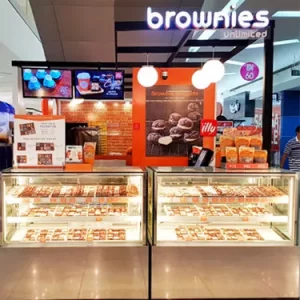
About Brownies Unlimited. Established in 1989 with four types of brownies, the company now offers eleven flavors plus cupcakes, meringues, and silvanas. By 2018 it operated over 58 company-owned branches nationwide, delivering homemade, preservative-free products.
16. Mr. Softy Ice Cream Food Cart or Kiosk Franchise
Investment: ₱300,000 to ₱495,000.
Package includes: franchise fee, machine (optional), standard cart or kiosk, initial inventory, and security deposit. Minimum space is 3 sqm.
Contact: franchisingmrsofty@gmail.com, mobile 0917-677-6389
About Mr. Softy. The pioneering soft-serve ice cream company in the Philippines, launched in 2000 by Victorino Perea after he brought a soft-serve machine from the USA. The first store opened at the Sta. Elena Public Market in Marikina with just five flavors.
17. Monster Wings
Packages: standard cart ₱350,000, island kiosk ₱500,000, inline kiosk ₱500,000.
Contact: 0917-628-9567, franchise@monsterwingsph.com
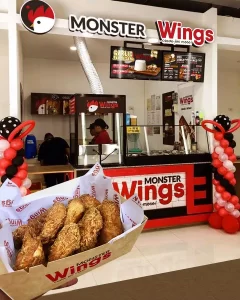
About Monster Wings. Evolving from a family food cart fabrication business established twenty years ago, Monster Wings launched in December 2014 as a provider of affordable, profitable food cart franchises, offering easy management, free training, and a close franchisee relationship.
18. Siomai House Food Cart Franchise
Startup capital: ₱350,000.
Package includes: comprehensive training, ongoing operational support, food cart, necessary equipment, initial supplies, crew uniforms, and marketing materials. Contract runs 3 years, with an estimated 6 to 18 months to recoup the investment.
Contact: emailus@siomai.house, 8709-6237
About Siomai House. Siomai House traces its roots to the Bernabest family home in Dagat-dagatan, Caloocan City. The family began selling empanadas near the old Caloocan City Hall in 2001, then launched Siomai House in 2004 to protect their original business from competition.
19. Nacho King Food Cart or Kiosk Franchise
Initial capital: ₱580,000 to ₱770,000.
Package includes: food cart or kiosk, necessary equipment, crew training and uniforms, and initial inventory. Contract runs 3 years. Minimum space is 3 to 4 sqm.
Contact: customerservice@nachoking.com, (02) 8836-5850 or 535-6215, mobile 0917-560-9336, 0998-595-5270, 0966-921-2696, or 0961-319-8060
About Nacho King. Established in 1995, Nacho King is a leading provider of nachos in the Philippines with 100 outlets nationwide and plans for international expansion. Its high-quality raw corn kernels undergo a five-step process from steeping to flavoring.
Restaurant and Full-Meal Franchises
20. Bang Bang Bangus Franchise
Package A: ₱450,000 (VAT inclusive). Includes franchise fee, counter with TV menu (fixed size), kitchen equipment and materials, one outside lighted signage unit, store opening support, marketing support, business system, training, initial inventory worth ₱30,000, and online advertisements worth ₱10,000.
Package B: ₱550,000 (VAT inclusive). Adds a counter with TV menu designed to your space, a divider, ducting, and two outside lighted signage units.
About Bang Bang Bangus. Defying a global crisis, Bang Bang Bangus has emerged as a beacon of Filipino culinary innovation. This street-side sensation offers a unique spin on traditional bangus dishes with crispy, flavored takes on the fish. Despite the pandemic it expanded to over 25 locations nationwide, with HACCP-certified fish and a diverse menu.
21. Lydia's Lechon Kiosk Franchise
Initial investment: ₱750,000 minimum.
Package includes: franchise fee, use of the trade name, comprehensive training for franchisee and crew, grand opening assistance, and ongoing marketing support. Estimated 16 months to recover the investment. Minimum kiosk space is 8 sqm.
Contact: lydiaslechon@yahoo.com, 939-1221 or 939-4665
About Lydia's Lechon. With over five decades in the market, Lydia's Lechon has grown from a small stall in Baclaran to over 20 stores in Manila, renowned for charcoal roast lechon and other Filipino cuisine. It started beside the Our Lady of Sorrows Church under founders Ms. Lydia and Benigno de Roca.
22. Lot's a Pizza Food Cart Store
Minimum investment: stall ₱450,000, cart ₱550,000, depot ₱650,000, full store ₱850,000.
Package includes: franchise fee, security deposit, use of the trademark, construction costs, comprehensive training, equipment and utensils, and ongoing marketing support. Estimated 1 to 2 years to recoup.
Contact: franchise@lotsapizza.com.ph, 873-8435 or 873-8414
About Lots'a Pizza. Founded by a husband-and-wife team in the 1980s, Lots'a Pizza began selling various food items in Green Hills before finding an opportunity at San Beda College. It now has 204 outlets nationwide, 50 company-operated and 154 franchised, from Northern Luzon to Metro Manila.
23. Shawarma Shack
Starting capital: ₱640,000 to ₱3,090,000. Space requirement: at least 4 sqm.
Contact: franchising@shawarmashack.ph, mobile 0919-079-3774
About Shawarma Shack. The original Buy 1 Take 1 shawarma brand in the Philippines began as a single food stall in 2015 in Divisoria. Through perseverance it has grown to over 700 franchised outlets nationwide.
24. Turks Franchise
Requirements: current images of the proposed location, a detailed location map with landmarks, valid ID, barangay clearance, an official bank certificate, three months of bank statements, an employment certificate if employed, company profile and SEC registration if a business owner, and an offer of lease if applicable.
Contact: marketing@turks.ph
About Turks. With over 15 years of operating experience, Turks is a leading shawarma brand recognized by major shopping malls nationwide. A top-tier commissary maintains consistent product quality. Since opening for franchising in 2016, Turks has grown to over 600 branches and 183 franchisees.
25. Fatboys Pizza Food Cart Franchise
Initial capital: ₱395,000 to ₱950,000.
Package includes: food cart, necessary equipment, initial stock of food and store supplies, comprehensive training for franchisee and crew, operations manual, and opening assistance. Minimum space is 4 sqm.
Contact: fatboyspizzapasta@gmail.com or fatboys@fatboyspizzapasta.com, (02) 358-8021 or (02) 940-9851 (area code 062: 7358-8021 or 7940-9851), mobile 0961-528-2222 or 0998-538-5530
About Fatboy's Pizza. Fat Boy's Pizza Pasta is a destination for lovers of pizza, pasta, and fried chicken, offering budget-friendly pizzas including reinvented Classic Pizzas with a sweet and tangy blend of tomatoes and spices on a signature handmade Neapolitan-style crust.
How to Choose the Right Franchise
With 25 options in front of you, the decision comes down to five questions.
- What can you actually afford, including reserves? Never spend your entire capital on the package. Keep three to six months of operating costs aside.
- What is the ongoing fee structure? A royalty of 5% on ₱400,000 monthly sales is ₱240,000 a year. Over a 5-year term that is ₱1.2 million, and it is charged whether you profit or not.
- What is the margin per transaction? A ₱39 snack sale and a ₱140 specialty latte need very different daily volumes to reach the same profit. Premium pricing means fewer customers for the same result.
- Do you get territory protection? Some brands with 600-plus outlets will place another branch nearby. Ask for the exclusivity radius in writing.
- How long is the term against the payback? If the contract is 5 years, you should recover your capital within 2.5 to 3 years. A 2-year contract with an 18-month payback leaves almost no profit window before renewal.
For a fuller walkthrough of the process, read how to start a franchise business in the Philippines. If you are weighing a food business specifically, see our list of food franchises under ₱1 million.
Hidden Costs Nobody Quotes You
The package price is not your total capital requirement. Budget for these separately, because no franchisor includes all of them:
- Security deposit and advance rent - typically 2 to 3 months plus a month advance. In a mall this can exceed ₱150,000 before you make a single sale.
- Mall percentage of sales - malls often take a share of gross sales on top of rent, which comes straight off your margin.
- Business permits and registration - DTI or SEC, barangay clearance, Mayor's permit, BIR registration, fire safety inspection, sanitary permit, and staff health certificates. Our guide to starting a coffee shop business covers the full sequence, and most of it applies to any food franchise.
- Construction and fit-out - quoted separately by many brands. Get a written estimate before you sign.
- Working capital - three to six months of operating costs. This is the single most common reason new franchises close early.
- Utility deposits and power upgrades - equipment-heavy formats need dedicated power, and older commercial spaces sometimes need rewiring.
- Renewal fees - ask what happens at the end of the term. Some brands charge a full new franchise fee at renewal.
Realistic Payback Math
Franchisors quote payback periods. Here is how to compute your own, using a Hills & Valleys Deluxe Cart as the worked example. Replace every number with your own site's figures.
| Line | Sample figure |
|---|---|
| Total capital in (package plus deposits, permits, working capital) | ₱700,000 |
| Cups sold per day | 90 |
| Average ticket | ₱140 |
| Monthly gross sales (90 cups, 30 days) | ₱378,000 |
| Less cost of goods at 38% | ₱143,640 |
| Less rent, staff, utilities, supplies | ₱155,000 |
| Less royalty (5% if the brand charges one) | ₱0 with Hills & Valleys, ₱18,900 elsewhere |
| Monthly net | ₱79,360 (₱60,460 with a 5% royalty) |
What This Means
At ₱79,360 a month, ₱700,000 of capital comes back in roughly 9 months. With a 5% royalty on the same sales, the same store takes about 12 months. That three-month gap is the royalty, and it repeats every year for the life of the agreement. Run this calculation on every franchise you shortlist before you compare their brand names.
How to Apply, and What to Ask Before You Sign
The process is broadly the same across brands: submit a letter of intent and application form, attend an orientation, get your proposed location approved, pay the fee and sign, then complete training before opening. Most brands ask for a resume, two valid government IDs, bank statements, and a vicinity map of your proposed site.
10 Questions to Ask Every Franchisor
- What is the total all-in cost, including construction, deposits, and permits?
- Is there a royalty fee, and what percentage of gross sales?
- Is there a separate marketing or advertising contribution?
- What territory protection do I get, and in what radius?
- How long is the term, and what does renewal cost?
- Am I required to buy supplies only from you, and at what prices?
- What support continues after the grand opening?
- Can I speak to three current franchisees, including one who is struggling?
- What were the actual monthly sales of your last three stores that opened?
- What happens if I want to sell or transfer the franchise?
Frequently Asked Questions
What is the cheapest franchise in the Philippines?
Potato Corner's customized store starts at ₱128,800 and Hong Kong Style Fried Noodles at ₱165,000, the two lowest figures here. Be realistic about what that buys: low price points mean thin margins per sale, so the location has to deliver high daily volume. Among premium-priced concepts, the Hills & Valleys Deluxe Cart at ₱495,000 is the cheapest entry, and with no royalty it keeps more of each sale.
Which franchise has the fastest payback?
Of the brands that publish a figure, Waffle Time quotes 6 to 12 months, Siomai House 6 to 18 months, and Lydia's Lechon around 16 months. A Hills & Valleys Deluxe Cart in a strong location, carrying no royalty, can return its capital in roughly 9 months. Treat all quoted paybacks as best cases and run your own numbers.
Which franchises have no royalty fees?
Hills & Valleys Coffee charges no royalty for the full 5-year term. 7-Eleven uses a profit-sharing model rather than royalties on sales. Most others either charge a royalty or disclose it only at orientation, so ask directly.
How much capital do I need to start a franchise?
Food carts start around ₱130,000 to ₱350,000. Premium beverage and kiosk formats run ₱495,000 to ₱1 million. Convenience stores and fuel stations need ₱3.5 million to ₱9 million. Add 20 to 30% on top of any package price for deposits, permits, and working capital.
Is franchising better than starting my own brand?
Franchise if you want a proven system, training, and marketing support from day one. Start your own brand if creative control matters more and you have time to build recognition from scratch. Our guide to starting a coffee shop business compares both routes in detail.
Which franchise is best for a first-time business owner?
Look for three things: a published all-in price, no royalty, and support that continues past opening. Hills & Valleys Coffee meets all three at ₱495,000, and the cart format keeps staffing to one or two people per shift while you learn the business.
In the dynamic sphere of franchising in the Philippines, the unique blend of tradition and innovation continues to inspire and drive growth. Whether it's local businesses presented with a modern twist or international brands reimagined with a Filipino touch, this industry serves as a testament to the country's resilient spirit and entrepreneurial passion.
Keep Reading
- Hills & Valleys coffee shop franchise - packages, inclusions, and how franchising with us works.
- Best coffee shop franchises Philippines - a head-to-head comparison of the coffee brands.
- Coffee cart franchise Philippines - the ₱495,000 Deluxe Cart in detail.
- Coffee franchise price Philippines - what each investment tier actually buys.
- Food franchise Philippines under ₱1 million - the food-only shortlist.
- How to start a franchise business - the application process, step by step.

Best Coffee Shop Franchises Philippines in 2026
Last verified: September 2026
The Philippines has a thriving coffee culture, making a coffee shop franchise a promising business opportunity. Whether you're looking for a well-established brand or an emerging player with high-growth potential, choosing the right franchise can determine your success.
In this guide, we break down the best coffee shop franchises in the Philippines, covering franchise costs, brand strengths, and profitability factors to help you make an informed decision.
Quick Answer: Best Coffee Franchises in the Philippines (2026)
- Best overall and best for premium specialty coffee - Hills & Valleys Coffee, from ₱495,000, no royalty fees
- Best for fast national scale - Pickup Coffee, ₱1.7M to ₱4M
- Best for a full-service cafe model - Figaro Coffee
- Best for established premium branding - Bo's Coffee, ₱10M and up
- Best for budget-friendly, minimalist branding - But First Coffee
- Best for the lowest startup cost - Farron Cafe, from ₱168,000
- Best for a strong, high-caffeine niche - Palpitate Coffee
Our pick: Hills & Valleys Coffee is the only brand on this list that combines a sub-₱500,000 entry point, zero royalty fees, and a 5 km exclusivity radius. For most first-time franchisees, that combination protects more of your monthly profit than a bigger brand name does.
In This Article
- 2026 franchise comparison table
- How we chose the best coffee franchises
- Best coffee shop franchises in 2026
- 1. Hills & Valleys Coffee
- 2. Pickup Coffee
- 3. Figaro Coffee
- 4. Bo's Coffee
- 5. But First Coffee
- 6. Farron Cafe
- 7. Coffee Spot
- 8. Palpitate Coffee
- Best franchise by budget
- Cart vs. kiosk vs. full cafe
- Hidden costs nobody quotes you
- Realistic payback math
- Key factors before franchising
- How to apply and what to ask
- Frequently asked questions
2026 Coffee Franchise Comparison Table
Every figure below was checked against each brand's published packages or a public announcement in September 2026. Franchisors change pricing without notice, so confirm the current number during your orientation.
| Brand | Models | All-in investment | Royalty | Term | Best for |
|---|---|---|---|---|---|
| Hills & Valleys Coffee | Deluxe Cart, Fit Out, Store | ₱495,000 (cart, all-in); Fit Out and Store add construction | None | 5 years | Premium specialty coffee at a low entry cost |
| Pickup Coffee | Kiosk, outdoor cart, cafe (50-80 sqm) | ₱1.7M kiosk, ₱2M cart, ₱3M to ₱4M cafe | Ask franchisor | Ask franchisor | Riding a fast national rollout |
| Figaro Coffee | Full store, kiosk store, cart | Quoted per site | Yes | 5 to 8 years | A full food menu, not just drinks |
| Bo's Coffee | Inline, stand-alone, drive-thru | ₱10M to ₱20M (fee ₱1.2M to ₱1.5M) | Yes | Ask franchisor | Investors with ₱10M and up |
| But First Coffee | Indoor cart, outdoor cart, custom store | ₱1M indoor, ₱1.5M outdoor | Ask franchisor | Ask franchisor | Minimalist branding in Metro Manila |
| Farron Cafe | Cart, kiosk, full cafe | ₱168,000 to ₱1.2M | Ask franchisor | Ask franchisor | The smallest possible entry cost |
| Coffee Spot | Counter setup | ₱880,000 | None | 5 years | First-timers and returning OFWs |
| Palpitate Coffee | Store | Inquire directly | Ask franchisor | Ask franchisor | A high-caffeine, destination concept |
What the Table Shows
Royalty is the line most first-time franchisees skip, and it is the one that compounds. A 5% royalty on ₱400,000 in monthly sales is ₱20,000 a month, or ₱1.2 million across a 5-year term, paid whether you profit or not. Hills & Valleys and Coffee Spot are the two brands here that charge none. Between them, Hills & Valleys has the lower entry point and the territory protection.
How We Chose the Best Coffee Franchises
Selecting the best coffee shop franchises in the Philippines requires balancing investment costs, brand strength, and long-term profitability. You may prefer one main factor, but it is better to consider those three key factors to help you make the best decision for your coffee franchise.
To rank the top franchises, we created a list of 37 coffee shops that offer franchise opportunities and evaluated each brand based on the following key factors.
Franchise Investment: Initial Fee, Setup Costs, and Ongoing Fees
Franchising a coffee shop requires an upfront investment, but the value you get for your capital varies significantly. In our coffee franchise review, we considered:
- Initial franchise fee - the cost of securing the brand's franchise rights
- Setup costs - equipment, store build-out, furniture, and branding materials
- Ongoing fees - royalties, marketing contributions, and operational expenses
Brand Recognition: Market Presence and Customer Loyalty
A coffee franchise's success depends mainly on attracting and retaining loyal customers. We analyzed:
- Market presence - how well-known the brand is and how fast it's expanding, measured by number of locations
- Customer loyalty - whether customers actively seek out the brand
- Market positioning - is the brand catering to mass-market coffee drinkers or premium cafe customers?
For example, while long-established brands like Figaro Coffee are well-known, Hills & Valleys Coffee has quickly become a customer favorite due to its focus on premium-quality beans, handcrafted drinks, and modern cafe aesthetics. It has built a strong following among millennials and Gen Z customers who seek an experience beyond coffee.
Another factor we consider is the coffee shop franchise's popularity on different platforms and market opportunities. So, for instance, we removed less well-known brands that don't have their own websites, are not part of franchise associations in the Philippines, or don't have a significant following on their social media profiles.
Franchisee Support: Training, Marketing, and Operational Assistance
A successful coffee franchise is more than just a brand. It should equip its franchisees with the tools to succeed. You would need to consider elements of franchisee support, such as:
- Barista training - ensuring consistent quality across all franchise locations
- Marketing and branding support - digital advertising, social media promotions, and grand opening assistance
- Supply chain and inventory management - consistency in sourcing quality beans and ingredients
- Operational support - guidance on daily business management and troubleshooting
Profitability Potential: Projected Return on Investment
Investing in a coffee shop should be financially rewarding, so we assessed each franchise's profitability and ROI timeline based on:
- Breakeven period - how long before a franchisee recovers their investment
- Profit margins - revenue potential vs. operational costs
- Sustainability - long-term customer demand and brand growth
For example, while lower-cost franchises like Farron Cafe may have a faster breakeven period, their low price points result in lower profit margins per sale. In contrast, Hills & Valleys Coffee maintains a strong balance between premium pricing and high demand, allowing franchisees to generate higher earnings per customer transaction.
With an average ROI timeline of 1.5 to 3 years, Hills & Valleys offers a profitable and sustainable model for franchisees willing to invest in quality over volume. Hills & Valleys Coffee emphasizes brand experience and customer retention, leading to repeat customers and steady revenue growth, unlike mass-market brands that rely on high sales volume.
Another factor we consider is the price of beverages each coffee shop franchise offers. We give lower priority to franchises that sell absurdly cheap coffee, in the ₱25 to ₱50 range. The reason is that you need a much larger volume of sales to be profitable in that kind of coffee franchise. Though you may have a lower startup cost, since most offer it within ₱80,000 to ₱250,000, you would find it difficult to get returns from your investment in the long run.
Unique Selling Points: What Makes the Brand Stand Out?
With so many coffee franchises in the market, differentiation is key. We looked at what sets each brand apart, including:
- Signature offerings - specialty drinks, premium beans, or unique blends
- New flavors - is the franchisor releasing new products each month?
- Store concept and ambiance - is it an aesthetic cafe, a minimalist grab-and-go stall, or a hybrid?
- Menu innovations - does the brand introduce seasonal drinks, specialty teas, or locally inspired flavors?
All the above points factor into play when we review the best coffee franchises in the Philippines. And for the final verdict.
Best Coffee Shop Franchises in the Philippines in 2026
1. Hills & Valleys Coffee Franchise
The Hills & Valleys Coffee Franchise offers a unique opportunity to turn your love for coffee into a thriving business. Every cup represents passion, dedication, and a commitment to excellence. As a franchisee, you become part of this story, bringing an exceptional coffee experience to your local community.
Choose from three flexible franchise packages: Deluxe Cart, Fit Out, and Store. Each option caters to different investment levels and business goals, making it easier for aspiring entrepreneurs to start their journey.
| Why franchisees choose us | What it means for your margin |
|---|---|
| No royalty fees | Every peso of profit stays with you. On ₱400,000 monthly sales, a typical 5% royalty elsewhere would cost you ₱1.2M over a 5-year term. |
| 5 km territory exclusivity | No second Hills & Valleys branch competing with yours. You own the catchment area. |
| Underserved market focus | We place stores in rural and provincial areas with high foot traffic where premium options are scarce, so your rent is lower and your competition is thinner. |
| Premium pricing, not volume pricing | Drinks start at ₱90 with best-sellers like Vietnamese and Spanish Latte, so you earn more per transaction than a ₱39-coffee cart does. |
| Full support after opening | Barista training, marketing, site visits, and business guidance continue past the grand opening, not just up to it. |
| Lowest premium entry point | ₱495,000 all-in for the Deluxe Cart, against ₱1.7M for the nearest comparable national brand. |
Hills & Valleys Coffee Franchise: Exciting Packages to Kickstart Your Coffee Business
Deluxe Cart Package
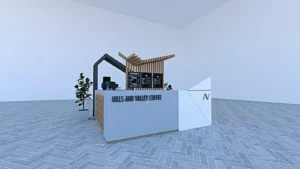
Investment: ₱495,000
Inclusions:
- 5 years franchise fee
- Full construction cost
- Franchisee training
- Operations manual
- Use of business name and logo
- 1 month worth of coffee supplies
- Espresso machine
- Grinder
- JTC blender
- Social media advertising (worth ₱3,000)
- Food delivery app application assistance
- POS (first 6 months subscription)
For inquiries: Mobile/Viber 0906 232 0168, email hillsandvalleyscoffee@gmail.com
The Deluxe Cart package is the ideal choice for entrepreneurs looking for a versatile and portable coffee business. Designed for high-traffic locations like malls and supermarkets, this fully furnished coffee cart allows you to bring premium coffee to busy customers with ease.
With the iconic Hills & Valleys Coffee logo displayed prominently, your cart will attract attention and create a welcoming coffee experience wherever you set up. Enjoy the freedom and flexibility to serve great coffee in dynamic locations while maintaining a professional and inviting ambiance.
For a deeper look at this format, see our coffee cart franchise guide.
Cafe Fit Out Package
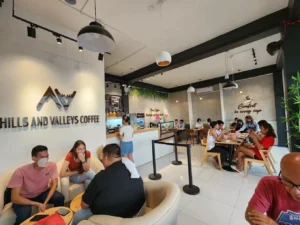
Investment: ₱495,000 plus construction cost
Inclusions:
- 5 years franchise fee
- Franchisee training
- Operations manual
- Use of business name and logo
- Social media advertising (worth ₱10,000)
- Food delivery app application assistance
- POS (first 6 months subscription)
- Espresso machine
- Grinder
- JTC blender
- Supplies and accessories
- 1 month worth of coffee supplies
For inquiries: Mobile/Viber 0906 232 0168, email hillsandvalleyscoffee@gmail.com
The Fit Out franchise package is ideal for those who want a compact coffee shop in outdoor locations like parks and tourist spots. This turnkey solution transforms a suitable space into a Hills & Valleys Coffee outlet.
Our team works closely with you from design to setup, ensuring a smooth process. Together, we'll create an inviting space that reflects the brand's style while maximizing efficiency and functionality. Bring your coffee shop vision to life with the Fit Out franchise package.
Store Package
Investment: ₱495,000 plus construction cost
Inclusions:
- 5 years franchise fee
- Franchisee training
- Operations manual
- Use of business name and logo
- Social media advertising (worth ₱10,000)
- Food delivery app application assistance
- POS (first 6 months subscription)
- Espresso machine
- Grinder
- JTC blender
- 1 month worth of coffee supplies
For inquiries: Mobile/Viber 0906 232 0168, email hillsandvalleyscoffee@gmail.com
The Store package is a great opportunity for entrepreneurs to build a thriving coffee shop in prime indoor locations like malls, supermarkets, business centers, and commercial buildings.
This package provides a spacious setup with a comfortable seating area, a dedicated coffee bar, and a selection of pastries and sandwiches to complement the coffee experience.
We offer full support, from site selection and interior design to sourcing high-quality equipment and staff training. The Store package is perfect for those who want to create a bustling coffee destination where customers can enjoy premium blends in a cozy and welcoming atmosphere.
Hills & Valleys at a Glance
Pros: No royalty fees. Lowest entry point among premium brands at ₱495,000. 5 km territory exclusivity. Continuing support after opening. Focus on underserved provincial markets where rent is lower and competition is thinner.
Cons: Smaller national footprint than Figaro or Bo's Coffee, so brand recognition is still building outside our existing regions. Fit Out and Store packages need construction budget on top of the package fee.
Best for: First-time franchisees who want premium positioning without a multi-million peso commitment, and who want to keep their full margin.
2. Pickup Coffee
Pickup Coffee opened for franchising in 2026 after building past 500 company-owned stores in the Philippines, plus more than 50 in Mexico. The brand is targeting 750 to 800 stores within the year, making it the fastest-scaling player on this list.
Franchise packages
- Kiosk - ₱1.7 million
- Outdoor cart - ₱2 million
- Cafe (50 to 80 sqm) - ₱3 million to ₱4 million
The investment covers the one-time franchise fee, cart construction, equipment, and initial stock. The company projects an 18 to 24 month payback period.
Pros: Strong brand momentum and heavy marketing spend. Proven store-level playbook across 500-plus locations.
Cons: Entry cost is roughly 3.4 times a Hills & Valleys Deluxe Cart for the same cart format. Rapid expansion means denser brand-on-brand competition in prime areas.
Best for: Investors with ₱1.7M or more who want to ride a national rollout.
3. Figaro Coffee
Figaro Coffee is a well-known brand in the Philippines, offering a variety of high-quality coffee, pastries, pasta, panini sandwiches, and salads. The brand provides multiple franchise models, allowing entrepreneurs to serve premium coffee in different settings.
Franchise models
- Full store (60 to 80 sqm) - serves the full menu. Contract term: 8 years, renewable every 4 years.
- Kiosk store (30 to 40 sqm) - offers a full line of beverages, pastries, and light meals. Contract term: 5 years, renewable every 5 years.
- Cart/kiosk (10 to 20 sqm) - focuses on beverages and pastries. Contract term: 5 years, renewable every 5 years.
Franchise inclusions. The total investment covers the franchise fee, site assessment, store design, construction, equipment, initial stocks, uniforms, and marketing materials.
For inquiries: (632) 706-0564, (632) 671-4232 loc 19, 63932-8468228, or franchise@figarocoffee.com
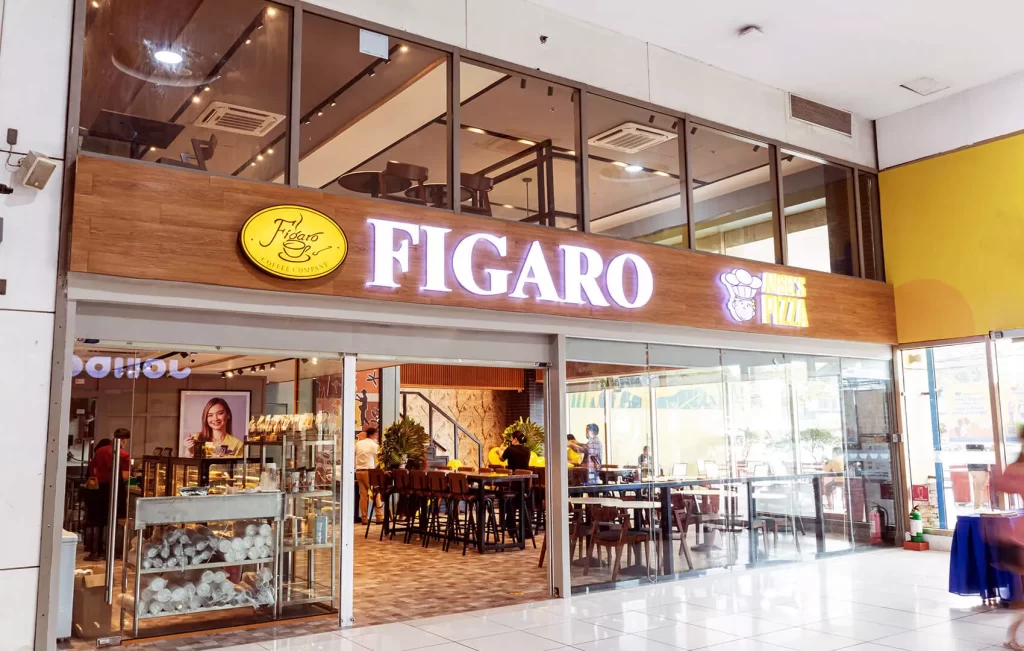
Image Source: Figaro Website
Pros: Decades of brand equity and a full food menu that lifts average ticket.
Cons: Royalty fees apply. Investment is quoted per site rather than published, which makes budgeting harder up front.
Best for: Operators who want a full-service restaurant-style cafe rather than a drinks-led store.
4. Bo's Coffee
Bo's Coffee is the established homegrown premium brand, sourcing beans from Sagada, Benguet, and other Philippine regions across more than 100 branches. It is also the most capital-intensive option here.
Franchise packages
- Franchise fee - ₱1.2 million to ₱1.5 million
- Inline full store - around ₱10 million all-in
- Stand-alone full store - around ₱15 million
- Stand-alone drive-thru - around ₱20 million
- Minimum space - 80 sqm
Pros: Deep national recognition and a credible local-sourcing story.
Cons: The ₱10M floor puts it out of reach for most first-time franchisees, and royalties apply on top. See our Bo's Coffee franchise alternative comparison if the capital requirement is the blocker.
Best for: Established investors building a multi-million peso flagship.
5. But First Coffee
But First Coffee has expanded rapidly, growing to 90 branches nationwide in just two years. The brand became popular during the pandemic by offering affordable, high-quality coffee while supporting local farmers.
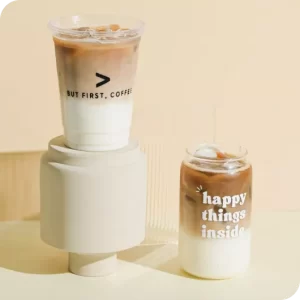
Franchise packages
- Indoor cart - ₱1,000,000
- Outdoor cart - ₱1,500,000
- Customized store - pricing based on design and space requirements
Franchise inclusions. Franchisees receive training, business name rights, marketing support, a POS system, supplies, equipment, and orientation on business permits.
BFC continues to expand, focusing on business districts, residential areas, and commercial hubs across Metro Manila and other key cities.
Pros: Clean minimalist branding with strong social media appeal.
Cons: An indoor cart costs ₱505,000 more than a comparable Hills & Valleys Deluxe Cart, and the brand is concentrated in Metro Manila.
Best for: Metro Manila locations targeting young office workers.
6. Farron Cafe
Farron Cafe started as a small business and has grown into one of the fastest-expanding coffee franchises in the Philippines, with over 600 outlets nationwide. The brand offers affordable gourmet coffee and competitive pricing compared to top brands.
Franchise options
- Cart - ₱168,000 to ₱699,000
- Kiosk - ₱224,000 to ₱879,000
- Full cafe - ₱280,000 to ₱1,200,000
Franchise inclusions. Franchisees receive mentoring, supplies, equipment, licensing, marketing assistance, and training in coffee preparation and business operations.
How to franchise
- Submit an application form with business details.
- Attend a meeting with the franchising team.
- Pay the franchise fee and sign the agreement.
- Get location approval and settle the remaining balance.
- Complete barista training and prepare for opening.
For inquiries: 0922 803 3322 or 8 294 0295, email franchisefarrongroup@gmail.com
Pros: The lowest entry cost on this list and a very large existing network.
Cons: Lower price points mean thinner margins per cup, so you need high daily volume to make the numbers work. With 600-plus outlets, territory density is a real risk.
Best for: Budgets under ₱300,000 in a genuinely high-traffic spot.
7. Coffee Spot
Coffee Spot offers a single all-in counter package aimed squarely at first-time business owners and returning OFWs.
Investment: ₱880,000, with no royalty fee and a 5-year term.
Inclusions. Store design, a 2-meter coffee counter, illuminated signage, menu display, espresso equipment set, cleaning supplies, marketing materials, ₱10,000 initial inventory, training, operational manuals, and two barista uniforms.
Pros: No royalty fees and a clear, published single price.
Cons: One format only, so there is no path to a larger store within the brand. The initial inventory allowance is modest at ₱10,000, against a full month of supplies in a Hills & Valleys package.
Best for: First-timers who want one simple number and no ongoing brand fees.
8. Palpitate Coffee
Located inside an indoor go-kart track in Taytay, Rizal, Palpitate Coffee offers a unique experience where customers can enjoy premium coffee alongside high-speed kart racing.
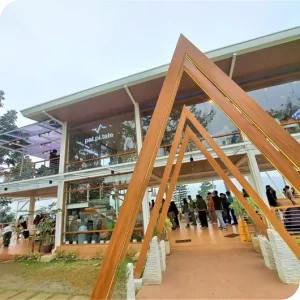
The shop features a minimalist ambiance, serving an extensive range of coffee options. Their signature Palpitate Blend is known for its rich cedar notes and balanced sweetness.
For franchise details and applications: palpitatecoffee.ph@gmail.com
Pros: A genuinely differentiated concept with a built-in destination audience.
Cons: The smallest network here, and franchise terms are not published, so everything is negotiated case by case.
Best for: Operators with an unusual venue and a high-caffeine niche in mind.
Start with Hills & Valleys from ₱495,000, with No Royalty Fees
Keep your full margin. No royalty fees for the entire 5-year term, unlike most brands on this list.
Own your area. 5 km exclusivity means no second Hills & Valleys branch competing with yours.
Support that continues after opening. Barista and staff training, marketing for our best-selling products, site visits, and business guidance for as long as you run the store.
Best Coffee Franchise by Budget
| Budget | Your options | Our pick and why |
|---|---|---|
| Under ₱500,000 | Hills & Valleys Deluxe Cart, Farron Cafe carts and kiosks, other budget cart brands | Hills & Valleys Deluxe Cart at ₱495,000. It is the only premium brand that now fits inside this bracket, and the only one here with no royalty and 5 km territory protection. Farron's carts start lower at ₱168,000, but at those price points you are buying volume economics, so the location has to do all the work. |
| ₱500,000 to ₱1.5M | Hills & Valleys Fit Out, Coffee Spot, But First Coffee indoor cart | A Hills & Valleys Fit Out at ₱495,000 plus construction, which puts a full branded store inside this band. But First's indoor cart costs ₱505,000 more than our Deluxe Cart for a comparable format, and Coffee Spot's single ₱880,000 package offers no path to a larger store. |
| ₱1.5M and up | Pickup Coffee, Figaro, Bo's Coffee, Hills & Valleys Store | Pickup Coffee if you want national brand momentum. A Hills & Valleys Store if you would rather put the same capital into a bigger build-out and keep every peso of margin instead of paying royalties on it. |
Cart vs. Kiosk vs. Full Cafe
The format decides your rent, your staffing, and how fast you recover your capital. Pick the format before you pick the brand.
| Cart | Kiosk / Fit Out | Full cafe / Store | |
|---|---|---|---|
| Typical investment | ₱168,000 to ₱2M | ₱495,000 plus construction, up to ₱1.7M | ₱1.2M to ₱20M |
| Space needed | 4 to 20 sqm | 20 to 40 sqm | 60 to 80 sqm and up |
| Staff per shift | 1 to 2 | 2 to 3 | 4 to 6 |
| Average ticket | Lowest, drinks only | Medium, drinks plus pastries | Highest, food and dwell time |
| Typical payback | 12 to 24 months | 18 to 30 months | 24 to 42 months |
| Best when | Foot traffic is heavy and people won't sit | You want a branded presence without full build-out cost | You are building a destination and a community |
Hidden Costs Nobody Quotes You
The package price is not your total capital requirement. Budget for these separately, because no franchisor includes all of them:
- Security deposit and advance rent - typically 2 to 3 months, plus a month advance. In a mall this can exceed ₱150,000 before you sell a single cup.
- Mall percentage of sales - malls often take a share of gross sales on top of rent, which comes straight off your margin.
- Business permits and registration - DTI or SEC, barangay clearance, Mayor's permit, BIR registration, fire safety inspection, sanitary permit, and staff health certificates. Our guide to starting a coffee shop business covers the full sequence.
- Construction and fit-out - quoted separately by most brands, including our own Fit Out and Store packages. Get a written estimate before you sign.
- Working capital - three to six months of operating costs. This is the single most common reason new franchises close early.
- Utility deposits and power upgrades - an espresso machine needs dedicated power, and older commercial spaces sometimes need rewiring.
- Renewal fees - ask what happens at the end of the term. Some brands charge a full new franchise fee at renewal.
Realistic Payback Math
Franchisors quote payback periods. Here is how to compute your own, using a Hills & Valleys Deluxe Cart as the worked example. Replace every number with your own site's figures.
| Line | Sample figure |
|---|---|
| Total capital in (package plus deposits, permits, working capital) | ₱700,000 |
| Cups sold per day | 90 |
| Average ticket | ₱140 |
| Monthly gross sales (90 cups, 30 days) | ₱378,000 |
| Less cost of goods at 38% | ₱143,640 |
| Less rent, staff, utilities, supplies | ₱155,000 |
| Less royalty (5% if the brand charges one) | ₱0 with Hills & Valleys, ₱18,900 elsewhere |
| Monthly net | ₱79,360 (₱60,460 with a 5% royalty) |
What This Means
At ₱79,360 a month, ₱700,000 of capital comes back in roughly 9 months. With a 5% royalty on the same sales, the same store takes about 12 months. That three-month gap is the royalty, and it repeats every year for the life of the agreement. Run this calculation on every brand you shortlist before you compare their brand names.
Key Factors to Consider Before Franchising a Coffee Shop
Franchising a coffee shop requires careful evaluation to ensure you're giving yourself a chance to succeed in this line of business.
While an established coffee shop brand provides built-in recognition, factors like location, costs, and operational requirements can significantly impact your return on investment.
Based on global standards in choosing the right coffee shop franchise, here are our top considerations before franchising a coffee shop.
Location and Market Demand
Fifty percent of success when starting a coffee shop lies in its location. Knowing the location spots where there is high foot traffic could help you increase the odds of new daily customers to your store.
High-traffic areas such as malls, business districts, and transport hubs can help attract consistent customers, while standalone locations may require aggressive marketing from both the franchisor and the franchisee.
So, before choosing a location, analyze customer behavior, competitor density within the area, and purchasing power within the target location.
If you're targeting office workers, focus on convenience and speed. If catering to a leisure crowd, prioritize ambiance and seating.
Generally, franchise agreements may restrict store placement, so it is best to consult your preferred franchisor, or ask questions during your franchise orientation.
Franchise Costs and Fees
Franchise investments vary widely, from small kiosks to full-scale cafes, requiring capital ranging from ₱300,000 to over ₱10 million.
Costs typically include the franchise fee, store setup, equipment, and initial inventory. On top of that, you'll have to look at ongoing expenses such as royalties, marketing fees, and operational costs that must be factored into profitability calculations.
Some franchises require revenue-sharing agreements, as with co-franchise contracts, which can impact net income.
Always request a breakdown of costs and projected earnings before signing a contract to assess financial viability. For a fuller breakdown by tier, see our guide to coffee franchise prices in the Philippines.
Brand Strength and Competitive Advantage
A well-known franchise benefits from an established brand presence, but market saturation, which is currently happening in the Philippines, can impact growth potential.
Research how the brand differentiates itself through premium coffee, unique menu offerings, or strong marketing support. Factor in all these, as they significantly impact you as a franchisee.
Competition may limit profitability if multiple franchise locations already exist in your target area. The best thing about some coffee shop franchises, like the case of Hills and Valleys Cafe, is that they only allow one franchise location within a radius of 5 km. This allows the franchisee to dominate the area without competing with other franchises of the same brand.
Also, compare how each franchisor supports franchisees in advertising, menu innovation, and customer engagement. A brand with strong local or international recognition has leverage and more significant advantages in stabilizing the franchise location, even if it's new in the area.
Training and Franchisee Support
Franchisors offer varying levels of training and operational assistance, which can help determine your store's efficiency, primarily with your barista staff.
Generally, and this must be part of any franchise requirement, coffee shop franchises offer barista training, inventory management guidance, and direct marketing strategies.
Some offer ongoing support, a key factor in the franchising model, while others provide only initial training. So, evaluate the franchisor's involvement in daily operations and whether it assists with troubleshooting issues.
Strong franchise support reduces operational risks and ensures consistent quality across all locations.
Operational Requirements and Staffing
Running a coffee shop requires hiring and training baristas, managing inventory, and maintaining consistent service quality. Some franchises have strict operational guidelines, including a supply chain system that requires specific suppliers and service procedures.
Labor costs, shift scheduling, and employee retention are critical factors in operational excellence. If the business model relies on high-volume sales, efficient workflow and quick service times are essential to achieve that.
Evaluate whether the franchise model aligns with your management style and your ability to oversee daily operations.
Long-Term Profitability and ROI
A franchise with a high initial investment must generate strong sales to ensure a reasonable return on investment. A good timeline is half the franchise agreement. So, if the franchise contract lasts only 5 years, the franchisee should get the investment back within 2.5 to 3 years.
Check franchise case studies and profitability timelines. Some coffee shop franchises break even within 2 to 3 years, while others take longer due to high overhead costs.
When estimating long-term earnings, consider market trends, potential menu expansions, and seasonal demand fluctuations. Our overview of coffee franchise trends in the Philippines covers where demand is heading.
How to Apply, and What to Ask Before You Sign
The application process is broadly the same across brands: submit a letter of intent and application form, attend an orientation, get your proposed location approved, pay the fee and sign, then complete training before opening. Most brands ask for a resume, two valid government IDs, and a vicinity map of your proposed site.
10 Questions to Ask Every Franchisor
- What is the total all-in cost, including construction, deposits, and permits?
- Is there a royalty fee, and what percentage of gross sales?
- Is there a separate marketing or advertising contribution?
- What territory protection do I get, and in what radius?
- How long is the term, and what does renewal cost?
- Am I required to buy supplies only from you, and at what prices?
- What support continues after the grand opening?
- Can I speak to three current franchisees, including one who is struggling?
- What were the actual monthly sales of your last three stores that opened?
- What happens if I want to sell or transfer the franchise?
Before investing, reach out to each franchisor to discuss requirements, profitability projections, and available store locations. If you want to compare against other industries first, see our roundup of the best franchise opportunities in the Philippines and food franchises under ₱1 million.
Frequently Asked Questions
How much does it cost to start a coffee shop franchise in the Philippines?
Franchise investments typically range from around ₱168,000 for the smallest carts to ₱20 million for a stand-alone drive-thru with an established brand. Most first-time franchisees land between ₱500,000 and ₱2 million. The Hills & Valleys Deluxe Cart is ₱495,000 all-in, while the Fit Out and Store packages are ₱495,000 plus construction cost, which varies with the size and condition of your space.
Which coffee shop franchise is most profitable?
Higher profit margins come from premium pricing, strong brand appeal, high customer retention, and low ongoing fees. Hills & Valleys Coffee franchisees typically see ₱40,000 to ₱100,000 per month depending on location and store size. Unlike budget brands that rely on low-cost drinks and high volume, Hills & Valleys focuses on premium specialty coffee where customers pay more per transaction, and charges no royalty, so more of that margin stays with the franchisee.
What is the cheapest coffee franchise in the Philippines?
Farron Cafe's entry cart starts at around ₱168,000, the lowest figure on this list. Be realistic about what that buys: low price points mean thin margins per cup, so the location has to deliver high daily volume for the numbers to work. Among premium brands, the Hills & Valleys Deluxe Cart at ₱495,000 is the cheapest entry, and with no royalty fee it keeps more of each sale than a lower-priced cart carrying ongoing brand fees.
Which coffee franchises have no royalty fees?
Hills & Valleys Coffee and Coffee Spot both charge no royalty. Between them, Hills & Valleys has the lower entry point at ₱495,000, three package formats instead of one, and 5 km territory exclusivity.
Is a coffee shop a good business in the Philippines?
Yes. The Philippine coffee industry is growing, with the specialty segment seeing strong demand. Hills & Valleys Coffee is positioned in the high-growth market of premium handcrafted coffee, appealing to millennials, professionals, and social-media-savvy consumers. With an increasing number of Filipinos willing to spend ₱150 to ₱250 per cup for high-quality coffee, a well-located franchise can generate consistent foot traffic and strong revenue.
How long does it take to get a return on investment?
ROI in coffee shop franchises typically ranges from 1.5 to 3.5 years depending on store format and location. Hills & Valleys Coffee franchisees can expect an ROI within 2 to 3 years, with high-traffic locations reaching profitability faster. A cart in a strong location, carrying no royalty, can return its capital in as little as 12 months. See the payback math above to run your own numbers.
Franchise or start my own coffee brand?
Franchise if you want a proven system, training, and marketing support from day one. Start your own brand if creative control matters more and you have the time to build recognition from scratch. Our guide to starting a coffee shop business compares both routes in detail.
Keep Reading
- Hills & Valleys coffee shop franchise - packages, inclusions, and how franchising with us works.
- Coffee cart franchise Philippines - the ₱495,000 Deluxe Cart in detail.
- Coffee franchise price Philippines - what each investment tier actually buys.
- How to start a franchise business - the application process, step by step.
- How to start a coffee shop business - permits, costs, and break-even math.
- Coffee franchise trends in the Philippines - where demand is heading in 2026.

Top Coffee Franchise Trends in the Philippines You Should Know (2025)
The coffee franchise industry is a lucrative business venture to start in 2025.
Poised to reach USD 2,061.1 million by 2030, the Philippine coffee market is forecasted to grow steadily.
The increasing awareness of specialty coffee and local varieties, combined with the expansion of many international cafe chains and local brands, creates strong market momentum, proving the growing opportunities available to aspiring coffee franchisees.
In this guide, we'll explore the top coffee franchise trends in the Philippines.
1. Growing Demand for Affordable Coffee Franchises
Low-capital has been an attractive option for Filipino entrepreneurs, especially in the food and beverage industry, where we typically want "sulit" (value for money) as practical consumers.
With more budget-conscious consumers come coffee shops that meet these demands by actually offering more affordable coffee options without compromising taste or presentation.
With that, the shift and coffee franchise trend are driving the popularity of low-cost coffee franchise models, which attract more Filipinos to take part in the business ecosystem instead of taking the risk of starting their own brand (as they rely heavily on the existing franchise system)—overall increasing the demand for the entire Philippine coffee franchising industry.
More local brands popular in the coffee franchising industry have paved the way for aspiring entrepreneurs to venture into business—the likes of Hills and Valleys Coffee, which offer affordable yet quality coffee franchise packages. For instance, their Deluxe Cart option combines low capital with a flexible mobile setup suited for malls, food parks, or high-traffic areas.
With simplified operations, strong brand support, and affordable coffee franchise packages, entrepreneurship in the area of coffee franchising is now more accessible.
2. Shift to Grab-Friendly and Delivery-Ready Franchises
Coffee shops without online operations through food delivery apps will miss out on a large segment of the market. As consumer behavior has shifted toward convenience and on-demand access, being absent from major food delivery platforms means less visibility for the brand, especially among younger, tech-savvy customers (e.g., Gen Z).
In response to that, coffee shop franchisors have embedded these online operations into their systems, having:
- Take-out only stores - optimizing compact locations for speed and minimal interaction - but expecting daily high-volume sales.
- Cloud cafés - delivery-only branches with no dine-in, that are focused on getting online orders, which lessens some overwhelming operational costs
- App integrations during grand openings - easy registration and integration with popular food delivery apps such as GrabFood, Foodpanda, and Ordermo—giving franchisees an additional store-like customer acquisition channel.
The scalable, low-touch formats of online deliveries have become a standard for coffee consumption in the Philippines. While I personally consider it still a trend, expect new players in the food delivery industry and new methods to serve better and more of our digital-first consumers (e.g., students, office workers, and urban dwellers).
3. Expansion in Non-Metro Areas
Coffee franchises are no longer confined to Metro Manila's prime areas. Many entrepreneurs are starting their own franchise stores in other major places across the Philippines (e.g., Cebu, Davao, Pampanga, and Bacolod).
The beauty of bringing solid coffee franchises to your local region is leveraging the "first-mover advantage," where the first to start a coffee shop within your area typically sets the tone for the target market.
Other advantages, such as lower competition compared to the tens of coffee shops in NCR and rising spending power in provincial cities (as more job opportunities are being opened in developing provinces), top it off.
Franchisors who offer location-flexible packages and local-specific marketing strategies are more likely to succeed in opening new stores in this trend, as more Filipino entrepreneurs want to bring a new taste of coffee to their hometowns.
4. Rise of Niche and Themed Coffee Franchises
Price is only one part of the equation that sets the stage for coffee franchises. Beyond affordability, many cafés now offer a unique vibe, theme, or story to their stores' interior design/concept, bringing a holistic experience that connects deeply with their customers.
Here are popular theme trends in coffee shops in the Philippines:
- Taylor Swift-style cafés with pastel interiors, lyric quotes, curated playlists (and other celebrity-themed cafes).
- Korean minimalist cafés with clean aesthetics and soft lighting
- Book cafés, bikers cafés, pet cafés, and plant-themed cafés for people's interests and targeted communities
- Matcha or single-origin-focused menus catering to more sophisticated consumers
These niche and themed coffee franchises attract many young generations as they can capture Instagram-worthy memories and are designed to bring vloggers effortlessly to the store. And with this trend, it is easier for coffee shops to stand out in the crowded market.
5. Local Brands Rising Against Global Giants
While global players like Starbucks, Tim Hortons, and The Coffee Bean & Tea Leaf still dominate major cities and high-end markets in the Philippines, local coffee brands like Hills and Valleys Coffee are catching up fast, playing into their strengths of affordability, community connection, menu customization, and innovation.
Unlike global coffee giants, homegrown brands understand the local palate and can experiment faster with flavors that international brands may not offer quickly. This helps them freely adapt to social trends and capture a bigger market share even within a tighter geographical area.
The shift toward patronizing local brands continues to gain ground as Filipino consumers become more socially engaged and fanatics of what is local—for instance, they are more fans of beverages where ingredients are locally sourced (e.g., coffee beans).
6. Loyalty Programs and Mobile Apps Are Becoming Standard
In starting a coffee shop business, one of the basic and effective ways to grow a café is by focusing on retaining customers, which means you develop strategies that will entice people to visit your store more often.
One of the effective promotional marketing strategies is using rewards and loyalty programs. It may feel like a basic strategy but I still find many coffee shops do not use this extensively.
Startup cafés usually start with digital stamp cards to encourage repeat orders. Mid-sized and established brands take a more advanced route: creating their loyalty app or user-friendly software.
Coffee franchisees benefit from these customer retention-centric strategies as they get to have:
- Repeat business driven by point systems and member perks (obvious benefit)
- Customer data tracking to improve offers, create new beverages that match customers' interests
- Push notifications to promote new products, bundles, or promos.
This kind of digital behavior is standard (and rising) due to widespread smartphone use and GCash-linked promos, so localizing any loyalty features will give franchises an edge, especially among younger consumers.
7. Sustainability as a Selling Point
Most consumers now factor in sustainability when choosing coffee shops to stay at. And for coffee franchises who consider using eco-friendly cups, offering reusable discounts, or sourcing locally-roasted beans would find their cafés appealing to Gen Z and socially conscious buyers.
Sustainability is a coffee franchise trend that benefits consumers (who participate in a social cause) and coffee brands (who reduce fixed costs for cups and connect their products to community-based initiatives).
8. TikTok-Driven Menu Trends
Data is the new oil, but only if you know where to use it.
The best part with coffee brands is that they can now leverage social media as part of their research and development effort to ride the waves for new flavors.
Below are a couple of ways where coffee franchises can take advantage of TikTok's interest in coffee:
- Launch limited-time flavors based on viral drinks with high visual appeal.
- Encourage customers to film drink-making (that are typically based on how visually appealing the new flavors are)
- Use hashtags to promote UGC (user-generated content) that will capture new customers for both new products and best-sellers.
There is a caveat to this: learning how to embrace the culture to create more organic visibility for your brand while still focusing on your core strengths as a coffee shop is a balance of both skills that can help you thrive in the coffee industry.
Ready to Ride the Trends? Start with a Scalable Franchise
Hills and Valleys Coffee is one of the rising coffee franchise companies that offer flexible franchise options - from mobile carts to full café setups - designed to match the needs of future Filipino entrepreneurs.
Learn more about starting your own coffee shop franchise with Hills & Valleys Coffee.
Coffee Franchise Cost in the Philippines [2025 Breakdown & Examples]
How Much is a Coffee Shop Franchise in the Philippines?
The coffee franchise price range in the Philippines starts at ₱100,000 and goes up to ₱1.5 million and above.
Coffee Franchise Price Range in the Philippines
Here's a breakdown of three standard pricing tiers for coffee franchises.
Low-Tier Coffee Franchises (₱100,000 to ₱500,000)
Low-tier coffee franchises are budget-friendly and usually serve as an entry point for new entrepreneurs looking for affordable cafe packages. The primary focus of their operations is to achieve high-volume sales with low overhead costs, thereby generating more monthly profits.
Key Features:
- Business format: Small coffee kiosks, food carts, or mobile setups
- Menu: Basic hot and iced coffee, minimal customization
- Location: Markets, terminals, school areas, and community spaces
- Support: May include basic training and branding, but setup is often handled by the franchisee
- Inclusions: Coffee equipment, starter inventory, and signage
Ideal For: First-time business owners or those testing the coffee market with low risk and quick setup.
Mid-Tier Coffee Franchises (₱500,000 to ₱1.5 million)
Mid-tier coffee franchises are the most popular option for entrepreneurs who want a balance between cost and value, not too pricey, yet suitable enough to have robust support, modern branding, and a more comprehensive business system.
Key Features:
- Business format: Coffee kiosks or compact café-style shops
- Menu: Wide drink selection, including blended coffee, cold brews, and specialty drinks
- Location: Inside malls, commercial buildings, or neighborhood hubs
- Support: Franchisee training, operational manuals, soft opening assistance, and supplier access
- Inclusions: Full coffee setup, signage, small construction, uniforms, and marketing materials
Ideal For: Entrepreneurs looking to operate a branded coffee business with professional systems in place, while keeping the investment below ₱2 million.
Premium Coffee Franchises (₱1.5 million and above)
Premium coffee franchises are for investors with more capital and those who want a full-service café experience. You can expect a well-known brand to offer this type of franchise package, providing complete turnkey solutions.
Key Features:
- Business format: Full dine-in coffee shops with custom design and layout
- Menu: Complete food and beverage offerings, from espresso-based drinks to sandwiches and desserts
- Location: High-traffic malls, lifestyle centers, central business districts
- Support: End-to-end setup, from site selection and construction to staff training and national marketing
- Inclusions: Premium coffee machines, high-end furniture, full kitchen, branded interiors, digital menu boards
Ideal For: Business owners or investors who aim to build a large-scale operation with strong brand backing and a complete café experience.
💡 Planning to start your own coffee business? Learn the exact steps, legal requirements, and startup tips in our guide on how to start a franchise business in the Philippines.
What Is Included in the Coffee Franchise Price?
Starting a coffee franchise in the Philippines involves more than just buying the brand name. The total franchise cost usually includes several key elements. Understanding each of these cost factors can help you assess the actual value of your franchise investment.
Franchise Fee
If you're not familiar, the franchise fee is the initial payment you pay (required) to join a coffee franchise. It gives you the legal right to operate under the brand's name, use its business model, and access its operational systems, including coffee preparation protocols, POS system usage, staff scheduling, and training and onboarding systems.
In other words, your franchise fee is your official entry point into the franchise system.
While franchise fees vary depending on the coffee franchisor you're engaging, the fee typically includes:
- Trademark rights - use of the company's name, logo, and branding.
- Business model access - proven systems for running operations, serving coffee, and managing staff.
- Manuals and guides - SOPs that cover every part of the business.
Most coffee franchisors will require you to pay franchise fees upfront, and these fees are generally non-refundable. It is also a one-time cost within a specified timeline (2 years, 3 years, or 5 years), with renewable fees of half the total franchise fee if you choose to renew after the franchise term.
In the Philippines, coffee franchise fees will depend on the brand's popularity and existing capabilities:
- ₱100,000–₱400,000 for smaller or emerging local brands
- ₱450,000–₱800,000 for mid-sized (established) local brands
- ₱800,000–₱1 million+ for well-known national or global chains
You'll find lower franchise fees for smaller or emerging local coffee brands, as they typically have fewer inclusions and less brand recognition. Conversely, higher costs are expected from well-known, established brands with a strong market presence, such as Bo's Coffee.
My recommendation is always to check what the franchise fee covers before signing a formal agreement with the franchisor. Ask as many relevant questions as you can to help you assess whether the franchise fee is worth your investment.
Equipment and Setup Costs
You can't run a cafe without its major equipment, such as espresso machines.
Generally, coffee franchisors will provide you with the basic equipment you need to operate your coffee shop as part of your franchise fee. Others would charge additional fees if you want to upgrade to better equipment. This is primarily the case if the franchisor sees that your location has high traffic, which means you need a solid espresso machine, such as a 2-group espresso machine, to cater to a long line of customers.
What equipment is typically included in franchise fees?
- Espresso machines (single or double group heads)
- Coffee grinders
- Milk frothers and blenders
- Knock boxes and tamping tools
- Basic POS system
- Cash register
- Receipt printer
For coffee franchises that offer drip coffees (and other types of coffee), they usually provide drip brewers or French presses.
What is typically not included in franchise fees?
- Refrigerators for milk and perishables
- Freezers for ice and frozen items
- Storage racks and dry goods shelving
- Digital POS terminal
- Construction and store setup
- Utilities and installations
Inventory and Supplies
Before your store's grand opening, you need to have an inventory of supplies, which includes ingredients, packaging, and cleaning materials.
Most coffee franchisors in the Philippines, like those offering our coffee franchise packages, provide a starter inventory kit designed to last for about a month of operation.
What's typically included in the initial inventory:
- Coffee beans or ground coffee (house blend or signature roast)
- Milk, cream, and milk alternatives
- Flavor syrups (e.g., caramel, hazelnut, vanilla)
- Sugar, sweeteners, and powdered drink mixes
- Non-coffee ingredients (such as teas and pastries).
- Packaging and serving materials (hot and cold branded cups, lids, straws, stirrers, napkins, cup sleeves, takeout bags, and boxes)
- Uniforms and other store items (branded aprons, shirts, name tags, hairnets, etc.).
As mentioned earlier, the starter kit covers a 30-day period. After the first month, you will need to reorder supplies on a regular basis.
As a general rule, franchisors typically require you to order from their central hub (warehouse) or from accredited suppliers to ensure consistency in quality and taste.
One upside of Philippine coffee franchising is that most franchisors provide tracking tools or reorder schedules to help maintain stable operations and avoid running out of stock.
Training and Support
One of the primary reasons aspiring entrepreneurs enter coffee franchising is that there is an established training process. It's one of the more tedious options if you want to create your startup's brand - in the case of franchising, it's an obvious advantage.
Additionally, the franchisor provides services such as hiring, onboarding, and training your baristas to prepare products according to their coffee preparation guidelines.
Obviously, you need good training to expect consistency in quality and customer service for your franchise store, especially for franchisees who still have full-time jobs and rely on their baristas and store managers to run the business. The idea is that the cafe must run sustainably, given the strong staff training.
What's included in franchise training:
- Barista skills training (how to use espresso machines and other equipment, step-by-step drink preparation, milk steaming, pouring, and presentation)
- Customer service training (handling orders, managing wait times and complaints, and upselling techniques)
- Store operations (opening and closing procedures, use of POS systems, inventory management, and daily reporting)
- Staff management (hiring guidelines, scheduling shifts, maintaining cleanliness, and hygiene standards).
- Food safety and compliance
Most initial barista training programs last between 3 and 7 days, depending on the menu offerings and the complexity of the operation. For mid-sized to established local brands, training is often held at the brand's headquarters or a franchisee's store.
Those are mostly what you'll expect from franchisee training - before and during your store's grand opening. And for ongoing support after opening, coffee franchisors must provide continued assistance to ensure franchisees operate smoothly.
Regular store visits and performance audits help staff and baristas maintain the quality of both coffee and customer service. Local marketing campaigns tailored to the franchisee's location and target audience must also be regular to bring in new customers to the store.
Marketing Campaigns
The need to market the store is still expected, even for established brands, as marketing helps generate more customers and build brand awareness to consistently bring in new sales at both national and local levels.
Coffee franchisors in the Philippines often include marketing expenses either as a one-time fee in the franchise package or as a recurring monthly charge.
For local franchise stores, the marketing fund is used for grand opening events, flyers, posters, point-of-sale materials, and digital marketing campaigns aimed at targeting potential customers within the geographical area.
Given the brand's strong and established reputation and advertising power, potential coffee franchisees can expect to have brand recognition among customers, resulting in a consistent flow of traffic to their stores.
Looking for a Practical and Profitable Option?
If you're exploring coffee franchises that balance affordability with brand quality, Hills & Valleys offers a smart entry point. With packages starting at ₱490,000, we provide a complete kiosk setup, barista training, marketing support, and operational guidance - everything you need to get started strong.
Schedule your free franchise orientation today.
18 Best Coffee Shops in the Philippines
Are you on the hunt for the best coffee shops in the Philippines?
This article explores the vibrant coffee scene in the Philippines, highlighting top coffee shops known for their exceptional brews, cozy atmospheres, and delicious treats.
Discover rich flavors and aromatic blends from some of the best coffee spots in the country.
18 Best Coffee Shops in the Philippines
1. Hills & Valleys Cafe - Lower Bicutan, Taguig and SJDM Bulacan
Two Branches: SJDM Bulacan and Lower Bicutan, Taguig
Lower Bicutan Taguig
Store Address: Ebarlyn, Unit 2, 8 General Santos Ave, Lower Bicutan, Taguig (near DOST and PUP Taguig)
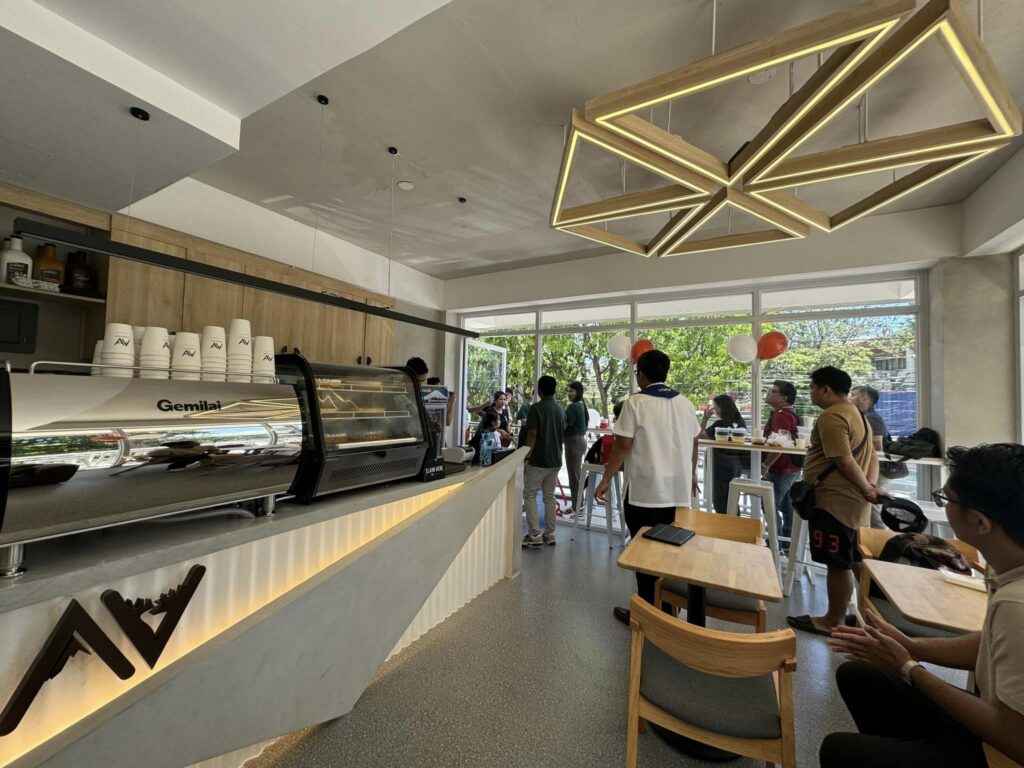
SJDM Bulacan
Store Address: 2nd Floor MMC Building Blk.20 Lot.1 Teacher’s Village Area H, San Rafael 1, San Jose del Monte City, 3023 Bulacan

Hills & Valleys Cafe, located in Bulacan, is the go-to spot for premium coffee and an Instagram-worthy experience. Known for its bestselling Vietnamese and Spanish Lattes, the cafe delivers top-quality brews in a cozy setting.
With the tagline "You coffee through ups and downs," Hills & Valleys Cafe aims to be Bulacan’s most loved coffee brand.
The cafe offers a peaceful space for relaxation and reflection, making it ideal for a quick escape from a busy day. Guests are welcomed by friendly baristas and a warm ambiance, ensuring a refreshing coffee break. A short visit—just 30 minutes to an hour—can help customers recharge and enjoy a moment of calm.
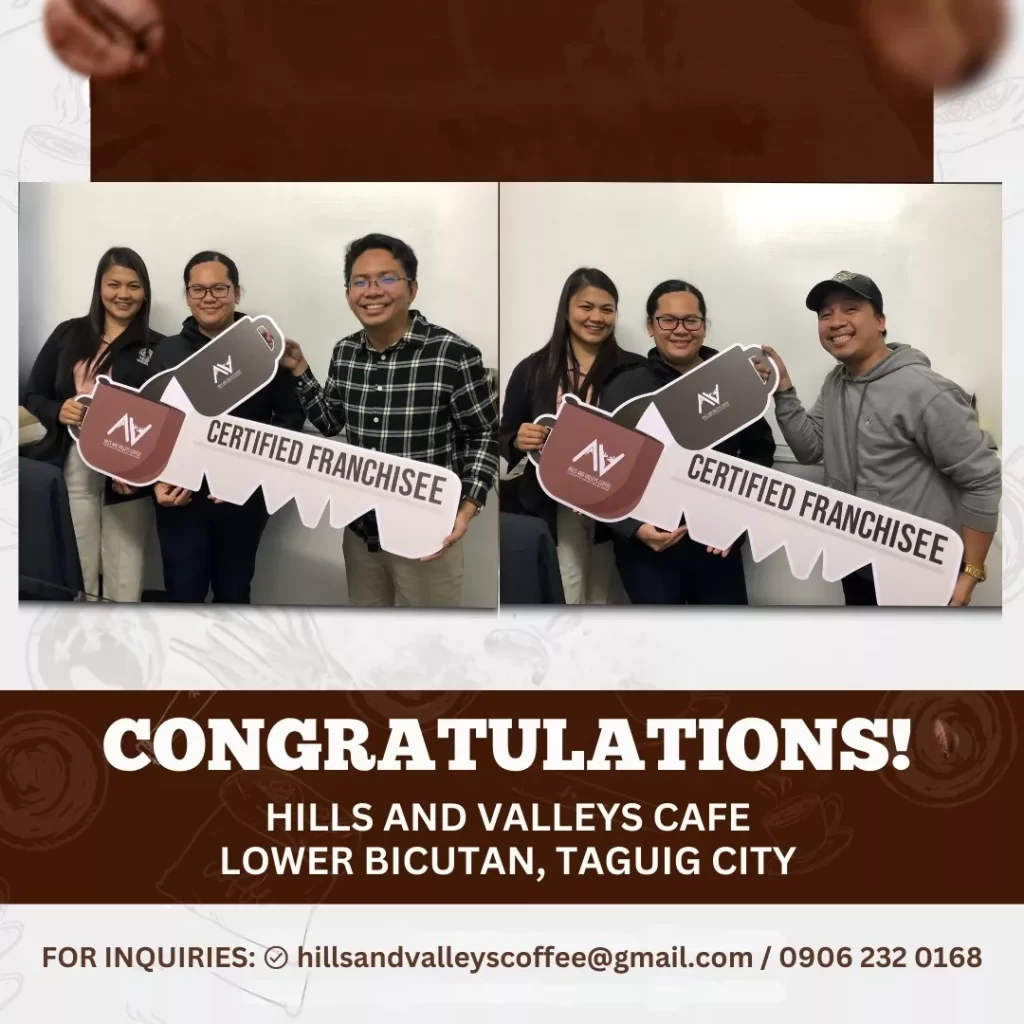
Hills & Valleys Cafe offers a diverse selection of beverages to suit every taste. Coffee lovers can enjoy expertly crafted lattes and Americanos, while non-coffee drinkers can choose from the best-selling Frosted Hills® drinks in flavors like Strawberry, Dark Chocolate, Caramel, and Peppermint.
Whether you're a coffee enthusiast or just looking for a refreshing drink, there's something for everyone.
Conveniently located near a school and within the community, the cafe is easily accessible to students, professionals, and residents. It’s a perfect spot for studying, unwinding, or catching up with friends—one of the many reasons customers keep coming back.
Hills & Valleys Cafe is more than just a coffee shop; it’s a growing brand. They now offer coffee shop franchise opportunities, inviting others to bring their signature coffee experience to new locations.
4.8+ Review From Satisfied Customers
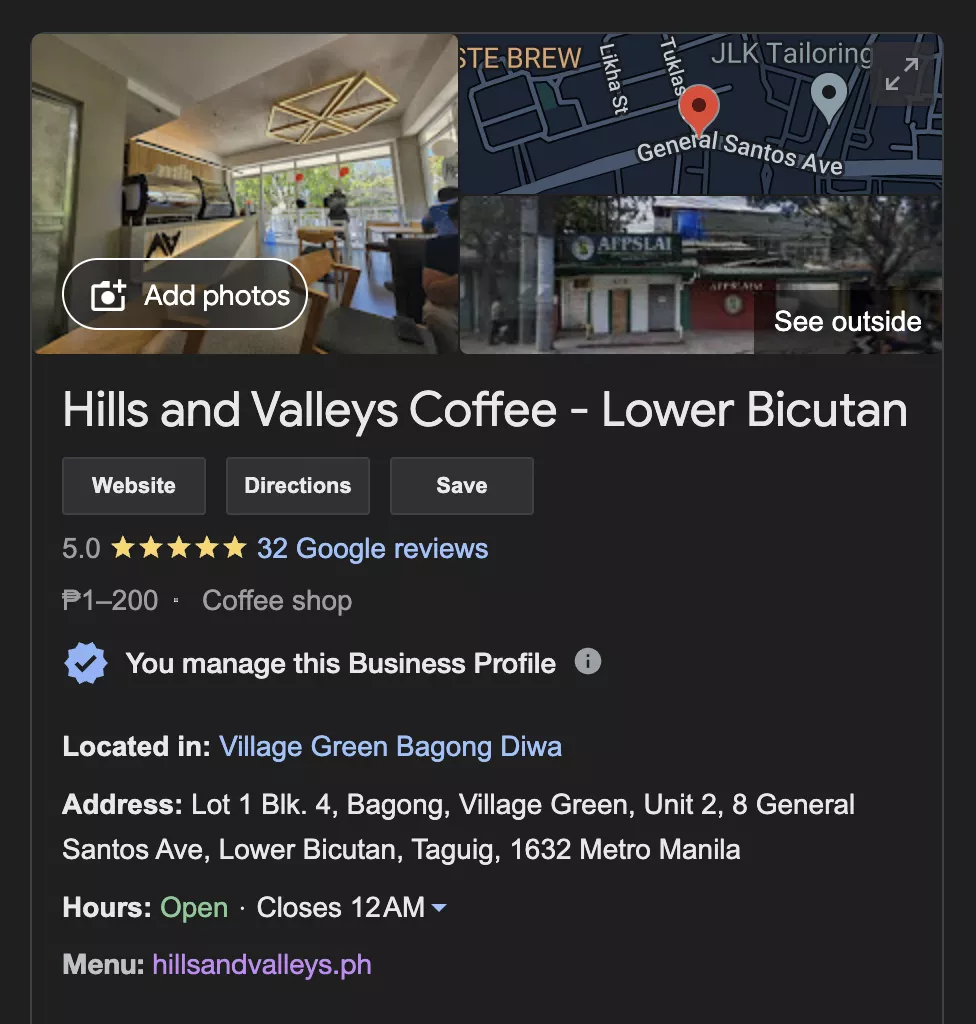
At Hills & Valleys Cafe, customer satisfaction is the top priority. Every positive review is a testament to the trust and confidence placed in the cafe’s products and service, and the team deeply appreciates each one.
All feedback—whether praise or constructive criticism—is valued as an opportunity to improve. The team is committed to enhancing operations, refining service, and ensuring that every visit feels warm, inviting, and memorable.
From first-time visitors to loyal patrons, every customer’s voice matters. Hills & Valleys Cafe is dedicated to serving delicious drinks, flavorful food, and delivering excellent service. The team looks forward to welcoming guests again soon and continuing to exceed expectations with every cup and every meal.
2. Kaulayaw Coffee
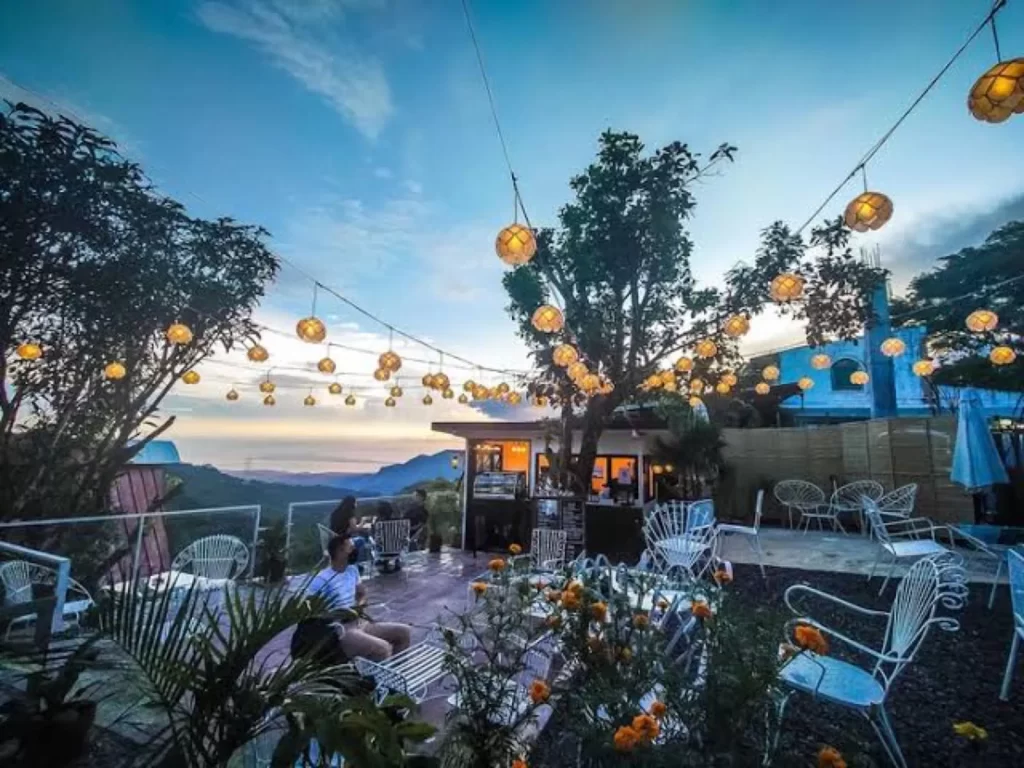
Source: Lemi
Antipolo, known for its breathtaking views, is home to numerous cafes and restaurants, with Kaulayaw Coffee standing out as a favorite among locals and visitors alike. Perched along the picturesque Antipolo Ridge, this homegrown café has gained a strong following for its commitment to locally sourced coffee and a relaxing open-air dining experience.
The name "Kaulayaw" translates to "close companion", reflecting the café's goal of creating a warm, inviting space where guests can unwind over a cup of ethically sourced coffee or a bottle of local craft beer. Located along Sumulong Highway, the café offers stunning views of Rizal’s lush landscapes and the bustling Metro Manila skyline, making it a perfect stop for road trippers and coffee enthusiasts.
More than just a coffee shop, Kaulayaw Coffee supports local entrepreneurs and farmers, serving premium coffee made from Sagada, Benguet, and its signature Kaulayaw blend. For those who want to bring home a taste of Kaulayaw, the café offers coffee pouches and brewing accessories for sale.
The thoughtfully designed interiors give off a cozy Baguio or Tagaytay-inspired ambiance, adding to the café’s charm. With an open-air dining area on the third floor, guests can enjoy fresh air while indulging in their favorite brews—an especially appealing option in the post-pandemic era, where many prefer open spaces over enclosed malls.
Kaulayaw’s menu goes beyond just coffee, featuring a mix of Filipino favorites and international flavors. Morning staples include suman, cheese rolls, ensaymada, and pancakes, while more substantial options like sandwiches, rice bowls, and pasta dishes cater to diners from breakfast to early afternoon.
A few standout dishes that set Kaulayaw apart from traditional Filipino breakfast cafés include:
- Kaya Toast with Soft-Boiled Egg (P159)
- Herb Avocado Toast with Egg, Dill & Tomatoes (P289)
- Roti Pancake with Banana (P159)
- Okonomiyaki (P189)
- Salmon Pasta with Tomato Cream Sauce (P249)
While the menu remains relatively small, the quality and unique offerings make up for the limited selection. Some non-pork options tend to sell out quickly, but the chicken satay dish and overall café ambiance leave a lasting impression.
One of the biggest surprises at Kaulayaw Coffee is its local craft beer selection, featuring brands like Nipa Brew, Crazy Carabao, and Alcalde Brewery (a Cainta-based craft beer brand launched in 2020). Unlike many tourist-heavy spots in Manila or Makati, where a bottle can cost over P250, Kaulayaw’s craft beers are priced between P148 to P178, offering a great value for beer lovers.
Despite concerns over potential traffic congestion in the area, especially with the soon-to-open Starbucks The Ridge nearby, Kaulayaw Coffee continues to thrive. As more people seek scenic escapes close to Metro Manila, this café has carved out a reputation as a must-visit destination for coffee lovers, food enthusiasts, and weekend wanderers alike.
Whether you're enjoying a slow morning with a hot brew, indulging in a hearty meal, or unwinding with a bottle of craft beer as the sun sets, Kaulayaw Coffee delivers an experience that’s more than just a café visit—it’s a moment of relaxation and connection.
3. Bag of Beans
Source: A Not So Popular Kid
Bag of Beans in Tagaytay offers fresh pastries, hearty meals, and rich coffee. The cool weather makes it a perfect spot for a relaxing meal or coffee break.
Founded in 2000 as a small, family-owned café, it started with freshly baked bread, barako coffee, and Alamid coffee. The café quickly became popular, leading to expansion across Tagaytay. Despite its growth, it maintains a cozy garden setting and continues to serve high-quality food and drinks.
What to Try
- Shepherd’s Pie – Layers of savory ground meat and creamy mashed potatoes, baked to perfection.
- Roast Beef – Served with gravy, vegetables, and mashed potatoes.
- Brick-Oven Pizza (18") – Choose two flavors in one hand-tossed pie:
- Quattro Formaggi
- Hawaiian
- Shrimp Alfredo
- Garden Fresh Pizza
- Philly Cheese Steak
- Supreme Special
Bag of Beans remains a top choice for those seeking great coffee, delicious meals, and a relaxing ambiance in Tagaytay.
4. Starbucks
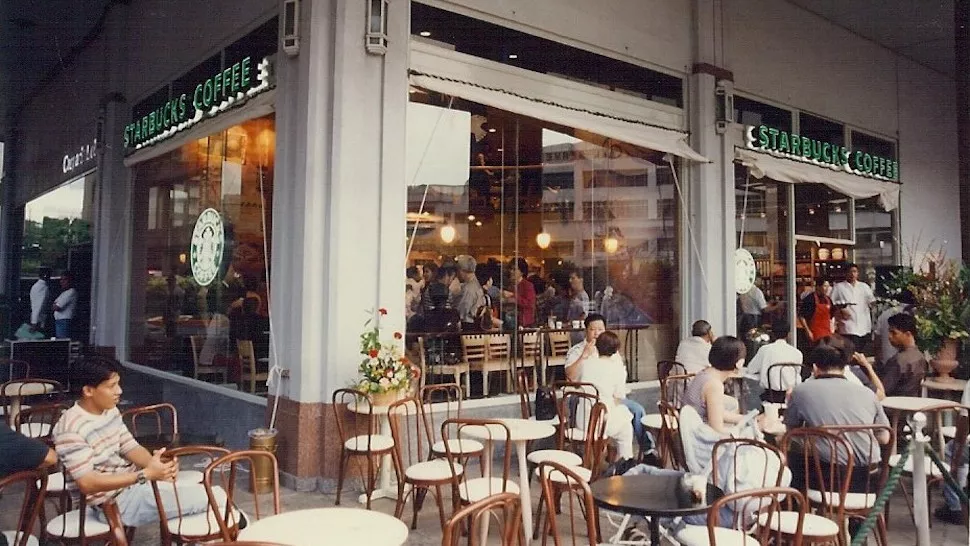
Source: Esquirre
Starbucks Coffee Philippines is one of the most recognized coffee chains in the country. Established in 1971 in Seattle, Washington, Starbucks has grown into a global brand with over 23,000 locations worldwide. The Philippines became its third international market outside North America, with the first store opening on December 4, 1997, at 6750 Ayala Building, Makati City.
Menu Highlights
Starbucks offers a wide selection of espresso-based drinks, brewed coffee, hot chocolate, and tea lattes. It is best known for its customizable Frappuccino blended beverages, with over 36,000 possible combinations. Aside from drinks, the menu includes breakfast meals, sandwiches, salads, cakes, and pastries.
Starbucks is known for its welcoming atmosphere and strong customer connection, making it a perfect fit for Filipino culture. With thousands of stores worldwide, it continues to be a leading specialty coffee retailer, committed to delivering a great coffee experience in every cup.
5. The Coffee Bean and Tea Leaf
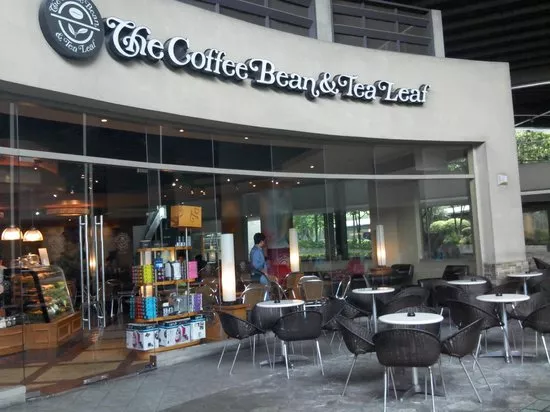
Source: Tripadvisor
Coffee Bean & Tea Leaf (CBTL) is a well-loved international coffee chain, known for its signature Ice Blended Coffee drinks. Established in 1963 in California by Herbert B. Hyman, CBTL introduced the world’s first cold blended coffee, setting a new trend in the coffee industry.
What’s on the Menu?
CBTL offers a wide selection of espresso-based drinks, classic coffee options, and tea lattes. Beyond coffee, customers can enjoy:
- Ice Blended Tea and Fruit Smoothies
- Non-coffee beverages
- Breakfast meals, sandwiches, pasta, salads, and pastries
More than just coffee, CBTL provides a warm and inviting space, making it a go-to spot for coffee lovers in the Philippines. Whether for a quick caffeine fix or a full meal, CBTL continues to be a top choice for those looking for quality drinks and great food.
6. Tim Hortons
Source: Tripadvisor
Tim Hortons is a well-known Canadian coffee and donut chain that made its way to the Philippines in 2017. Named after hockey star Tim Horton, the brand started with burgers before evolving into a go-to coffee destination.
Signature Drinks & Menu Offerings
Tim Hortons is best known for its Original Blend coffee. A popular choice is the "double-double", a rich mix of coffee with two shots of cream and sugar. Alongside its coffee, the menu features:
- Teas, hot and cold beverages
- Breakfast items
- Sandwiches, wraps, and salads
- Soups, snacks, and baked goods
Since its launch, Tim Hortons has gained a loyal following in the Philippines, offering a taste of Canada’s coffee culture with a menu that caters to both coffee lovers and food enthusiasts.
7. Seattle's Best Coffee
Source: Tripadvisor
Seattle’s Best Coffee, originally an ice cream and coffee shop in the 1970s, has grown into a well-loved brand for coffee enthusiasts. Though it joined the Starbucks family in 2010, it maintains its distinct identity with a focus on quality coffee and a welcoming atmosphere.
What’s on the Menu?
Seattle’s Best Coffee offers a variety of classic coffee favorites, including:
- Americano
- Cappuccino
- Latte
- Hot Mocha
Beyond coffee, the menu features:
- Breakfast options
- Pasta dishes
- Sandwiches and salads
- Pastries
A Signature Drink: The Javakula
Seattle’s Best Coffee is known for its trademarked Ice Blended Javakula, a refreshing coffee-based drink that has become a brand favorite worldwide.
With its rich coffee blends and satisfying food choices, Seattle’s Best Coffee continues to be a top spot for those looking for great coffee in a cozy setting in the Philippines.
8. UCC Coffee
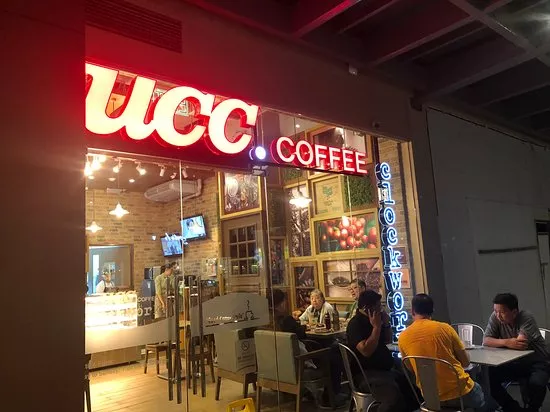
Source: Tripadvisor
UCC Coffee, a respected name in specialty coffee, brings Japanese coffee culture to the Philippines. Founded in 1951 by Tadao Ueshima, known as the "father of coffee" in Japan, UCC expanded to the Philippines in April 2014, introduced by businessman Hubert Young.
UCC Coffee blends Western and Japanese influences, offering a menu that includes:
- Breakfast dishes
- Sandwiches and salads
- Entrees and pasta dishes
- Desserts
UCC is known for its carefully crafted coffee, catering to different preferences:
- Espresso-based drinks for bold flavors
- Iced coffee creations for a refreshing choice
- Coffee and ice-blended cream drinks for indulgence
A standout is the UCC Special Blend, brewed using the siphon method, delivering a perfectly balanced and refined cup.
With its commitment to quality and craftsmanship, UCC Coffee remains a top choice for those seeking premium coffee with a distinct Japanese touch in the Philippines.
9. Bo’s Coffee
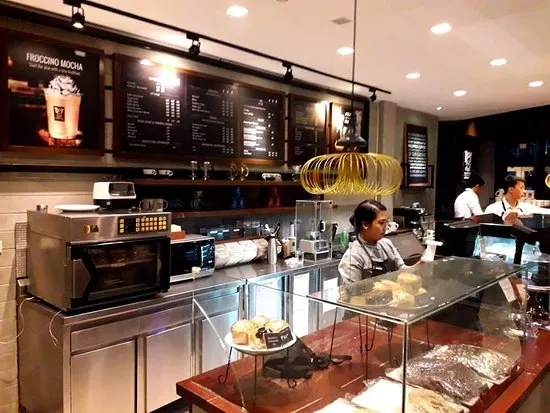
Source: Tripadvisor
Bo’s Coffee is a proudly homegrown coffee brand that has built a strong following in the Philippines. Founded in 1996 by Steve Benitez in Cebu City, it has grown to 91 locations nationwide, offering a coffee experience rooted in Filipino culture and craftsmanship.
Bo’s Coffee highlights Philippine coffee heritage through its Coffee Origins blends, featuring beans sourced from:
- Sagada
- Benguet
- Mt. Kitanglad
- Mt. Apo
- Mt. Matutum
Each blend reflects the unique flavors of its region, showcasing the country’s rich coffee-growing tradition.
Bo’s Coffee offers a wide selection of drinks, including:
- Espresso, Americano, Cappuccino, Mocha, and Latte
- Iced Blended Coffee and Non-Coffee Beverages
- Brewed Coffee Using Pour-Over or French Press Methods
With its commitment to local coffee and high-quality brews, Bo’s Coffee remains a top choice for those seeking an authentic and uniquely Filipino coffee experience.
10. St. Marc Cafe
Source: Tripadvisor
St. Marc Café is a Japanese specialty bakery and café known for its premium coffee and artisanal desserts. Originally launched in Singapore in 2012, it arrived in the Philippines in 2014, brought by Ben Chan. Today, it has 16 outlets across Southeast Asia, including locations in Metro Manila.
While best known for its choco-based desserts, St. Marc Café also offers a selection of Japanese and international coffee favorites, including:
- Matcha Latte
- Vietnamese Coffee
- Cappuccino
St. Marc Café blends Japanese craftsmanship with quality ingredients, creating an experience beyond just coffee. With its signature pastries, rich flavors, and cozy ambiance, it remains a favorite for coffee lovers and dessert enthusiasts in the Philippines.
11. Krispy Kreme
Source: Tripadvisor
Krispy Kreme, founded in 1937 by Vernon Rudolph, is one of the oldest and most recognized doughnut and coffee chains. While best known for its Original Glazed Doughnuts, it also offers a variety of coffee-based drinks for caffeine lovers in the Philippines.
Krispy Kreme’s signature coffee is crafted to complement its doughnuts. The menu includes:
- Kaffe Kreme
- Americano
- Cappuccino
- Latte and Caramel Latte
- Mocha
Each drink is available in hot or iced variations, offering something for every preference.
Beyond its famous doughnuts, Krispy Kreme also serves:
- Pull-apart treats
- Muffins
- Cheese puffs
Krispy Kreme delivers a classic combination of rich coffee and fresh pastries, making it a go-to spot for those looking to enjoy comforting flavors and familiar favorites in the Philippines.
12. Figaro Coffee
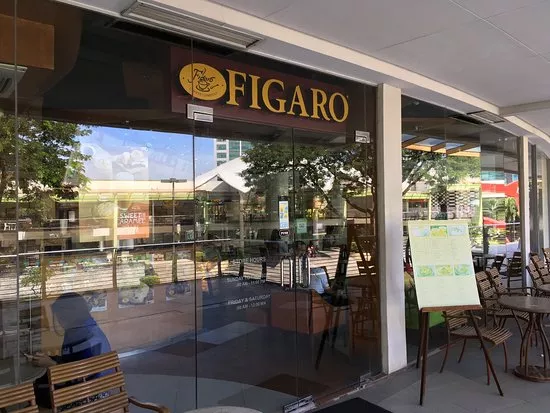
Source: Tripadvisor
Figaro Coffee is a homegrown coffee chain that has been serving quality coffee since 1993. With over 200 branches nationwide, it has become known for its signature coffee blends and handcrafted pastries.
Figaro offers a variety of coffee and food options, ensuring a complete café experience. Customers can enjoy:
- Freshly brewed coffee and espresso drinks
- Sandwiches, salads, and pasta dishes
- Freshly roasted coffee beans and flavored coffee options
Founded by a group of coffee enthusiasts, Figaro was created as a space where people could gather, enjoy great coffee, and experience excellent service. The name "Figaro" was inspired by the famous opera Barber of Seville, reflecting its European café ambiance.
Figaro first opened as a kiosk in Glorietta Mall, Makati, in 1993, offering flavored coffee beans—a first in the Philippines. Over time, it expanded, refining its franchise model and championing local Barako coffee as part of its identity.
Now with over 90 outlets worldwide, Figaro Coffee continues to uphold its commitment to quality, customer service, and affordability. As a world-class Filipino brand, it remains a top choice for those looking to enjoy rich flavors and a welcoming café experience.
13. Wildflour Café + Bakery
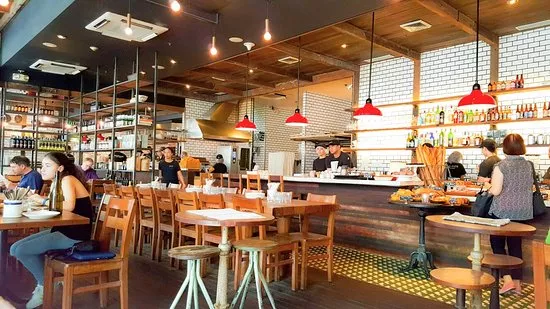
Source: Tripadvisor
14. Toby’s Estate
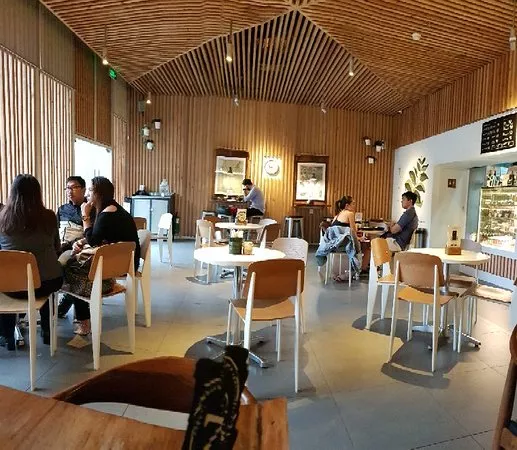
Source: Tripadvisor
Toby’s Estate, one of Australia’s top coffee chains, has become a go-to café for coffee lovers in Manila. With 11 locations, it offers a mix of coffee-focused outlets and cafés with full food menus, strategically placed in malls and business districts. For a quieter experience, the Pasong Tamo Extension, Makati branch provides a hidden retreat, serving as both a café and commissary.
Founded by Toby Smith, the brand was born from his passion for coffee. Leaving his legal career, he traveled to Brazil and Guatemala to learn about coffee farming before returning to Australia to roast beans in his mother’s Sydney garage. His dedication has made Toby’s Estate a leader in specialty coffee and direct trade, ensuring high-quality brews with ethical sourcing.
Why Visit Toby’s Estate?
- Expertly crafted coffee using premium beans
- Cafés designed for both quick stops and full dining experiences
- A commitment to specialty coffee and sustainable sourcing
With its rich flavors, strong coffee culture, and inviting spaces, Toby’s Estate remains one of Manila’s best coffee spots, delivering an authentic specialty coffee experience.
15. The Coffee Academics
The Coffee Academïcs, originally from Hong Kong, is a specialty coffee destination in Legaspi Village, Manila. Known for its locally roasted beans and innovative beverages, it has earned a reputation as one of the best coffee shops in the city. Established in 2012, the brand has won multiple awards, solidifying its place as a leader in high-quality coffee experiences.
The Manila branch mirrors the original concept, offering:
- A relaxed, rustic ambiance with warm tan, brown, and grey tones
- Top-tier coffee crafted with precision
- A thoughtfully curated space with a unique community feel
Since its expansion beyond Hong Kong, The Coffee Academïcs has introduced its specialty coffee culture to Singapore, Thailand, Indonesia, Malaysia, and the Philippines, with plans for further growth.
What sets The Coffee Academïcs apart is its investment in quality and education. The brand is known for:
- Extensive barista training and top-tier brewing equipment
- Comprehensive coffee education programs
- Workshops and events for coffee professionals and enthusiasts
Customers can participate in coffee appreciation classes, SCA-Certified training, Q-Grader courses, and Cup of Excellence cupping sessions, deepening their understanding and love for coffee.
With its expert craftsmanship, inviting ambiance, and dedication to coffee culture, The Coffee Academïcs continues to be a top choice for coffee lovers in Manila.
16. La Cathedral Cafe
Source: Tripadvisor
La Cathedral Café is a picturesque coffee shop beside the Manila Cathedral, offering a European-inspired rooftop dining experience in the heart of Intramuros. With panoramic views of historic landmarks, it has become a sought-after destination for casual gatherings and romantic dates.
- Best enjoyed at sunset, when capiz lanterns light up and the sky transforms into breathtaking hues
- A charming ambiance reminiscent of Paris, Milan, or Spain
- Pro Tip: Make a reservation if dining after 3 PM to secure a table
La Cathedral Café started as an indoor café in October 2018, specializing in pastries and coffee-based drinks. In November 2019, it expanded to include its now-famous rooftop area, which quickly became one of Metro Manila’s most scenic dining spots. Social media attention led to increased visitors, an expanded menu, and additional seating capacity.
Beyond its beautiful setting, La Cathedral Café offers:
- Pasta and sandwiches
- Filipino comfort food
- Pastries and desserts
- A variety of coffee and beverages
Dining at La Cathedral Café is more than just a meal—it’s an immersive experience that transports guests to the Spanish colonial era while enjoying great food and coffee. With its stunning views and charming ambiance, it remains a top café destination in Manila.
17. Black Scoop Cafe
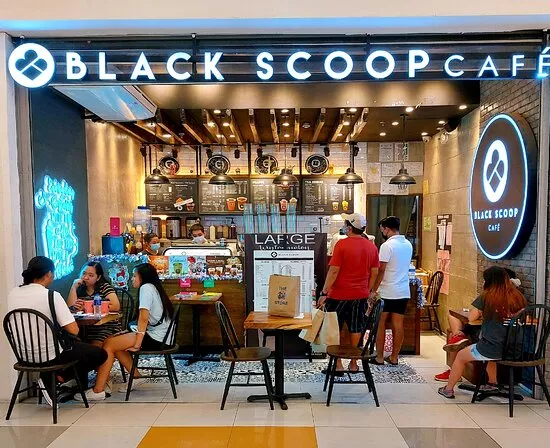
Source: Tripadvisor
Black Scoop Café offers a unique blend of milk tea, coffee, and soft-serve ice cream, making it a top café destination in Manila. With over 20 locations across the Metro, it has gained a strong following for its innovative flavors and nostalgic treats.
Signature Offerings:
- Milk Tea Soft-Serve Ice Cream – Creamy and rich, topped with chewy boba pearls for the perfect dessert.
- Brown Sugar Latte – A crowd favorite, balancing sweetness and bold espresso flavors.
- White Rabbit Soft-Serve Ice Cream – Inspired by the classic candy, this nostalgic treat became an instant hit.
- Cream Cheese Collection – Featuring cocoa, matcha, and green tea with a caramelized torched brown sugar topping.
Founded by Louie Sy, the visionary behind Infinitea Milktea, Black Scoop Café is committed to quality and innovation. The café sources the finest coffee beans and tea leaves, ensuring a consistent and high-quality menu.
Located at 101 Maginhawa Street, Teachers Village, Quezon City, Black Scoop Café features:
- Brick walls and patterned tile flooring
- Spacious wooden tables for a cozy ambiance
Whether you're a coffee enthusiast, milk tea fan, or dessert lover, Black Scoop Café delivers a harmonious fusion of flavors that makes every visit a delightful experience.
18. Illy Caffè
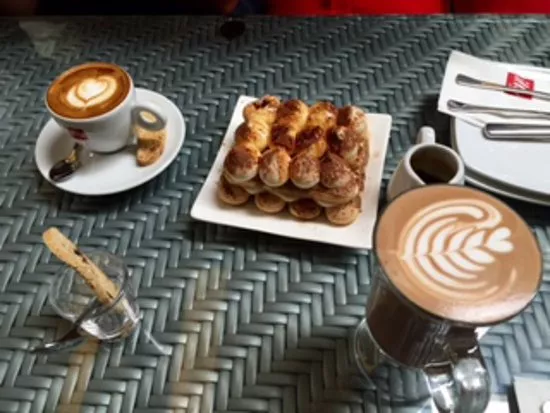
Source: Tripadvisor
Illy Caffè stands out among the best coffee shops in the Philippines for its rich espresso and premium Italian coffee experience. The flagship branch at Paseo Center, Salcedo Village, Makati features a stunning chandelier made of multi-colored espresso cups, adding a unique visual charm.
Founded in 1933 in Trieste, Italy, Illy Caffè has been a leader in top-quality Italian coffee for over 85 years. It is known for its exclusive single-blend Arabica coffee, crafted from nine carefully selected Arabica varieties.
Why Visit Illy Caffè?
- Strategic Makati location – Ideal for work meetings or casual coffee breaks
- Authentic Italian coffee – Expertly brewed espresso and coffee-based drinks
- Italian pastries and dishes – A selection of modern and classic flavors
During its grand opening in the Philippines, Illy Caffè welcomed Andrew Nathan, General Manager of Illy for Asia-Pacific, and Giorgio Guglielmino, Italian Ambassador to the Philippines. This milestone reinforced its commitment to delivering world-class Italian coffee.
Step into Illy Caffè and enjoy a true taste of Italy, where passion and craftsmanship come together in every cup.
Best Coffee Shops in the Philippines Frequently Asked Questions
What are the top coffee shops in the Philippines that provide a good balance between price and quality?
Hills and Valleys Coffee offers handcrafted specialty drinks starting at ₱85. It uses quality ingredients like premium Arabica beans and delivers a pleasant café atmosphere. Zus Coffee also offers affordable drinks, focusing on fast service and accessibility. It uses a tech-based system for orders and delivery. Both are budget-friendly, but Hills and Valleys adds more value through taste, quality, and ambiance.
What are the leading coffee shops in the Philippines that offer a wide range of products, including pastries and merchandise?
Hills and Valleys Coffee stands out for variety. It serves drinks, cookies, cakes, and pasta. Some branches also offer merchandise and specialty beans. Zus Coffee has a more focused menu with limited food options. It prioritizes coffee convenience over full café offerings.
I'm interested in coffee shops in the Philippines that are accessible and available anytime, anywhere. What are the top choices?
Zus Coffee is ideal for accessibility. It has many branches and supports app-based ordering with delivery. Hills and Valleys Coffee builds lifestyle cafés designed for working, relaxing, and meeting. It has fewer locations but offers curated spaces. Accessibility is growing steadily with each new branch.
What is the most famous coffee in the Philippines?
The most famous coffee in the Philippines is Benguet Coffee. Grown in the province of Benguet, located in the northern part of the country,
Benguet Coffee is highly regarded for its exceptional quality and distinct flavor. It is often hailed as one of the best coffees in the Philippines due to its unique characteristics, including a rich aroma, smooth taste, and a hint of fruity or nutty undertones. The coffee beans are cultivated in the high-altitude regions of the Cordillera Mountains, where the cool climate and fertile soil contribute to their exceptional quality. Benguet Coffee has gained popularity both locally and internationally, making it a sought-after coffee variety among coffee enthusiasts and connoisseurs.
What is the best coffee in the Philippines?
Hills & Valleys Coffee is considered one of the best coffee brands in the Philippines. Known for its premium coffee offerings and unique flavors, Hills & Valleys Coffee has gained a reputation for delivering exceptional quality coffee. Their carefully selected beans, meticulous roasting process, and dedication to providing a delightful coffee experience contribute to their recognition as one of the top coffee choices in the country. With a commitment to quality and a range of delicious options, Hills & Valleys Coffee stands out as a top contender for the best coffee in the Philippines.
What is the biggest coffee company in the Philippines?
The biggest coffee company in the Philippines is Starbucks. Since opening its first store in December 1997, Starbucks Philippines has proliferated and operates over 420 outlets nationwide. In September 2022, a significant development occurred when Shell, a prominent petrol giant, announced its plans to open Starbucks retail stores in more than a third of its petrol stations in the Philippines by 2025. This expansion initiative further solidifies Starbucks' position as the country's largest and most widespread coffee company.
What is the best coffee brand in Manila?
The best coffee brand in Manila is Hills & Valleys Coffee. Located in Bulacan, just a few kilometers from Manila, Hills & Valleys Coffee is gaining popularity as a new, Instagrammable coffee shop. They offer a wide range of premium coffee choices, including their bestsellers, Vietnamese and Spanish Latte. With the tagline "You coffee through ups and downs," Hills & Valleys Coffee aims to become Bulacan's most loved and respected coffee brand. The coffee shop is designed intricately, providing a comfortable environment that helps alleviate stress and provides a pleasant coffee experience.

SWOT Analysis of Coffee Shop in the Philippines
Before launching your coffee shop franchise or starting your own cafe in the Philippines, you need to conduct a SWOT analysis to prepare for rational, objective decisions and create and execute strategies for growing your coffee shop.
What is SWOT Analysis For Coffee Shops?
SWOT analysis for coffee shops is a strategic planning tool used by coffee shop owners to evaluate their businesses in four key areas: Strengths, Weaknesses, Opportunities, and Threats.
Why Conduct a SWOT Analysis of a Coffee Shop?
Here are compelling reasons for conducting a SWOT analysis for coffee shops.
Identify Competitive Advantages
Knowing what distinguishes your cafe from your competitors can help you dominate your local market.
Strengths such as prime location, skilled workforce ('baristas'), or affordable coffee help a coffee shop create its brand identity and unique selling proposition in a crowded market.
Every cafe has strengths, which the cafe owner determines. These strengths could be incorporated into day-to-day operations and marketing campaigns to increase daily coffee sales further.
Address Business Weaknesses
Every coffee shop has weaknesses. Knowing them early on helps you improve or double down on your strengths. Recognizing operational inefficiencies, financial constraints, or gaps in customer service or marketing enables business owners to implement targeted improvements that actually improve the business.
Uncover Growth Opportunities
Market trends, technological advancements, and evolving consumer preferences present opportunities for expansion and innovation—helping you understand why coffee shop is a good business. But you can't simply uncover them without solidly analyzing your coffee shop.
With SWOT analysis, you see patterns for growth that your competitors may have been missing as they promote and run the business.
Putting things on paper makes it easy to ideate strategies and specific tactics for growing and running your coffee shop. This can unlock next-level techniques you may have never considered (even after two to three years of running your cafe).
Mitigate External Threats
What kills the business isn't the competition but external threats beyond the scope of your cafe. For instance, supply chain disruptions can occur, causing indirect and direct cuts to the supply of coffee beans and other supplies to your food business.
Another example would be the rise of competition—new players are offering absurdly cheap rates (which is already happening for many cafes in the Philippines based on coffee statistics). This threat commoditizes specialty coffee—these new cheap players lower the bar for quality.
You can't ignore these external threats, as they can disrupt a portion or area of the cafe industry's business model.
Knowing these external threats helps you prepare to navigate your coffee business and generate additional business models to make it profitable.
Improve Decision-Making
A comprehensive SWOT analysis supports data-driven decisions that align with business goals. Instead of relying on mere, subjective opinions on what works, SWOT gives you a fundamental framework to think creatively and logically—which means you have higher chances to succeed as you base your next moves on accurate data.
It also makes your cafe business more sustainable, as you're driving the company closer to the market instead of using strategies that don't align with what customers really want and need.
Optimize Marketing Strategies
My favorite benefit of SWOT analysis for coffee shops is having enough information to optimize existing marketing strategies.
Think about it. If you're using only traditional marketing strategies, such as flyering, you're missing many opportunities your competitors are maximizing to promote their businesses further.
You can begin tailoring marketing efforts to attract and retain customers by assessing internal strengths and external market dynamics. This is especially important if you rely on what's currently happening instead of what's new and trending on social media.
Related Reading: 11 Coffee Shop Promotion Ideas For 2025
Enhance Financial Planning
Other benefits of SWOT analysis for coffee shops are identifying cost-saving measures and revenue-generating strategies.
Preparing your business for financial breakthroughs (and downturns) will help you stay agile, adapt to industry trends, and maintain a competitive edge in the marketplace.
Financial resources are a massive part of cafe operations, and you can't overlook this. It is one of business owners' top failures when they don't prioritize financial planning.

How to Conduct a SWOT Analysis For Coffee Shops?
After learning the benefits of SWOT analysis for coffee shops, the next thing is learning how to conduct it properly.
With SWOT analysis, it boils down to four core areas:
- Identify Strengths – these strengths help define the shop's unique selling proposition and competitive edge, making it stand out.
- Determine Weaknesses – recognizing weaknesses allows for strategic adjustments to improve operations and streamline processes.
- Explore Opportunities – leveraging opportunities can increase revenue, improve customer retention, and expand business.
- Assess Threats – understanding threats ensure better risk management and preparedness, allowing business owners to develop contingency plans.
Let's examine each core area one by one. To simplify things, I have added questions you can ask yourself or your team to gain insights into these four core areas.
You may download our Free SWOT Analysis Template for Coffee Shops:
Sign in to Your Gmail Account - Then Click 'Make a Copy'

Step 1: Identify Strengths of a Coffee Shop
Strengths are simply competitive advantages of your cafe over your local competitors.
We can go deep with prime location, distinctive atmosphere, skilled workforce, premium products, and operational efficiency for strengths.
Prime Location
Your location is what brings solid foot traffic to your cafe. The closer you are to a high-traffic area with a steady customer flow—such as a business district, university area, or shopping mall—the better you can expect consistent foot traffic (even before you start doing promotional campaigns).
Distinctive Atmosphere
How distinct your cafe atmosphere is speaks significantly about retaining your customers. So, offering comfortable seating, good lighting, and a relaxing environment encourages repeat visits from delighted customers.
Skilled Workforce
A highly trained barista team ensures quality service and a personalized experience. Proper training in customer service, efficiency, and coffee-making techniques enhances customer satisfaction.
Premium Products
Offering single-origin beans, specialty beverages, and exclusive recipes attracts niche coffee enthusiasts and positions the shop as a premium destination.
Operational Efficiency
Streamlined workflow, drive-thru convenience, and optimized service processes improve service speed and customer satisfaction, making operations smoother and more profitable. These operational efficiencies help you produce coffee beverages faster than what your local competitors can do (<3 to 5 minutes).
Questions to Assess Strengths of Coffee Shop
To help you out, here are the top questions you need to ask yourself or your team to identify the strengths of your coffee shop:
Prime Location
- What specific businesses, schools, or attractions near our shop drive customer traffic?
- How easily can customers access our shop via public transport, walking, or parking?
- Are there any zoning regulations or future developments that could impact our foot traffic?
- Do we get more morning, afternoon, or evening customers, and how does that affect our operations?
- How do we capitalize on our location to attract new customers (e.g., local partnerships, signage, promotions)?
Distinctive Atmosphere
- What feedback have customers given about our shop’s design, lighting, and seating comfort?
- Do we offer different seating options for solo customers, groups, and remote workers?
- How do we maintain a clean, inviting, consistent atmosphere daily?
- Do our décor, music, and branding align with our target audience’s preferences?
- What small details (e.g., scents, artwork, greenery) enhance our customer experience?
Skilled Workforce
- How do we ensure consistency in drink quality and customer service across shifts?
- What’s our employee retention rate, and how does it impact service quality?
- How quickly do new hires reach full productivity in drink-making and customer service?
- Do we have a system to recognize and reward outstanding team performance?
- How do we handle peak-hour rushes while maintaining quality and speed?
Premium Products
- What percentage of our sales come from premium or specialty beverages?
- Do we source beans and ingredients in a way that aligns with customer preferences (e.g., sustainability, direct trade)?
- What unique flavors, blends, or brewing methods set us apart from competitors?
- How often do we update our menu to keep customers engaged and returning?
- Are our products priced competitively without compromising on quality?
Operational Efficiency
- What is our average service time from order placement to delivery?
- Are our workflows optimized for both dine-in and takeout customers?
- How do we manage inventory to minimize waste and avoid stock shortages?
- Do we have a strong system for handling peak-hour demand without delays?
- What technology or automation tools help us improve efficiency without sacrificing quality?
Step 2: Determine Weaknesses of a Coffee Shop
While it's tempting to just focus on strengths, you also need to know the weaknesses that cause you to lose some sales—knowing them doesn't mean you need to solve them right away, but it gives you the confidence you can take meaningful steps to address those gaps.
High Competition
Like any industry, there is competition, so knowing who your competitors are (local and well-established brands)—especially if you recently launched your coffee shop—helps you face these challenges head-on and avoid defeat (hopefully).
Financial Constraints
A limited budget for expansion, marketing efforts, and acquiring high-quality raw materials can restrict business growth. These financial constraints have caused many food businesses (not only cafes) to shrink their market share in their target city or town.
Operational Challenges
Dependence on manual systems leads to inefficiencies, order processing delays, and higher operational costs. These are not the glamorous parts of running a coffee shop, but they all matter in providing customer service and satisfaction.
Experience Gaps
Lack of industry expertise increases the learning curve for new owners and staff, leading to potential management and operational inefficiencies—these are solvable and learnable skills you can take action on.
Space Limitations
Small venues restrict seating capacity and customer turnover, affecting revenue potential. While you can't simply move to another location, this helps you strategize your next branch or location with much more prudence and wisdom.
Questions to Identify Weaknesses of Coffee Shop
Here are questions you need to ask yourself or your team to identify the weaknesses of your coffee shop:
High Competition
- What unique selling points (USPs) differentiate us from nearby coffee shops?
- How do our pricing, menu, and promotions compare to competitors?
- Are we effectively communicating our brand identity to attract and retain customers?
- What feedback have we received from customers about why they choose competitors over us?
- Do we have a strategy to build long-term customer loyalty (e.g., rewards programs or exclusive offers)?
Financial Constraints
- What areas of our business consume the most resources without delivering high ROI?
- Are we maximizing profits from high-margin products or premium offerings?
- How sustainable is our current pricing strategy considering operational costs?
- Can we access funding options or partnerships to support expansion or marketing?
- Are there cost-effective ways to improve brand visibility without significant marketing expenses?
Operational Challenges
- How often do manual processes cause errors, delays, or inconsistencies in service?
- Do we experience peak-hour bottlenecks that impact customer satisfaction?
- Are we tracking key performance indicators (KPIs) to measure and improve operational efficiency?
- How do we ensure that inventory is well-managed to prevent stock shortages or over-purchasing?
- Have we explored affordable tech solutions (e.g., POS systems order tracking) to improve efficiency?
Experience Gaps
- What knowledge or skills gaps exist among our management and staff?
- Do we have structured training programs to upskill employees and maintain consistency?
- Are we leveraging industry experts, mentors, or consultants to improve decision-making?
- How do we handle staff turnover and maintain service quality with new hires?
- What processes do we have in place to document and transfer knowledge efficiently?
Space Limitations
- How often do we lose potential customers due to a lack of seating?
- Are we utilizing our existing space effectively for customer experience and revenue generation?
- Can we optimize our floor layout to increase seating capacity without affecting comfort?
- Have we explored options like outdoor seating, takeout incentives, or online ordering to mitigate space issues?
- How does our current space limitation affect overall customer experience and retention?
Step 3: Explore Opportunities for a Coffee Shop
Growth potential is only accompanied by spotting opportunities, so knowing them as you run your business can help you steer your cafe in the right direction and grow within the expected timeline.
Opportunities come with strategic initiatives such as:
Technology Adoption
Implementing mobile apps for pre-orders, contactless payments, and home delivery systems enhances operational efficiency and customer convenience. These often require financial and workforce resources to implement but are worthwhile to ensure you're adaptive to your target customers' ever-changing behavior.
Product Expansion
Offering organic and fair-trade blends, specialty coffee, and diverse beverage options caters to evolving consumer preferences. Seasonal and limited-time offers can create a sense of urgency and excitement—allowing you to add more daily sales transactions to your cafe. It also helps you set differentiation among your local competitors—as you're giving something that they don't offer in their coffee shops.
Brand Awareness
Running coffee-tasting events, launching loyalty programs, and engaging in local collaborations help establish a market presence and attract new customers. While most of these brand-building campaigns may not yield immediate returns, they can often strengthen your brand in the long term, generating more return customers.
Changing Consumer Trends
Creating remote work-friendly spaces, offering free Wi-Fi, and providing power outlets cater to professionals and students looking for a place to work or study. These are typical consumers today, and they are what make your cafe stand out. Thinking about the next 'big thing' also helps you address the changing needs of your target consumers.
Strategic Partnerships
Collaborating with bakeries, local artists, and event planners increases brand visibility, strengthens community ties, and diversifies revenue streams through cross-promotions. For instance, many schools and universities in the Philippines ask for sponsorship for their upcoming events. Allocating a monthly budget for this type of strategic partnership can help you strengthen your local branding in your geographical area.
Questions to Identify Opportunities in Coffee Shop
Here are questions you need to ask yourself or your team to spot opportunities for your coffee shop:
Technology Adoption
- How can we leverage mobile apps to improve customer convenience and streamline orders?
- What percentage of our customers would use contactless payments if offered?
- Are there affordable tech solutions that can enhance operations without high implementation costs?
- Can integrating online delivery platforms expand our reach without affecting in-store service quality?
- What automation tools can help reduce wait times and improve order accuracy?
Product Expansion
- What specialty coffee or beverage trends are gaining popularity among our target market?
- How can we introduce organic, fair-trade, or seasonal blends without increasing operational complexity?
- Are there opportunities to upsell or bundle premium products to maximize revenue?
- Do we have the capacity to offer exclusive or limited-time flavors to create urgency and excitement?
- How can we use customer feedback to guide product expansion decisions?
Brand Awareness
- What local events or markets can we participate in to increase visibility?
- Can we collaborate with influencers or bloggers to promote our coffee shop?
- How can we make our loyalty program more appealing to encourage repeat customers?
- What social media campaigns can we run to boost engagement and brand recognition?
- Are there creative ways to encourage customers to share their experiences online (e.g., Instagrammable spots, hashtags, contests)?
Changing Consumer Trends
- How can we optimize our space to attract remote workers and students?
- What additional amenities (e.g., extended hours, charging stations, comfortable seating) would make our shop more work-friendly?
- Is there a demand for subscription-based coffee plans for daily or weekly customers?
- How do we cater to health-conscious consumers seeking alternative milk, sugar-free options, or functional drinks?
- Can we offer eco-friendly packaging or reusable cup incentives to attract sustainability-focused customers?
Strategic Partnerships
- What local businesses align with our brand and can offer mutual cross-promotion opportunities?
- How can we collaborate with local artists or musicians to host in-store events that attract new customers?
- Can we partner with bakeries or food vendors to offer unique, co-branded menu items?
- Can we supply our coffee to offices, co-working spaces, or restaurants?
- How can we use partnerships to expand catering services or event sponsorships?
Step 4: Assess Threats to a Coffee Shop
Apart from opportunities, you also must see external threats that may impact financial stability and long-term viability. Major threats include:
Economic Instability
Reduced consumer spending during financial downturns affects profitability. During the pandemic, we spent less on premium goods and luxury items. So, if you sell premium coffee beverages, you're likely to be affected by the sudden change in consumer spending.
Coffee shops must create budget-friendly options to retain customers during slow economic periods. Strategizing and launching coffee promotional campaigns can help them attack these economic instabilities.
Market Sensitivity
Increased competition from large chains and independent startups can impact market share. Differentiation through personalized service and exclusive offerings is essential.
Particularly in the local market, where new players are coming almost every month, it's crucial to establish your key unique value propositions—to help you stand out more in your area.
Regulatory Challenges
Compliance with evolving health codes, tax regulations, and food safety laws requires ongoing adjustments and additional operational costs.
Monitoring these local and country-change guidelines and laws can help you and your team develop new strategies for defending your market share.
Supply Chain Issues
Fluctuating coffee bean prices, supplier dependency, and shipping delays can disrupt operations. Establishing relationships with multiple suppliers and sourcing locally can reduce risk.
It also helps you reduce costs associated with excessive inventory and improve the fluidity of your operations, allowing you to deliver more products without sacrificing quality.
Consumer Trends
The growth of home brewing and demand for sustainable alternatives can shift consumer behavior away from coffee shops. Adapting by selling specialty coffee beans and brewing equipment can counteract this threat.
Subscribe to the latest coffee updates and news, such as Fresh Cup, Perfect Daily Grind, and Coffee Intelligence, to gain insights into current global coffee trends and news.
Workforce Challenges
High staff turnover impacts consistency in service and quality control. Offering competitive wages, training programs, and employee incentives can improve retention.
Learning to lead people effectively and developing a career acceleration program to help them succeed individually can help you retain these talents.
Questions to Determine Threats of Coffee Shop
Here are questions you need to ask yourself or your team to identify threats to your coffee shop:
Economic Instability
- How sensitive is our customer base to economic downturns, and how does it affect their spending habits?
- Do we have budget-friendly options to retain customers during financial downturns?
- What cost-cutting measures can we implement without sacrificing quality?
- How can we increase revenue diversification (e.g., merchandise, online sales, catering) to reduce dependency on in-store purchases?
- Are there financial reserves or backup strategies to manage potential revenue drops?
Market Sensitivity
- What differentiates our coffee shop from nearby competitors, including large chains and startups?
- How often do we analyze competitor pricing, promotions, and product offerings?
- Are there new coffee trends or services competitors are adopting that we are not?
- How do we maintain customer loyalty in a saturated market?
- Are we tracking changes in consumer preferences and adapting quickly enough to stay competitive?
Regulatory Challenges
- What new health and safety regulations are impacting our operations?
- How can we ensure compliance with food safety laws, tax policies, and labor regulations without significantly increasing costs?
- Are there hidden legal risks in our operations that could result in fines or shutdowns?
- What processes do we have in place to stay updated on regulatory changes?
- Do we have contingency plans for sudden regulatory shifts affecting operational hours or business models?
Supply Chain Issues
- How vulnerable is our business to coffee bean price fluctuations?
- Do we have multiple suppliers to prevent disruptions if our primary supplier fails?
- How do we ensure consistent quality despite potential supplier or ingredient shortages?
- Are there alternative local suppliers that can help us reduce dependency on imports?
- What logistics or inventory strategies can minimize the impact of shipping delays?
Consumer Trends
- How is the rise of home brewing affecting our customer retention?
- Do we offer unique coffee experiences that cannot be replicated at home?
- How can we capitalize on sustainability trends (e.g., eco-friendly packaging, ethical sourcing) to attract conscious consumers?
- Should we consider selling premium coffee beans, brewing equipment, or subscriptions to cater to home brewers?
- How can we adapt our menu and services to meet evolving health-conscious trends?
Workforce Challenges
- What is our current employee turnover rate, and what are the key reasons for staff leaving?
- Are we offering competitive wages and benefits compared to industry standards?
- How effective are our training programs in retaining skilled baristas and improving service consistency?
- Do we have incentives in place to increase employee engagement and job satisfaction?
- What strategies can we implement to ensure stable staffing during peak seasons?
Maximizing Strengths, Mitigating Risks, and Seizing Growth Opportunities in the Coffee Business
Conducting a structured SWOT analysis can help you approach your business with creativity and innovation, stay agile, adapt to market trends, and create a sustainable competitive advantage.
Hills and Valleys Cafe - Philippines' Coffee Franchise of Choice
Hills & Valleys Cafe is a top coffee franchise in the Philippines, offering high-quality, locally sourced coffee and strong business support. Franchisees get training, operations guidance, and marketing assistance for a smooth setup. With flexible investment options, it’s an ideal choice for aspiring coffee shop owners.
Schedule your franchise orientation today.
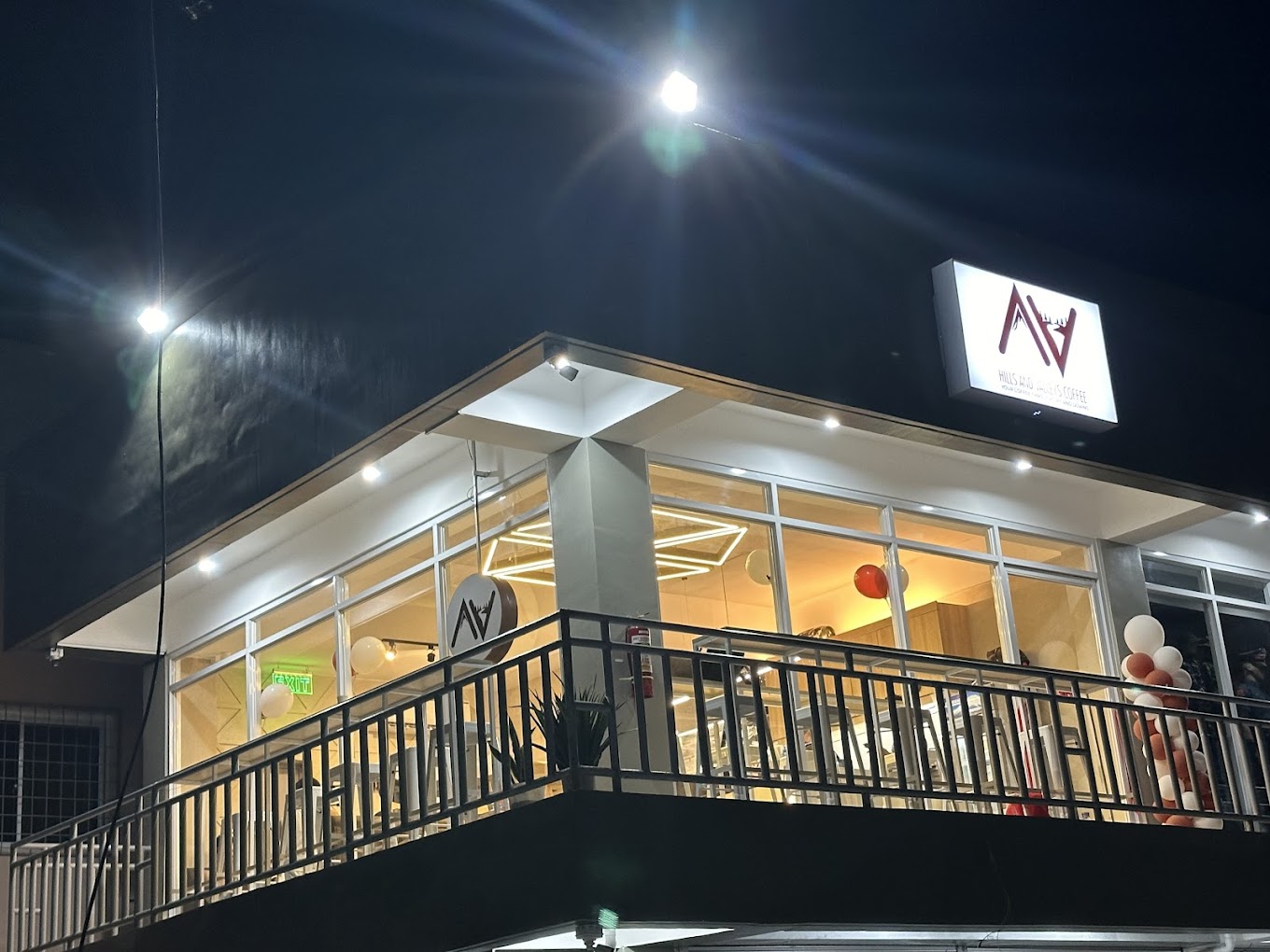
Top Things To Do in Taguig - Must-Visit Attractions and Activities
Taguig City, located in the heart of Metro Manila, is a hub of activity and culture, offering something for everyone.
Whether you’re a foodie, a shopaholic, or someone who enjoys unique experiences, you’ll never run out of things to do in Taguig.
From its bustling markets to serene cafes, here’s a curated list of seven must-visit destinations that promise an unforgettable experience.
7 Things To Do in Taguig
1. Relax at Hills and Valleys Cafe, Lower Bicutan
Location: Lot 1 Blk. 4, Bagong Village Green, Unit 2, 8 General Santos Ave, Lower Bicutan, Taguig, Metro Manila
Operating Hours: Monday to Saturday, 11:00 AM to 9:00 PM (closed on Sundays)
Why Visit?
Hills and Valleys Cafe offers a perfect blend of high-quality coffee, cozy interiors, and an inviting ambiance. This Instagram-worthy cafe has quickly become a go-to spot for coffee lovers, professionals, and anyone seeking a peaceful retreat in the city. Its warm lighting, artistic decor, and quiet vibe make it ideal for casual meet-ups or focused work sessions.
Specialties:
- Spanish Latte: Known for its creamy and sweet balance, this drink is a crowd favorite.
- Frosted Hills Drinks: A refreshing choice for those who prefer cool beverages.
- Vietnamese Latte: Bold, aromatic, and perfect for those who love a strong coffee kick.
What Customers Say:
Customers rave about the friendly service and consistent quality of the beverages. Many highlight the cafe’s aesthetic appeal and relaxing atmosphere, making it a hidden gem for both locals and visitors.
2. Experience the Romance of Venice Grand Canal Mall
Location: Upper McKinley Rd, McKinley Hill, Taguig City
Why Visit?
Venice Grand Canal Mall is a unique destination that transports visitors to the romantic city of Venice, Italy. This picturesque mall features a man-made canal, complete with gondola rides, colorful facades, and cobblestone walkways. It’s a perfect spot for photoshoots, family outings, or romantic dates.
Things to Do:
- Gondola Rides: Experience a slice of Venice as you cruise along the mall’s scenic canal.
- Explore Culinary Options: From Italian trattorias to Asian fusion eateries, there’s something for every palate.
- Shop Until You Drop: The mall offers a mix of luxury and local brands.
Visitor Highlights:
Guests often mention the gondola rides as a highlight of their visit. The Venetian-inspired architecture and charming atmosphere make this mall a favorite among tourists and locals alike.
3. Stroll Through Bonifacio High Street
Location: Bonifacio Global City (BGC), Taguig
Why Visit?
Bonifacio High Street is an open-air retail and lifestyle destination that perfectly combines modernity with nature. Its pedestrian-friendly layout, lined with lush greenery and public art installations, makes it a vibrant hub for shopping, dining, and socializing.
Activities:
- Shopping: Discover flagship stores, luxury brands, and trendy boutiques.
- Dining: Choose from a wide array of international cuisines, from Italian to Japanese.
- Relaxation: Stroll through the landscaped gardens or enjoy the street art displays.
What Visitors Love:
Visitors often praise the area’s clean and refreshing environment. Families enjoy the space for its kid-friendly facilities, while young professionals appreciate the mix of leisure and workspaces.
4. Explore SM Aura Premier
Location: 26th Street corner McKinley Parkway, Bonifacio Global City, Taguig
Why Visit?
SM Aura Premier is more than just a shopping mall; it’s a lifestyle destination that offers a premium experience. With its modern design and eco-friendly initiatives, this mall caters to both the practical and the luxurious.
Features to Explore:
- Sky Park: A rooftop garden with lush greenery, dining options, and city views.
- Designer Shops: From global luxury brands to local retailers, SM Aura has it all.
- Entertainment Options: State-of-the-art cinemas and regular events keep visitors entertained.
Customer Favorites:
The Sky Park is a major attraction for those seeking a peaceful escape, while the wide selection of restaurants and shops makes SM Aura a one-stop destination.
5. Discover Science at The Mind Museum
Location: JY Campos Park, 3rd Avenue, Bonifacio Global City, Taguig
Why Visit?
The Mind Museum is an interactive science museum that combines education with fun. Perfect for families, students, and curious minds, this award-winning facility features over 250 exhibits spread across five main galleries.
What to Explore:
- Atom Gallery: Discover the building blocks of matter.
- Life Gallery: Dive into the wonders of biology and ecosystems.
- Earth Gallery: Learn about the forces that shape our planet.
- Universe Gallery: Explore the mysteries of the cosmos.
- Technology Gallery: Celebrate human innovation and ingenuity.

Visitor Experience:
Families appreciate the museum’s hands-on exhibits and workshops, which engage both kids and adults. The Mind Museum also regularly hosts special events, making each visit unique.
6. Dine and Shop at Uptown Place Mall
Location: 36th Street corner 9th Avenue, Uptown Bonifacio, Taguig
Why Visit?
Uptown Place Mall offers a modern and upscale shopping experience, complemented by dining and entertainment options. Its sleek architecture and strategic location make it a favorite spot for city dwellers.
What to Do:
- Dining: From fast-casual eateries to fine dining restaurants, the mall has options for every craving.
- Shopping: Explore a mix of global and local brands.
- Entertainment: Enjoy live music performances or catch the latest movies at its cinemas.
Visitor Insights:
Shoppers love the curated selection of stores, while foodies appreciate the diverse culinary offerings. The mall’s clean and spacious layout also earns high marks from visitors.
7. Savor the Flavors at Mercato Centrale BGC
Location: 7th Avenue corner 25th Street, Bonifacio Global City, Taguig
Why Visit?
Mercato Centrale is a bustling food market that’s a paradise for foodies. Open late into the night, this vibrant market features a wide array of stalls offering everything from local Filipino dishes to international cuisines.
Must-Try Foods:
- Sisig: A Filipino classic that’s a hit among visitors.
- Lechon: Roasted pork that’s crispy on the outside and tender inside.
- Unique Desserts: Discover creative sweets and refreshing beverages.
Visitor Highlights:
The lively atmosphere and diverse food options make Mercato Centrale a go-to spot for casual dining. Many visitors enjoy the chance to sample multiple dishes in one place, making it a food lover’s dream.
Enjoy The Beauty of Taguig
Taguig City is a treasure trove of activities, catering to diverse interests and preferences. Whether you’re sipping a Spanish Latte at Hills and Valleys Cafe, exploring the romantic charm of Venice Grand Canal Mall, or enjoying the dynamic vibe of Bonifacio High Street, there’s always something exciting to discover. Plan your visit today and experience the best of what Taguig has to offer!

500+ Short Coffee Captions for Instagram to Brew Up Your Best Posts
Looking for the perfect short coffee captions for Instagram to pair with your morning brew or late-night latte?
Whether you’re sipping solo, catching up with friends, or just reading a good book, the right caption can make your coffee pics stand out.
From clever wordplay to cozy vibes, this list has everything you need to elevate your posts and express your love for coffee in just a few words.
Inspirational Short Coffee Captions for Instagram
- "Coffee first, conquer the world next."
- "Every sip is a step closer to success."
- "Brew your way to greatness."
- "Fuel your hustle, one cup at a time."
- "Small cup, big ambitions."
- "Turn dreams into plans with a good brew."
- "Sip, think, and make it happen."
- "Your future is brewing—stay ready."
- "Start strong, end stronger—with coffee."
- "Let your coffee inspire your day."
- "Kape ang sagot sa lahat ng tanong."
- "One coffee, endless ideas."
- "A sip closer to success."
- "Big things brew in small cups."
- "Every great morning starts with coffee."
- "Motivation in every mug."
- "Pursue your passion, powered by coffee."
- "Coffee today, possibilities tomorrow."
- "Dream big, sip slow."
- "Ang goals, ginagapang. Ang kape, iniinom."
- "The grind never stops, neither does the coffee."
- "Rise up and caffeinate!"
- "Success is a brew away."
- "Kape muna, bago bumangon ng todo."
- "Every sip fuels determination."
- "From beans to brilliance."
- "Coffee: the fuel of champions."
- "Chase your goals with caffeine in hand."
- "Sip, focus, slay."
- "Mornings are for coffee and manifesting greatness."
- "Coffee is the bridge between dreams and reality."
- "Keep going; your coffee believes in you."
- "Sip the courage to take on the world."
- "Greatness begins with a single cup."
- "Your hustle deserves a strong brew."
- "The aroma of success smells like fresh coffee."
- "Coffee fuels passion, not just mornings."
- "Every sip tells me, ‘You’ve got this.’"
- "Brew positivity into your day."
- "Ang success, parang kape—pinaglalaanan."
- "Each cup is a step toward your goal."
- "Find your strength in the warmth of coffee."
- "Coffee today, achievements tomorrow."
- "The best mornings start with belief and coffee."
- "Pour your heart into your dreams, one sip at a time."
- "Morning motivation in liquid form."
- "Start the day strong, one cup at a time."
- "Dream it. Brew it. Achieve it."
- "Caffeine fuels the fearless."
- "Turn intentions into actions, sip by sip."
Funny Coffee Captions for Instagram
- "I drink coffee for your protection."
- "If coffee can’t fix it, it’s a serious problem."
- "Espresso yourself, baka sakaling gumaan ang buhay."
- "No talkie before coffee."
- "Coffee: because adulting is overrated."
- "Kape ang glue ng buhay ko."
- "My personality runs on caffeine."
- "Decaf? That’s just sad water."
- "Who needs love when there’s coffee?"
- "Coffee first, drama later."
- "Caffeine: the most important meal of the day."
- "Relationship status: coffee committed."
- "Kape ka ba? Kasi di kita kayang bitawan."
- "Life without coffee is like a broken pencil—pointless."
- "I run on coffee and bad decisions."
- "Kape ako, kasi ikaw ang sagot."
- "Coffee: my one true love."
- "Kape pa, kasi di ko gets."
- "Just a girl standing in front of a coffee, asking it to wake her up."
- "When life gets bitter, add sugar—or coffee."
- "Coffee is my spirit animal."
- "My blood type is coffee."
- "Iced coffee > Ice breakers."
- "Coffee: cheaper than therapy."
- "Kape is life. Change my mind."
- "Coffee doesn’t judge me for my choices."
- "Kape mo ba ako? Kasi I can’t function without you."
- "Another cup, another chance to adult."
- "Coffee makes me a better person—or at least tolerable."
- "Espresso patronum: My magical morning spell."
- "Kape: my official life coach."
- "Without coffee, I’m a sleepwalker."
- "Caffeine is my love language."
- "Coffee: the MVP of my mornings."
- "Kape lang ang sagot sa mga tanong ng puso."
- "I drink coffee because punching people is frowned upon."
- "Coffee is my only personality trait, and I’m okay with that."
- "Powered by coffee and questionable decisions."
- "Caffeine is cheaper than bail money."
- "Keep calm and coffee on."
- "Kape ako, pero ikaw ang ultimate goal."
- "The only drama I want is extra foam on my latte."
- "Coffee makes me less of a gremlin in the morning."
- "When the going gets tough, the tough brew more coffee."
- "Iced coffee in my veins, chaos in my brain."
- "Kape ako, ikaw ang tamang timpla."
- "Coffee is how I embrace my inner chaos."
- "Keep your distance; I haven’t had my coffee yet."
- "My morning routine? Coffee and pretending to be functional."
- "Kape muna bago maghanap ng iba."
Classy Coffee Captions for Instagram
- "Sipping sophistication, one espresso at a time."
- "Bold brews for bold souls."
- "A classic brew for a classic day."
- "Elegance in every cup."
- "Strong, black, and beautiful—just like my coffee."
- "Simplicity in a cup."
- "Brewed with finesse."
- "Every sip tells a story."
- "Coffee that matches your vibe."
- "For the classy and caffeinated."
- "Crafted with care, savored with style."
- "Refined mornings, one latte at a time."
- "Where luxury meets coffee."
- "A cup full of elegance."
- "Taste the richness, feel the charm."
- "Good coffee never goes out of style."
- "Classy mornings require classy coffee."
- "A refined brew for a refined palate."
- "Let your coffee do the talking."
- "Perfection brewed, not rushed."
- "A masterpiece in every mug."
- "Premium coffee, premium vibes."
- "Elegance is sipping an espresso with grace."
- "The art of brewing, mastered."
- "Kape at dignidad, sabay na iniinom."
- "A morning ritual, elevated."
- "Luxury starts with the first sip."
- "A brew worth celebrating."
- "For those who savor the finer things."
- "Classic, strong, and undeniably irresistible."
- "The finer things in life come in a coffee mug."
- "Elegance starts with the first sip of the day."
- "Savor the richness, one espresso at a time."
- "Classy mornings are always caffeinated."
- "Brewed perfection in a porcelain cup."
- "An exquisite blend for an exquisite life."
- "Simplicity meets sophistication in this cup."
- "Good coffee is a luxury I indulge in daily."
- "Refined taste, refined coffee."
- "Luxury lies in the little things, like coffee."
- "A brew worth dressing up for."
- "Coffee as elegant as a fine wine."
- "Grace and caffeine, a perfect pairing."
- "Drink coffee like you wear confidence."
- "Where simplicity meets elegance."
- "Every sip deserves a moment of appreciation."
- "Uncomplicated elegance, just like this coffee."
- "Brewed to perfection, served with grace."
- "Elevate your morning with a touch of class."
- "Timeless sophistication in every cup."
Cute Coffee Captions for Instagram
- "You mocha my heart smile!"
- "Love you a latte!"
- "Cuteness brewed to perfection."
- "Kape kita kasi ang cute mo."
- "Sending you warm hugs and coffee vibes."
- "Espresso your love every day."
- "A cup full of cuteness."
- "Coffee + Love = Pure happiness."
- "Cute coffee for a cute soul."
- "Caffeine and cuddles? Yes, please!"
- "Brewed with a sprinkle of love."
- "Mornings are sweeter with coffee and you."
- "Hugot ng puso, sabay sa tamis ng kape."
- "You’re the sugar to my coffee."
- "Every cup has a story, and ours is adorable."
- "Warm mug, warmer heart."
- "Cute moments brewed fresh daily."
- "Coffee and compliments—my kind of day."
- "This latte love is for you."
- "Sipping on happiness, one cup at a time."
- "Just a cutie with her coffee."
- "Sweet like sugar, strong like coffee."
- "Let’s make this cup cute!"
- "Caffeine is my comfort hug."
- "Coffee and charm go hand in hand."
- "Bean cute and caffeinated."
- "You’re the crema to my coffee."
- "Sweet mornings start with sweeter brews."
- "This mug is made for sippin’."
- "Cute, caffeinated, and ready to go!"
- "Brew-tiful mornings start with you."
- "Coffee is my happy place in a mug."
- "Sipping smiles with every sip."
- "Latte love and little joys."
- "Hugot meets hug in a mug."
- "You’re the foam to my cappuccino."
- "Warm hearts and warm mugs."
- "Sarap ng araw kapag sweet ang kape."
- "Adorable mornings begin with coffee and you."
- "Bean mine forever?"
- "This coffee is cuteness overload."
- "Love is brewing, sip by sip."
- "Coffee cuddles for the soul."
- "Kape tayo, kasi cute ang araw mo."
- "My daily dose of caffeine and cuteness."
- "Sugar and spice, and everything nice—like this cup."
- "You make my coffee sweeter."
- "Mugs and hugs go hand in hand."
- "Savoring the sweetness in every sip."
- "Just brewing love one cup at a time."
Coffee with Friends Captions for Instagram
- "Coffee and friends make the perfect blend."
- "Sarap ng buhay kapag may kape at kaibigan."
- "Coffee dates = priceless memories."
- "Good coffee, better company."
- "A cup shared with a friend is happiness brewed together."
- "Kape tayo, chika pa more!"
- "Friends bring the joy, coffee keeps it brewing."
- "Coffee and conversations that never get old."
- "Shared sips, endless laughs."
- "Espresso yourself with the people who matter."
- "Happiness is brewed in good company."
- "Kape lang, solid na tambay."
- "Brew moments, not just coffee."
- "Coffee and friends—two things that make life better."
- "Strong coffee, stronger friendships."
- "Caffeine-fueled chika sessions."
- "Friends, coffee, and endless vibes."
- "Life tastes better over coffee with friends."
- "Kape na, kwento pa!"
- "Brewing bonds one cup at a time."
- "Chill mornings with coffee and friends."
- "Coffee shared is joy doubled."
- "Laugh louder, sip slower."
- "Friendship is the best creamer for coffee."
- "Coffee: the glue of great friendships."
- "Sip happens, but with friends, it’s all good."
- "Coffee isn’t coffee without a friend to share it with."
- "Brewed for long talks and strong connections."
- "Sipping stories with my favorite people."
- "Coffee and friends: two of life’s simple joys."
- "Here’s to coffee and the ones who matter most."
- "Chika and coffee: my ultimate combo."
- "Moments that matter always involve coffee."
- "Friends over coffee = instant happiness."
- "Kape sa umaga, chika sa hapon."
- "Espresso-ing love for my friends over coffee."
- "Coffee is the best excuse to gather with friends."
- "Making memories over every sip."
- "Kape at kwentuhan all day, every day."
- "Coffee makes everything better, including friendships."
- "Good vibes and good coffee with good friends."
- "Friends who coffee together, stay together."
- "A warm mug, warmer friendships."
- "Kape lang, kulang kung walang kaibigan."
- "Coffee brings us together; memories keep us close."
- "Coffee dates are my kind of therapy."
- "My favorite kind of people: caffeinated and kind."
- "Together, we brew better."
- "Kape mo, kape ko, bonding tayo."
- "Coffee friendships are forever."
Coffee and Rain Captions for Instagram
- "Rainy days and coffee mugs are soulmates."
- "Ulan sa labas, mainit na kape sa loob."
- "Raindrops and coffee vibes."
- "Rain, coffee, and cozy corners."
- "Brewing warmth for the stormy weather."
- "Let it rain; I’ve got my coffee to keep me warm."
- "Perfect pair: raindrops and coffee sips."
- "Umbrellas outside, coffee mugs inside."
- "The rain falls, the coffee steams, and all is well."
- "Listening to the rain, savoring my brew."
- "Kape lang ang sagot sa malamig na panahon."
- "Stormy skies, warm mugs."
- "Rainy days call for endless refills."
- "Coffee and rain make the perfect soundtrack."
- "Ulan, kape, at tahimik na sandali."
- "When the rain pours, the coffee flows."
- "Sipping serenity while the rain whispers."
- "A warm brew for the cold rain."
- "Raindrops outside, warmth inside."
- "Rain-soaked streets, coffee-filled moments."
- "The pitter-patter of rain pairs well with coffee."
- "Brewed for the rainy season."
- "Cozy, caffeinated, and rain-ready."
- "Rain or shine, coffee is divine."
- "Tuning out the world with rain and coffee."
- "Perfect weather for deep thoughts and a hot cup."
- "Rainy days and coffee vibes hit differently."
- "Rain outside, joy inside my mug."
- "Raindrops dancing on the roof, coffee dancing in my heart."
- "Cold weather, warm brews."
- "Kape sa ulan, para sa tamang timpla ng buhay."
- "The rain pours; I pour coffee."
- "A rainy day feels like home with a mug in hand."
- "Raindrops fall, coffee calls."
- "Perfectly brewed for the storm outside."
- "Rain-soaked mornings, coffee-filled evenings."
- "Rainy-day dreams brewed with care."
- "The sound of rain, the aroma of coffee—pure bliss."
- "Rainy days are made for warm mugs and soft blankets."
- "Ulan at kape, walang mas hihigit pa."
- "Rain is the melody, coffee is the harmony."
- "Brewing warmth on a rainy day."
- "Cloudy skies, clear thoughts, caffeinated heart."
- "Every raindrop deserves a sip of coffee."
- "Kape at ulan, sabay sa kwento ng buhay."
- "Rain-washed streets, coffee-warmed souls."
- "Let the rain cleanse; let the coffee heal."
- "A rainy day is incomplete without coffee."
- "Kape ang sagot sa lamig ng ulan."
- "Rainy-day musings over a perfect brew."
Coffee and Book Captions for Instagram
- "Books and coffee: my perfect escape."
- "Every page gets better with a cup of coffee."
- "Quiet moments, loud thoughts, and coffee stains on pages."
- "Kape at libro: tamang timpla ng tahimik na araw."
- "Lost in pages, found in sips."
- "Bookmarks and brews for the soul."
- "A perfect chapter always pairs with a perfect brew."
- "Coffee stains make the best book memories."
- "Sipping stories, one mug at a time."
- "Coffee: the best bookmark for a busy mind."
- "Books feed the mind, coffee feeds the soul."
- "Ang buhay ay parang libro, mas masarap basahin kapag may kape."
- "Turning pages, savoring brews."
- "A good book and a warm brew—life’s simplest joys."
- "Coffee completes the plot twist."
- "Reading and sipping, my kind of therapy."
- "The smell of coffee and old pages—pure magic."
- "Brewing stories, one cup at a time."
- "Coffee awakens, books inspire."
- "Books and coffee: a literary brew."
- "Sip, flip, repeat."
- "Every chapter tastes better with a latte."
- "A book in one hand, coffee in the other."
- "Kape at kwento, parehong nagtatagpo sa puso."
- "Stories brewed with a side of caffeine."
- "Coffee and books: the perfect double shot."
- "Chapter by chapter, sip by sip."
- "The perfect bookmark? A coffee mug."
- "Brewing dreams and reading realities."
- "Life’s best escapes fit in a book and a cup."
- "Coffee and books: where imagination meets caffeine."
- "Lost in words, found in coffee."
- "Tales of wonder and cups of warmth."
- "Books, coffee, and cozy corners."
- "Brewing happiness with every turn of the page."
- "Coffee isn’t just a drink; it’s a reading companion."
- "A latte knowledge in every sip and page."
- "Reading fuels curiosity, coffee fuels energy."
- "Turn the page, sip the brew."
- "Caffeinated reading sessions hit differently."
- "Kape at libro, sabay sa tahimik na kwento."
- "Brewed thoughts, bookish vibes."
- "Every story deserves a coffee break."
- "Coffee warms the hands; books warm the heart."
- "When the plot thickens, so does the coffee."
- "Sip stories, turn pages."
- "Books bring the knowledge, coffee brings the joy."
- "Every good story begins with a cup of coffee."
- "The only thing better than a good book? A good coffee."
- "Brewing stories and sipping inspiration."
Monday Coffee Captions for Instagram
- "Monday mornings demand extra shots."
- "Kape lang ang kaya mag-angat ng Monday feels."
- "Fresh brews for fresh starts."
- "Caffeine makes Mondays bearable."
- "Mondays are for strong coffee and stronger wills."
- "When life gives you Mondays, grab a latte."
- "Wake up and smell the Monday brew."
- "Mondays are fueled by caffeine and ambition."
- "Start the week strong, one cup at a time."
- "Mornings aren’t bad; Mondays are. Coffee fixes both."
- "Coffee cures the Monday blues."
- "Mondays are messy; coffee makes them better."
- "Kape ang sagot sa tamad na Lunes."
- "Make your Monday productive, one sip at a time."
- "Coffee: the real MVP of Monday mornings."
- "Mondays are just another reason to love coffee."
- "Monday? More like Mocha-day!"
- "Lunes na naman, pero okay lang kung may kape."
- "The grind starts with the brew."
- "Kape muna bago lumaban sa Monday."
- "Monday’s secret weapon: coffee."
- "A latte love to kickstart the week."
- "Mondays run on caffeine and hope."
- "One coffee down, the rest of the week to go."
- "Lunes ang pinakamahirap, pero may kape, kaya natin."
- "Brewing courage for the week ahead."
- "Monday: powered by espresso."
- "No such thing as a bad Monday with coffee in hand."
- "Coffee first, then take on the world."
- "Start your Monday right—with caffeine and confidence."
- "Here’s to crushing Mondays, one cup at a time."
- "Coffee sharpens the focus, especially on Mondays."
- "When Monday hits hard, coffee hits harder."
- "Turn your Monday mood into latte love."
- "Kape sa Lunes, sagot sa lahat ng stress."
- "Start fresh, start caffeinated."
- "Monday feels lighter with a warm cup of coffee."
- "Tackle your Monday blues with a double shot."
- "The best part of Monday is the morning brew."
- "Mondays demand more coffee and less stress."
- "Caffeine to the rescue for another Monday battle."
- "Begin the week with a steaming cup of hope."
- "Let the caffeine guide you through Monday."
- "When Monday calls, coffee answers."
- "Tough Mondays require tougher brews."
- "Kape muna bago magalit sa Lunes."
- "Mondays are the start of something good—with coffee."
- "Coffee takes Monday from meh to amazing."
- "Brew up success on the first day of the week."
- "Monday’s motto: sip, smile, and start fresh."
POV Coffee Captions for Instagram
- "POV: My coffee, my peace."
- "This is what my mornings look like: coffee and calm."
- "POV: Coffee is my happy place."
- "From my mug to your screen."
- "POV: The start of something caffeinated."
- "My perspective? Coffee all day."
- "POV: Me, my coffee, and my thoughts."
- "This is the view I never get tired of."
- "POV: You’re the coffee in my day."
- "From my favorite mug to yours."
- "POV: Coffee makes everything better."
- "Through the eyes of a caffeine lover."
- "POV: Sipping serenity."
- "This is my ‘before caffeine’ perspective."
- "POV: Morning motivation in a cup."
- "Here’s to brighter mornings and bolder brews."
- "POV: Life looks better with coffee in hand."
- "From my mug, with love."
- "This coffee view = my happy place."
- "POV: Life through caffeinated lenses."
- "POV: The calm before the hustle."
- "Through the eyes of a coffee enthusiast."
- "POV: A perfect start to the day."
- "My mornings revolve around this view."
- "POV: This brew just made my day."
- "Through my mug, the world seems brighter."
- "POV: A glimpse into my coffee time."
- "Here’s how I see it: coffee first."
- "POV: Life, one sip at a time."
- "From my morning coffee rituals to your feed."
Late Night Coffee Captions for Instagram
- "Burning the midnight oil with coffee as my light."
- "When the world sleeps, I sip and dream."
- "Late-night thoughts brewed with caffeine."
- "Kape sa gabi, sagot sa mahabang gabi."
- "Moonlight and coffee vibes."
- "Caffeine for the nocturnal soul."
- "The best ideas are brewed after dark."
- "When sleep escapes, coffee takes its place."
- "Midnight musings over a hot brew."
- "Sipping serenity in the silence of the night."
- "Coffee doesn’t watch the clock; it fuels the moment."
- "Gabi na, pero ang kape buhay pa rin."
- "Late-night coffee: a ritual for dreamers and doers."
- "Moonlit skies and a warm mug in hand."
- "Coffee is my only companion in these quiet hours."
- "Late-night brews for early-morning goals."
- "Night owls need coffee, too."
- "Coffee keeps my midnight dreams alive."
- "Brewed to beat the stillness of the night."
- "Gabi ang oras, pero kape pa rin ang sagot."
- "In the quiet of the night, coffee keeps me company."
- "A late-night brew for a wandering mind."
- "Coffee: the spark for midnight inspiration."
- "When the city sleeps, I sip in solitude."
- "Silent nights, steaming cups."
- "Late-night coffee and endless possibilities."
- "The night is long, but my coffee is strong."
- "Midnight fuel for unstoppable dreams."
- "Kape sa dis-oras, laban lang!"
- "One last cup before the day truly ends."
- "Moonlight dancing, coffee steaming."
- "Nocturnal energy brewed to perfection."
- "Kape ang kasama ko sa kalmadong gabi."
- "Let the coffee guide my late-night thoughts."
- "Midnight rituals: a pen, a notebook, and a cup of coffee."
- "Every sip fuels my late-night creativity."
- "When sleep feels overrated, coffee feels right."
- "Kape sa hatinggabi, para sa mga pangarap."
- "The stars are awake, and so am I—with coffee."
- "Coffee and moonlight, a perfect match."
- "A cup of courage for the midnight hustler."
- "Late nights feel lighter with a warm brew."
- "Kape muna bago magpatuloy sa gabi."
- "Coffee whispers to me when the world is silent."
- "In the stillness of the night, I sip and think."
- "Brewing dreams after everyone has gone to bed."
- "Late nights are for deep thoughts and stronger coffee."
- "Caffeine lights up my midnight mind."
- "With coffee in hand, I conquer the night."
- "The night is long, but so is my love for coffee."
Interested in a coffee shop franchise? Schedule a franchise orientation today.
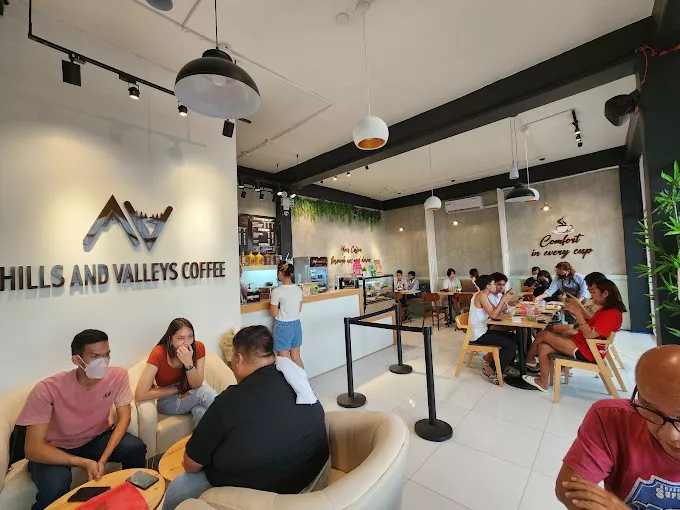
How to Start a Franchise Business in the Philippines (For Franchisees)
Two ways to start a business in the Philippines: build a startup brand or start a franchise business.
Franchising, as the second option, is an all-time high opportunity for many aspiring entrepreneurs in the Philippines, with projected revenue growth rates of 10% to 13% in the next five years.
In this guide, I’ll explain the realities, pros and cons, costs, and steps for starting a franchise business for franchisees.
Pros of Franchising
Let’s look at the upside of franchising a business.
First, it offers a proven profitable system. Compared to starting a business from scratch (a startup brand of your own), where you’ll take the entire burden of making it fly, franchising gives you significant success at the start.
Several business studies show that only one out of ten businesses succeed in the first year of operations. This benefits you as a franchisee, given that you can bank on the success rate of a franchising company.
A tried-and-tested operational system eliminates the guesswork of creating a product, knowing how to do customer service, and tracking product inventories. You can rely on an existing process to ensure you deliver high-quality products, removing high friction if you’re a beginner in the industry.
Another advantage of franchising is brand name recall. Strong branding attracts customers who already trust the franchise. It reduces the effort of franchise owners to build a reputation and ensures a steady flow of new and repeat customers as soon as the store opens.
Lastly, franchising's overlooked advantage is the comprehensive support franchisors can offer their franchisees. These include employee training, mentorship, and ongoing advice and consulting, which equip the franchisee with the knowledge and skills to run their business effectively.
The support covers everything from marketing, operations, HR, finance, and other essential facets of the business.
For instance, our coffee shop franchising at Hills and Valleys Coffee includes everything you need to start your own business.
Cons of Franchising
Like any other option in starting a business, franchising also has disadvantages.
Franchisee fees can be substantial, particularly if you want one from a reputable franchisor. These fees exclude other charges such as royalties, advertising fees, and other recurring expenses. Depending on the franchisor, the monthly amount you pay consists of operational costs for the franchisor to advertise your stores better and conduct store audits to ensure product quality.
You’ll also find yourself strictly following the franchisor’s business model, which means your ability to earn more income highly depends on the next moves of the franchising company. You cannot add new products outside your menu unless the franchisor approves.
Realities of Franchising
One of the best things we’ve done as franchisors is setting and managing expectations with our franchisees. As soon as we talk to them before contract signing, we explain the realities of franchising and what to expect from running a business, especially if they are first-time business owners.
Here are some key factors to consider in franchising.
Location, Location, Location
I can’t stress enough how important location is in a franchise business. Unless you’re doing business online, finding a prime location for your brick-and-mortar store helps you succeed in the first half of the battle.
Most franchise businesses fail not because of the lack of processes or poor product quality but because they chose the wrong location for their store.
Franchising is Not Passive Income
While you’ll be earning money from your business, running a franchise is an active income where you must be hands-on as a franchisee. Do not entirely rely on all the work of your franchisor, as they will only be guiding you toward achieving your business goals.
You should be wholly concerned about every challenge and issue that may arise as you run your franchise. Be hands-on in managing operations, ensuring your staff adheres to protocol rules, and, significantly, ensuring the quality of products based on business processes.
Ensure Collaboration with Franchisor
You should maintain a good working relationship with their franchisor. Treat them like your business partners to create harmony in achieving your business objectives.
Collaboration in franchising requires that franchises attend training sessions, participate in store audits, suggest areas for improvement in marketing campaigns, and provide regular performance updates. These measures can help drive sustainable growth for your franchise.
You can check out these useful guides on why franchising is a smart business solution and why coffee shop is a good business.
How Much Does It Cost to Start a Franchise Business?
Short answer: Starting a franchise in the Philippines can cost as little as Php 300,000 to Php 5 million.
Long answer: Starting a franchise in the Philippines depends on the brand, industry, and location. Entry-level franchises start at around Php 495,000, while mid-tier franchises range from Php 1 million to Php 5 million.
Here’s a breakdown of typical expenses:
- Franchise Fee
This one-time payment grants you the right to operate under the franchisor’s brand and system. Fees vary depending on the franchise but generally include initial training and support. - Equipment and Inventory
Franchisors usually include essential equipment and initial stock in the franchise package. In best franchise packages, you’ll find them giving one month's worth of free supplies like what we have at Hills and Valleys Coffee Franchising - Royalty and Advertising Fees
Some franchisors require monthly royalty payments, often calculated as a percentage of gross sales. Advertising fees may also be required to support nationwide marketing campaigns. - Miscellaneous Costs
These include rental deposits, renovations, and permits. Setting aside 20% to 30% of your budget as a contingency fund for unforeseen expenses and as an allowance for the first two to three months of operations is advisable.
How to Start a Franchise Business in the Philippines (For Franchisees)
Step 1: Do Your Research
Like any business venture and investment, you must thoroughly research. Before committing to a franchise, widen your options by finding franchise packages in industries you’re passionate about or have experience with.
You may want to check out this list of best food franchises in the Philippines.
This would also help you learn more about the business, as you already have some interest in the industry, which is a significant factor in growing your franchise.
You can also research consumer behavior and market trends in your chosen industry to evaluate market demand. The more demand for your desired product/service, the higher the likelihood of achieving franchise success.
List down all potential franchisors or franchising companies.
Quick plug: consider best coffee shop franchises as your option.
Check how many franchise stores they’ve established in their franchise journey. See clients’ testimonials and online reviews. You may even visit existing franchise locations and speak directly with current franchises to gauge franchisor support and satisfaction.
The key here is to establish confidence and information on what franchise packages you’ll potentially want to purchase.
By doing more research, you can avoid the risks of investing in something you don’t know.
Step 2: Create a List of Target Franchisors
You may have done it earlier, but do more due diligence to find reputable ones.
To meet more target franchisors, you can attend franchise expos to meet them personally and compare their offerings in one place. The Philippine Franchise Association (PFA) and Franchise Asia Philippines conduct franchise expos annually.
Of course, it requires a ticket to access, but seeing the exact available franchise options and making a better decision is worthwhile.
You can also visit forums and online communities and ask for reputable franchisees in your chosen industry. Be on the lookout for unbiased recommendations. You can easily discern if someone is hyping the franchise - as if they have been paid to review it. Be cautious when checking online reviews.
Step 3: Think of Possible Locations
As mentioned earlier, choosing the right location wins half the battle in your industry.
You can find a location where you want your franchise to be set up. If you don’t have one yet, you can ask your preferred franchisors if they can assist you with looking for a possible location.
Generally, it is the franchisee's responsibility to find their preferred franchise location. However, it is best to do this beforehand, as the franchisor will ask for it.
Pro Tip: Choose a location with mid to high foot traffic.
Here are some examples of locations of high-traffic areas
- Near or inside office buildings (to target professionals)
- Near schools or colleges
- Near office spaces or government offices.
- Near marketplaces
- Transport hubs
Some would opt-in to rent inside malls but consider the cost associated with it. For instance, one popular mall in the Philippines charges either a fixed monthly rental space or a percentage of your gross monthly sales (whichever is higher). Knowing this helps you be prepared for the monthly overhead cost before making a choice.
Another pro tip is to check the locations of your target franchisee and see if the area (or city) you’re in is still available. Many (if not all) franchisors have exclusive territory agreements, so confirm if your desired location is available.
If someone has already located their franchise store in Lower Bicutan, you can’t have the same store set up 5 to 10 km near it.
Step 4: Inquire About Franchise Packages
You can only learn so much by reading online reviews and visiting the website. The best way to collect more information about franchise packages is to set up a meeting (virtual or face-to-face) to get full information and ask questions about franchise options.
Most franchisors opt for meetings to explain their offerings clearly. Maximize those free consultations or meetings to ask questions and gather details.
Most of what you should be asking falls in any of the following:
- Franchise fees and inclusions
- Monthly royalties and additional charges
- Marketing and operational support
- Potential return on investment (ROI)
There’s no hurt in asking questions, so be sure to have them ready. Here are a few examples of questions to ask franchisors:
- Is my chosen location or city available for the franchise?
- How long has the company been in business?
- How many franchises are operational, and how successful are they? How many have renewed their franchise contracts?
- What is the ongoing support, and what does it look like in real life
- Are there any hidden fees? Or is it just royalties?
- Will you give a discount for the contract renewal once we decide to renew?
- Will there be a change in franchise fees?
- Who will be our contact person for the supply chain? Will there be account managers?
- How long does it take to open the store as soon as we sign the franchise contract?
- Can I co-sign a contract with someone else (i.e., my spouse)?
There are a couple more questions at the top and bottom of this set, but that’s a good place to start to get more details on each franchise package.
Once you’re into the details of choosing your preferred franchise, the next step is:
Step 5: Choose the Best Franchise That Fits You
Trim down your options to two or three franchisors. Narrow even more to just one based on the following factors:
- Package Inclusions: Compare equipment, training, and marketing support across franchises. Which franchise program is giving you more benefits as a franchisee?
- Budget and Resources: Ensure the franchise fits within your financial capacity, including allowances for operational expenses. It is best to set a budget before doing your research.
- Cultural Fit: How’s your conversation with the franchisor? When you start working with them, can you sense or discern that you have a good relationship with the franchisor? Remember this franchisor-franchisee partnership will significantly impact your success.
Step 6: Review the Franchise Agreement Carefully
Once you decide to become a franchisor and apply, you’ll move on to the next step: signing the franchise agreement.
A franchise agreement is a legally binding contract outlining the terms and conditions of the franchise relationship.
Key components to review in this contract include:
- Duration and renewal terms
- Franchise territory exclusivity
- Fees and payment schedules
- Grounds for termination
Consider consulting a lawyer, if you wish to, to ensure you fully understand the agreement before signing. Conversely, you can ask questions to clarify certain terms of the contract.
Prepare your franchise fees (or payment) as soon as you sign the contract. Most franchisors will ask for full payment before the following initiative for franchising.
Step 7: Fully Support The Store Opening
Remember that franchising is not a one-way effort solely for the franchisor. You must work closely with the franchising team to set up and operate the store.
Consistent collaboration is key to succeeding in the franchise business, from interior design and construction to hiring and training your staff.
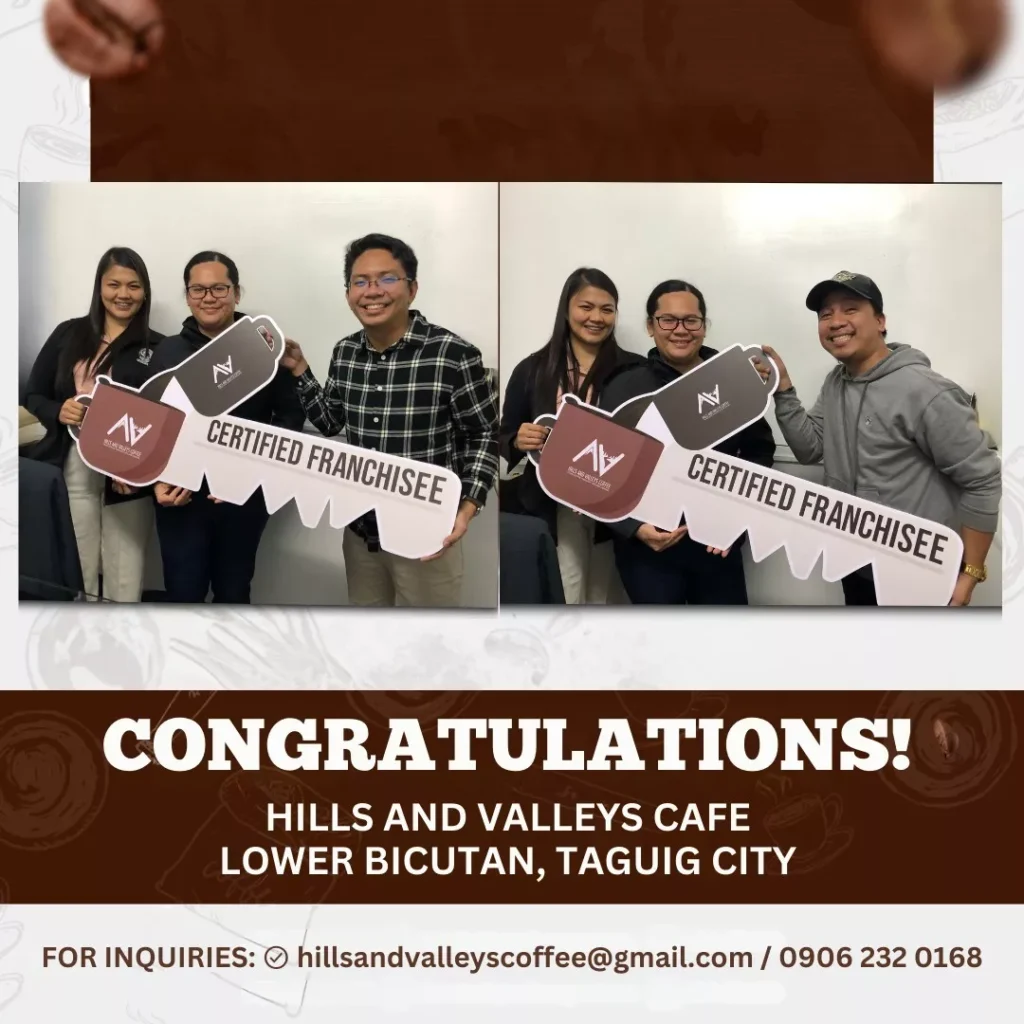
Seize the Opportunity: Build Your Franchise Success
Franchising offers an excellent opportunity for aspiring entrepreneurs to start a business with reduced risks.
By choosing the right franchise, understanding the costs and agreements, and leveraging the franchisor’s support, franchisees can build a successful and sustainable business in the Philippines.