

Last updated: September 2026
The coffee shop business in the Philippines is one of the most in-demand businesses an aspiring entrepreneur can start today. In 2020 there were 2,752 coffee shops in the country. Since then the market has exploded: the top five major brands alone now operate over 2,100 outlets, and the total number of registered cafes nationwide is estimated to have doubled as of 2026.
We are a country of coffee lovers. Nine out of 10 Filipino households consume coffee regularly, making the Philippines the leading coffee consumer in Southeast Asia. Total consumption has reached around 7 million 60-kilogram bags a year, up from 3.3 million bags just a few years ago.
In this guide, we cover why people start a coffee shop, the eight steps to open one in the Philippines, what it costs, franchise vs. your own brand, the permits you need, and the success factors and challenges most guides skip.
Quick Answer: How to Start a Coffee Shop in the Philippines
- Set your budget and pick a model (home-based, cart/kiosk, small cafe, or franchise).
- Decide between a franchise and your own brand.
- Register with DTI or SEC, then secure your barangay clearance, Mayor’s permit, and BIR registration.
- Learn cafe management: hiring, inventory, and bookkeeping.
- Choose a high-foot-traffic location and buy the right equipment.
- Pick your concept and design.
- Plan your sales targets and marketing.
- Set up operations and customer service, then open.
Capital: from about ₱10,000 for a home-based coffee business, to ₱50,000-₱300,000 for a cart or kiosk, to around ₱1,250,000 for a small cafe, plus roughly ₱155,000 a month to operate.
In This Article
- Why start a coffee shop business?
- Step 1: Decide on a budget
- Step 2: Franchise or start your own brand?
- Types of coffee shop businesses
- Step 3: Business permits and legal requirements
- Step 4: Learn cafe management
- Step 5: Choose a location and equipment
- Step 6: Pick your aesthetic and concept
- Step 7: Understand sales and marketing
- Step 8: Cafe operations and customer service
- Per-cup costing and break-even math
- Success factors and challenges
- Common mistakes and why cafes fail
- Frequently asked questions
Why Start a Coffee Shop Business?
Like any business, you start by defining your purpose. Once you know your why, the nitty-gritty of starting a business becomes much easier to learn.
We surveyed aspiring coffee entrepreneurs and franchisees on why they wanted to start. Their answers came down to these reasons:
- Be an entrepreneur — lead a team, make the important calls, and leave a legacy through the business.
- Add another income stream — many owners keep their full-time corporate job and have a team run day-to-day operations.
- Positively impact others — giving people jobs is one of the most meaningful parts of owning a business.
- Unleash your creativity — former baristas especially want a menu of their own, built on their own taste.
- Turn a dream into reality — you’ve tasted great coffee, heard the success stories, and want one of your own.
- Be part of coffee culture — suppliers, roasters, retailers, and baristas meet at conventions and seminars to share best practices and trends.
- Flexibility for your family — once systems and processes are in place, you can grow the cafe and still have time for your loved ones.
Identify your own reason and let it be your source of courage as you grow. Now, the steps.
Step 1: Decide on a Budget
The first capital in any business is financial capital. Knowing your numbers lets you prepare for every expense you’ll incur before opening day.
Start this conversation with yourself if you’re going solo — or with your spouse first if you have a family. How much are you willing to invest? Set the amount and write it down. You may not have it yet, but you can save toward it every month.
| Cost | Typical amount | What it covers |
|---|---|---|
| One-time setup | ~₱1,250,000 | Shop fit-out, equipment, and permits |
| Monthly operating | ~₱155,000 | Rent, utilities, supplies, marketing, and staff |
| Franchise add-ons | Franchise fee + 3–8% royalty | Brand use, systems, training — royalty is on monthly gross sales |
How much capital is needed for a coffee shop?
It depends first on the model you choose. Here’s how the four common starting points compare:
| Model | Startup capital | Monthly costs | Risk |
|---|---|---|---|
| Home-based / online | ₱10,000-₱50,000 | Low – ingredients, packaging, delivery | Lowest – good for testing your menu |
| Cart or kiosk (own brand) | ₱50,000-₱300,000 | Space rental, 1-2 staff, supplies | Low to medium – depends on foot traffic |
| Small cafe (own brand) | ~₱1,250,000 | ~₱155,000 | Medium to high – no proven model |
| Franchise (cart to full store) | From ~₱500,000 for a cart; more for a full store plus construction | Operating costs, plus royalty if the brand charges one | Lower – tested system and support |
If you’re leaning toward the smallest setup, see our coffee cart franchise or this list of food franchises in the Philippines under ₱1 million.
Beyond the model, it depends on whether you start your own brand or franchise an existing one. In most cases, franchising needs a higher budget because of the franchise fees involved. So the next decision is the route: startup or franchise.
Step 2: Franchise or Start Your Own Brand?
Once you’ve set a budget, choose between a coffee shop franchise in the Philippines or your own brand. Both work — they solve different problems. Here’s a quick comparison. (For the full franchising process, read how to start a franchise business in the Philippines, and see the latest coffee franchise trends in the Philippines.)
| Coffee Franchise | Your Own Brand (Startup) | |
|---|---|---|
| Initial investment | Higher — includes franchise fee | Lower — scale it to your budget |
| Ongoing fees | Royalty, often 3–8% of monthly gross sales | None |
| Brand recognition | Built-in from day one | Built from scratch |
| Creative control | Limited — menu and standards set by franchisor | Full — menu, branding, decor, direction |
| Training and support | Operations, barista training, marketing | On you |
| Supplier bargaining power | Network pricing | Built one relationship at a time |
| Risk | Lower — proven, tested model | Higher — no track record to replicate |
Benefits of Coffee Shop Franchising
- Established brand reputation — you benefit from the brand’s recognition in the local market, which makes marketing and daily sales easier.
- Proven business model — the model has been tested in the market, which reduces your risk of failure.
- Training and support — the best franchises offer comprehensive training and ongoing support, so franchisees lead their baristas with confidence.
- Scalable marketing — national and regional campaigns from the franchisor lift sales at every branch.
Drawbacks of Coffee Shop Franchising
- Higher initial investment — franchise fees pay for the trade name, products, and a business model refined over years.
- Royalty fees — some agreements charge 3 to 8% of monthly gross sales. Ask your potential franchisor for the exact figure.
- Limited control — you operate within the franchisor’s standards. In most cases, you can’t add products to the menu on your own.
- Location and territory restrictions — you may be restricted from certain locations so branches don’t compete, though you can agree on the number of branches you want in specific areas.
Benefits of Starting Your Own Coffee Shop
- Creative control — you decide the menu, branding, decor, theme, and where your next branch goes.
- Flexibility — experiment freely with new products, menu items, and marketing strategies.
- Lower initial investment — choose the size and scope that fits your budget.
- Strong customer relationships — build a loyal base through personalized service and a unique atmosphere.
- Higher profit potential — no royalties, and no additional franchise fees for new branches.
Drawbacks of Starting Your Own Coffee Shop
- No brand recognition — you build awareness and a customer base from the ground up.
- Limited support and resources — as a sole proprietor, you’re the only one thinking through operations, marketing, and everything else.
- Higher risk of failure — there’s no proven track record or business model to replicate.
- Limited bargaining power — supplier relationships start from zero, and supply costs can eat into your profits.
- Time-intensive — sourcing suppliers, building a menu, and marketing the brand all take significant time.
Quick Test: Franchise or Startup?
If you want a proven system, training, and marketing support — and you’re fine following someone else’s menu — franchise. If creative control matters more than a head start, and you have the time to build a brand from scratch, start your own. If you’re unsure, the deciding question is usually: do you want to run a coffee shop, or build a coffee brand?
Hills & Valleys: A Coffee Franchise Built for Growing Markets
Proven, profitable system. Affordable yet high-quality coffee beverages that attract and keep a loyal customer following.
Targeted market. We serve the rural and provincial markets that more expensive competitors overlook — while still placing branches in high-traffic areas.
Holistic support. Barista and staff training, marketing for our best-selling products, and ongoing assistance every step of the way.
Flexible packages, no royalty fees. Choose from Deluxe Cart, Fit Out, or full Store packages, depending on your location and capital.

Types of Coffee Shop Businesses
Whether you franchise or build your own brand, pick the format that fits your location, budget, and style.
| Format | What it is | Best for |
|---|---|---|
| Coffee bar, cart, or kiosk | Small, compact, grab-and-go | Fast-moving foot traffic — transit stations, urban corners, where people won’t sit down |
| Coffee store | Traditional cafe with seating, pastries, sandwiches | Owners who want to build a community where customers stay, socialize, and work |
| Drive-thru | Order from the car, no seating needed | Commuter routes — often paired with a dine-in store, as Starbucks, The Coffee Bean and Tea Leaf, and Dunkin’ do |
| Pop-up or mobile | Temporary setups at markets, festivals, events | Testing locations and specialty drinks with the lowest rent |
Step 3: Business Permits and Legal Requirements
Business registration in the Philippines can be complex, so know which documents you need before you start. Here’s the typical sequence.
| Requirement | Who needs it | What it does |
|---|---|---|
| DTI Registration Certificate | Sole proprietors | Authorizes and protects your trade name |
| SEC Articles of Incorporation | Corporations and partnerships | Proves registration under Philippine law (name verification slip, articles of incorporation, and more) |
| Barangay Clearance | All | Certifies compliance with your barangay’s local requirements |
| BIR Registration / Clearance | All | Registers you for taxes; the BIR form depends on your business type |
| Fire Safety Inspection Certificate (FSIC) | All physical stores | Issued by the Bureau of Fire Protection after inspecting your space; usually required for the Mayor’s permit |
| Sanitary Permit | All food businesses | Issued by your city or municipal health office after checking food handling and sanitation |
| Health Certificates | Every food handler, including baristas | Proves each staff member passed the required medical exams |
| Mayor’s (Business) Permit | All | Allows you to operate under city ordinances — issued only after DTI/SEC registration and clearances; renewed every January |
Permit Checklist: What to Prepare
Requirements vary by LGU, so call your city hall’s business permits and licensing office (BPLO) first. Most will ask for:
- DTI certificate or SEC registration
- Lease contract, or land title if you own the space
- Barangay clearance
- Fire safety inspection (BFP) and sanitary inspection
- Health certificates for all staff
- Valid IDs and a sketch or vicinity map of the location
After the Mayor’s permit, register with BIR to get your Certificate of Registration, books of accounts, and official invoices before your first sale.
Also check local zoning and building codes, and make sure you understand your tax obligations before opening. For step-by-step registration guides, see:
- How to register your business with BIR and DTI (Security Bank)
- How to register a corporation (Grit PH)
Step 4: Learn Cafe Management
Cafe management is where you learn to hire and manage people, control inventory, keep the books, and maintain a clean and safe store.
Hiring and Managing Employees
A coffee shop is a service business. Your baristas brew the coffee and serve your customers, so hiring the right people matters more than almost anything else.
Start by setting clear criteria. The Iceberg Model of Competencies is a useful framework: it looks beyond knowledge and skills to social role, self-image, traits, and motives.

Quick Note
Set realistic experience requirements. For both startups and franchises, fresh graduates with no coffee experience can be great hires — skills can be trained; attitude and motives are much harder to teach. Use the list below as the competencies to train toward.
| Competency | What to look for in a barista |
|---|---|
| Knowledge | Brewing techniques and espresso-based drinks; bean types and flavor profiles; bonus for coffee history and culture |
| Skills | Latte art and speed; handling multiple orders at once; managing difficult customers and complaints |
| Social role | Friendly and approachable; works well in a team; can represent your brand and culture |
| Self-image | Calm under pressure; organized during rush hours; positive energy through the whole shift |
| Traits | Detail-oriented; adaptable; takes pride in the work |
| Motives | Passionate about coffee; stays motivated during slow periods; open to feedback and continuous learning |
Franchise owners usually get help with hiring baristas, which lightens the workload of opening.
Inventory Management
Track everything you use to make drinks — coffee beans, milk, syrups, sauces — plus cups, napkins, straws, and stirrers. Keep your own inventory system and records so you never run out mid-rush, and so you can spot waste early. Franchises typically come with the franchisor’s inventory system built in.
Bookkeeping and Accounting
Keep accurate records of sales, expenses, payroll, and taxes. A Point of Sale (POS) system captures every transaction, so you can export your gross sales at the end of each month. At our coffee shop in Bulacan, we use Utak POS, an affordable POS many Philippine coffee shops use.
For expenses, a bookkeeper or accountant can organize receipts and track spending, which frees you to focus on growing the business.
Maintaining a Clean and Safe Environment
- Clean and sanitize all surfaces and equipment regularly — countertops, tables, chairs, and coffee machines.
- Store and handle food properly, and train every staff member in food safety and hygiene.
- Set hand-washing and sanitizing protocols for staff and customers.
- Use single-use items where they reduce contamination risk.
- Keep the shop tidy and welcoming — cleanliness is part of the customer experience.
Step 5: Choose a Location and the Right Equipment
Find a great location and you’ve won half the battle. Stores with medium to high foot traffic simply get more customers than those in out-of-the-way areas.
Best Locations for a Coffee Shop
- Near hospitals, schools, or parks — high, steady foot traffic. Scout the area at different times of day and watch how potential customers move before you sign a lease.
- Inside malls — a steady stream of customers all day, but check the percentage of sales the mall takes, since it directly affects your margin.
Location Checklist
Before you sign a lease, check each of these:
- Foot traffic – count passersby at morning, lunch, and evening peaks, on weekdays and weekends.
- Target customers – students, office workers, families, or commuters? Match them to your menu and prices.
- Nearby competition – how many coffee shops are within walking distance, and what do they charge?
- Visibility and access – can people see your sign from the street? Is there parking or a jeepney/tricycle stop nearby?
- Rent vs. expected sales – including the mall’s share of sales, if any.
- Utilities and permits – enough power for an espresso machine, water supply, and zoning that allows food businesses.
Pro Tip
Don’t compare locations on rent alone. A cheaper spot with half the foot traffic usually costs you more in lost sales than you save on rent. Compare the expected daily customers against the monthly rent (or mall share) for each option.
Equipment and Supplies
If you start from scratch, equipment is one of your biggest investments — and it directly affects the quality of your coffee.
| Equipment | What to know |
|---|---|
| Espresso machine | The heart of an espresso-based menu. Brands to consider: Breville, La Marzocco, Nuova Simonelli, Rocket Espresso. At Hills & Valleys, we prefer espresso machines. |
| Coffee grinder | Grinds beans to the right consistency — as important as the machine itself |
| Brewing equipment | Drip machines, French presses, and other brewers for consistent non-espresso coffee |
| Refrigerators and freezers | For milk, cream, and other perishables |
| Cups, saucers, utensils | Sturdy, high-quality items that survive repeated use |
| Marketing materials | Menu boards, A4 posters, and a graphic designer for daily social media content |
For inspiration on what a good espresso machine makes possible, see this list of Starbucks drinks in the Philippines.
Philippine Coffee Beans
Invest in high-quality beans and ingredients — they’re what keep customers coming back. The Philippines produces four types:
- Arabica — grown in the highlands; mild, fruity flavor and aroma.
- Robusta — grown in lowland areas; strong, bitter, and high in caffeine.
- Excelsa — grown mostly in the south; often described as fruity and smoky.
- Liberica — associated with Batangas; distinctive aroma, often described as nutty and floral.
Many Philippine coffee shops also serve blends that combine beans for a signature flavor profile.
Step 6: Pick Your Coffee Shop Aesthetic and Concept
Your design and theme set the atmosphere. Choose based on what customers in your city or neighborhood actually want — the right concept makes your shop more inviting and shows you care about the experience. For inspiration, browse our list of the best coffee shops in the Philippines. Still naming your cafe? Try our coffee shop name generator.
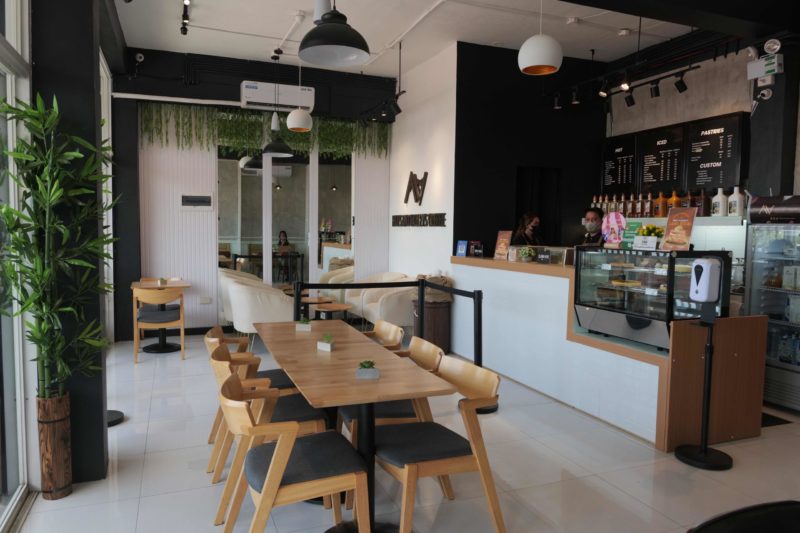
| Concept | Look and feel |
|---|---|
| Minimalist | Clean lines, neutral colors, simple decor — quiet and calming for work or rest |
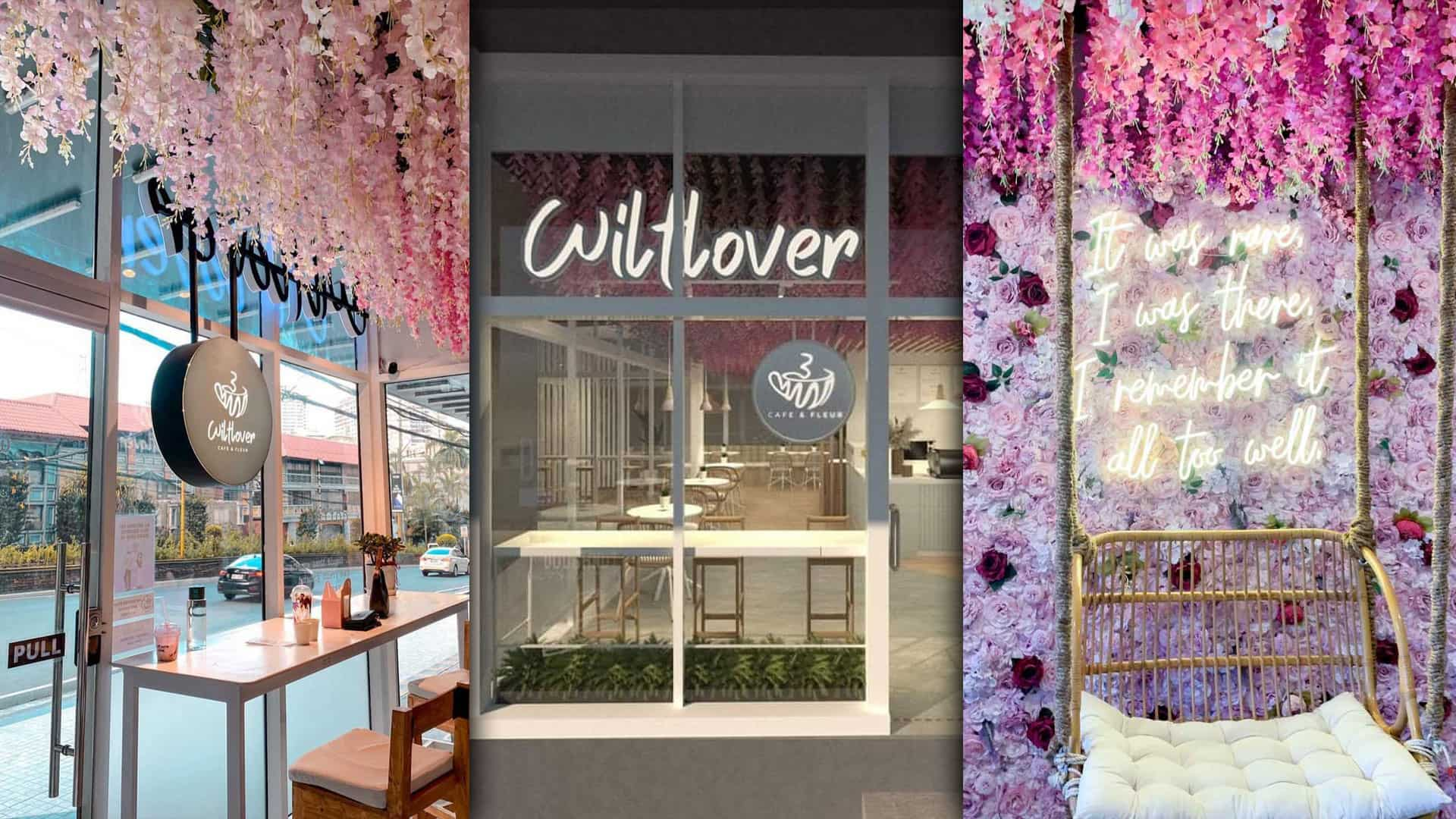
| Korean | Inspired by Seoul cafes — minimalist design, pastel colors, unique food and drinks |
| Rustic | Cozy — wooden furniture, exposed brick, vintage decor |
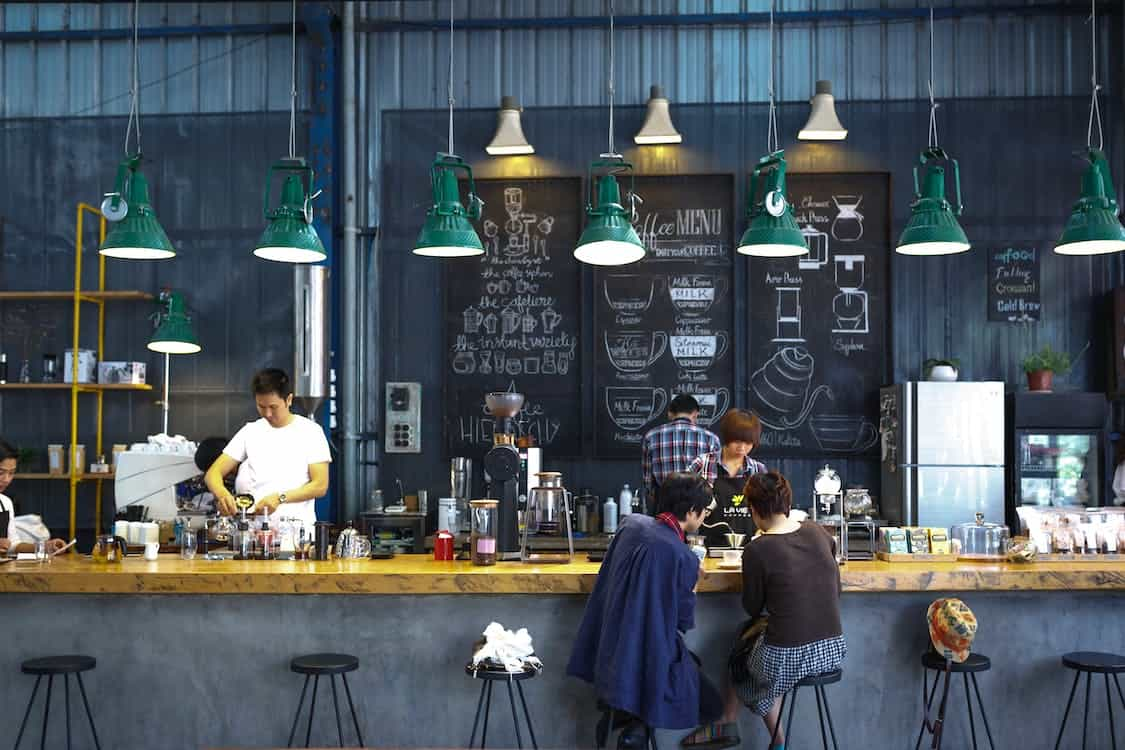
| Industrial | Raw concrete and metal — modern and edgy |
| Boho chic | Bright colors, bold patterns, an eclectic mix of furniture |
| Indoor garden | Plants and natural elements — serene and refreshing |
| Pop culture | Decor and menu items inspired by movies, TV, or music — built for fans |
Step 7: Understand Sales and Marketing
Sales are the lifeblood of a coffee shop, and marketing is what brings new customers through the door. Both matter whether you run a startup or a franchise.
Sales Forecasting
Sales forecasting estimates how much revenue you can expect. Many variables affect sales, but you still need a monthly target. Coffee shops typically forecast with three inputs: customers served per day, average ticket, and days open.
Example Forecast
80 customers a day × ₱140 average ticket × 30 days = ₱336,000 monthly revenue. To get profit, subtract your total expenses: cost of goods sold (COGS), rent, labor, utilities, and other operating costs. Plug in your own numbers — the structure is what matters.
Learn more about forecasting methods:
What Affects Coffee Shop Sales in the Philippines?
- Location — accessible, high-traffic cafes attract more customers.
- Customer demographics — know your target customer and market to them specifically.
- Competition — the more coffee shops nearby, the harder you have to work to stand out.
Marketing Strategies That Work
For a longer list of campaigns you can run through the year, see our coffee shop promotion ideas.
A common misconception is that franchise stores don’t need to market because the franchisor handles it. The franchisor’s campaigns help, but the best franchisees also market their own branch — aligned with the brand’s overall strategy.
- Social media — post on Facebook, Instagram, and TikTok. Hire a freelance designer or use Canva, and write captions that entertain or educate with a clear call to action. Facebook Ads can promote discounts and seasonal campaigns in your area; in the Philippines, a customer message can cost as little as ₱10.
- Loyalty programs — reward repeat purchases with freebies to give customers a reason to come back.
- Live events — live music is one of the most effective cafe marketing trends in the Philippines right now.
- Google Business reviews — set up your Google Business profile, then display an A4 poster with a QR code linking to your review page. Reviews help you appear in local searches like “coffee shop san jose del monte bulacan.”
Step 8: Master Cafe Operations and Customer Service
Cafe operations cover the day-to-day workflow: menu planning and pricing, food safety, workflow, quality control, staff training, and customer experience.
Menu Planning and Pricing
Offer a range of drinks and pastries that match your market’s tastes. Research other Philippine coffee shops and global coffee trends for ideas, and set prices deliberately — pricing directly drives your monthly profit.
Build for Filipino tastes. Sweet, milky iced drinks like Spanish latte and Vietnamese latte sell well, and non-coffee options (matcha, chocolate, frappes) bring in customers who don’t drink coffee. You can see how we structure ours on the Hills & Valleys menu. Here’s a sample menu for reference:
| Coffee | ₱ | Non-Coffee | ₱ | Food | ₱ |
|---|---|---|---|---|---|
| Espresso | 90 | Hot Tea | 80 | Pastry | 60–120 |
| Americano | 120 | Iced Tea | 90 | Cake Slice | 100–150 |
| Cappuccino | 140 | Matcha Latte | 150 | Sandwich | 120–200 |
| Latte | 150 | Chai Latte | 140 | Salad | 150–250 |
| Mocha | 160 | Hot Chocolate | 120 | Pasta Dish | 200–280 |
| Iced Coffee | 120 | Chocolate Drink | 120 | ||
| Cold Brew | 140 | Fruit Smoothie | 180 | ||
| Classic Milkshake | 140 | ||||
| Special Milkshake | 180 | ||||
| Fresh Juice | 100 | ||||
| Bottled Water | 40 |
Food Safety and Sanitation
For any food business, high food safety and sanitation standards are non-negotiable. Learn the relevant regulations and guidelines that protect your customers’ health.
Workflow Optimization
Shorter wait times mean happier customers. Walk through your production area, find what causes delays, and rearrange equipment and furniture if it creates a faster layout.
Quality Control
Every drink should meet the same standard every time — especially once you open more branches. Run regular taste tests of your coffee and other products.
Customer Service and Experience
The coffee shop with the best customer experience wins, because customers who feel well-served come back. Think about ambiance, music, lighting, and overall vibe. Ask customers for feedback directly, and train your baristas to handle complaints with empathy and a clear process for resolving issues quickly.
Per-Cup Costing and Break-Even Math
Before you open, know what each cup costs you and how many cups you need to sell to cover your monthly costs. Here’s a sample for a 16 oz iced latte. Replace every number with your own supplier quotes.
| Ingredient / item | Sample cost per cup |
|---|---|
| Espresso (18 g beans at ~₱1,000/kg) | ₱18 |
| Milk (~200 ml) | ₱20 |
| Syrup or sweetener | ₱5 |
| Cup, lid, straw, sleeve | ₱10 |
| Ice | ₱2 |
| Total cost per cup | ₱55 |
Sell that latte at ₱140 and you keep ₱85 per cup, a cost of goods of about 39%. That ₱85 is what pays your rent, staff, and utilities.
Break-Even Example
Monthly operating costs of ₱155,000 ÷ ₱85 kept per cup = about 1,824 cups a month, or roughly 61 cups a day over 30 days. Every cup beyond that is profit. If your location can’t realistically deliver that daily volume, lower your costs or rethink the location before you sign the lease.
Coffee Shop Success Factors and Challenges
What Makes a Cafe Successful?
- Quality of products and service — good ingredients, good equipment, and well-trained staff.
- Atmosphere and ambiance — decor, lighting, music, and seating that make people want to stay and return.
- Location and accessibility — high foot traffic that matches your target customer.
- A strong customer base — built through loyalty programs, live events, and social media.
Challenges Coffee Shop Owners Face
- High competition — high demand means new shops keep opening, so you need a clear point of difference.
- Rising ingredient costs — beans and milk prices fluctuate with inflation. Review costs regularly and adjust prices to stay profitable.
- Customer retention — more options mean less loyalty by default. Experience and consistent marketing keep people coming back.
- Employee turnover — hiring and training are resource-intensive, so retaining good staff directly cuts costs.
Three Signs Your Cafe Needs a Rethink
Your regulars stop coming back after the first month. Your staff changes every few months. Your ingredient costs have risen but your menu prices haven’t. Any of these means the problem is in the system, not the season — and more marketing alone won’t fix it.
To map these against your own cafe, try a SWOT analysis for your coffee shop.
Common Mistakes and Why Cafes Fail
Most cafes that close early don’t fail because of bad coffee. They fail because of avoidable planning mistakes:
- No cash reserve – spending the whole budget on fit-out and leaving nothing for the first slow months. Keep at least three to six months of operating costs set aside.
- Choosing a location on rent alone – a cheap space with little foot traffic can’t reach break-even volume.
- Pricing without costing – setting prices by copying competitors instead of computing your cost per cup.
- Copying big chains – competing with Starbucks on their terms instead of serving your local market better and at a better price.
- Too big a menu – more items mean more inventory, more waste, and slower service.
- Skipping permits – operating without complete permits risks fines or a closure order.
- Weak staff training – inconsistent drinks lose regulars faster than anything else.
- No marketing after opening week – customers forget quickly unless you keep giving them a reason to return.
Coffee Shop Philippines: Frequently Asked Questions
How much does it cost to open a coffee shop in the Philippines?
Around ₱1,250,000 for the shop setup, equipment, and permits, plus about ₱155,000 a month for rent, utilities, supplies, marketing, and staff.
Should I franchise or start my own coffee brand?
Franchise if you want a proven system, training, and marketing support. Start your own brand if creative control matters more and you have time to build a brand from scratch. See the franchise vs. startup comparison above.
How many cups a day does a coffee shop need to sell to break even?
With ₱155,000 in monthly costs and about ₱85 kept per cup, roughly 61 cups a day. Your number depends on your rent, staff, and per-cup cost. See the break-even math above.
Can I start a coffee business from home?
Yes. A home-based or online coffee business can start from around ₱10,000-₱50,000 for a machine or brewer, ingredients, and packaging. You still need to register with DTI and your barangay, and get a Mayor’s permit and BIR registration.
How do I start a small coffee shop business on a low budget?
Plan expenses carefully, choose a strategic location, and consider a specialty coffee or unique blend to stand out. Save on furniture and equipment, lean on social media marketing, and build relationships with local suppliers to reduce costs.
Is a coffee shop a profitable business?
Yes. Most coffee shops start generating profit within the first few years, with sales expected to double by year five. The key is managing startup costs, keeping a contingency fund, and closely monitoring operating costs in year one.
What qualifications do you need to run a cafe?
None are required in the Philippines. Training, seminars, workshops, and certifications in food and beverage still help a lot.
Is owning a coffee shop stressful?
It can be, especially starting from scratch. With careful planning and proper execution, many owners find it rewarding and fulfilling.
What percentage of cafes fail?
Some studies show up to 60% of cafes fail within the first year — which is why planning, management, and market research matter so much before you open.
Can I run a cafe with no experience?
Yes, but experience or a business background helps you avoid early mistakes. A franchise with training and support is one way to close that gap.
What does a small cafe need?
An espresso machine and grinder, a menu, a point-of-sale system, and the business permits and licenses to operate legally.
Do coffee shop owners make money?
They can, depending on location, competition, pricing, and management. Careful planning and cost control make the difference.
Keep Reading
- Coffee shop franchise in the Philippines — packages, inclusions, and how franchising with us works.
- Coffee cart franchise Philippines — the lowest-capital way to start with a proven brand.
- How to start a franchise business in the Philippines — the franchising process, step by step.
- Coffee shop promotion ideas — campaigns to run after opening week.
- SWOT analysis of a coffee shop — map your strengths, weaknesses, and threats.
- Starbucks drinks in the Philippines — menu inspiration for espresso-based drinks.
- Hills & Valleys Coffee — visit our coffee shop in Bulacan.
